Pride Alternatives: LGBTQ Destinations With Year-Round Queer Community
Pride matters. It always will.
Pride is history, visibility, resistance, joy, and a reminder that we are here — loudly, unapologetically, and together. For many of us, Pride weekend is a lifeline. It’s where we first felt seen. It’s where we learned we weren’t alone.
But it’s also okay if Pride doesn’t feel like the right fit for you right now.
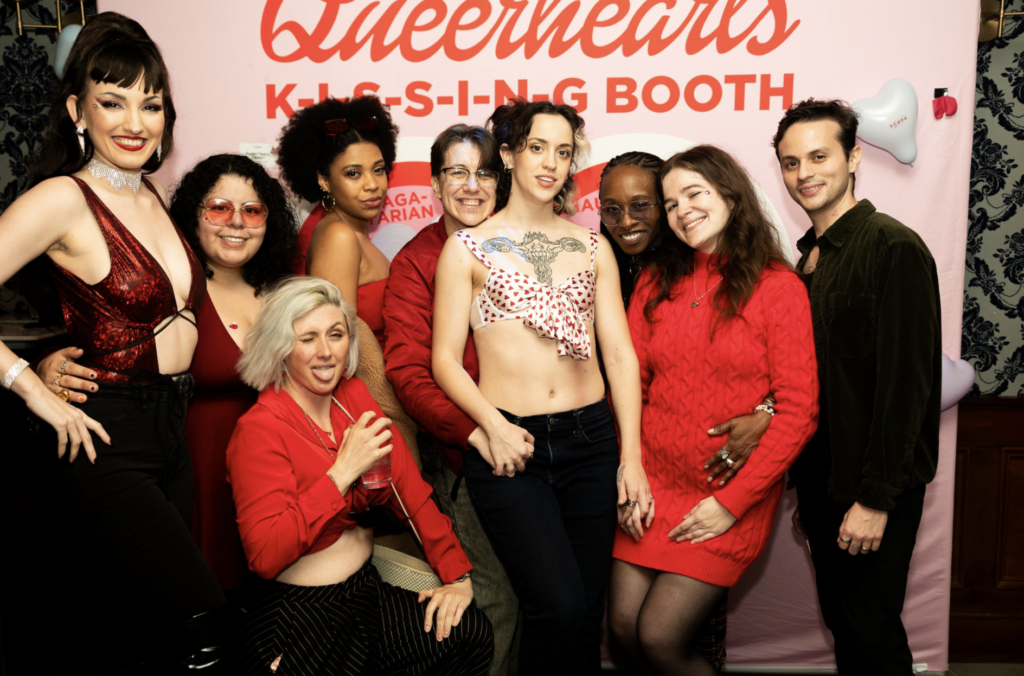
Crowds. Heat. Drinking culture. Sensory overload. The pressure to show up a certain way. For a lot of queer people — especially queer women, trans and nonbinary folks, sober travelers, introverts, or anyone craving a different way to connect — Pride can feel more exhausting than affirming.
This guide is for the people who still want queer community, just not necessarily in the form of a big pride weekend.
These are Pride alternatives — destinations where LGBTQ life exists year-round, where queer people gather regularly, and where community doesn’t disappear once the rainbow flags come down. Places where you can travel, connect, and feel part of something — without needing to plan your trip around a single weekend.
This isn’t about avoiding Pride.
It’s about expanding what queer travel can look like.
What Makes a Place a Pride Alternative
This list isn’t about “LGBTQ-friendly” in the broadest sense.
Safety matters. Legal protections matter. But those are the baseline — not the reason these places are here.
A destination makes this list because queer life actually happens there, in ways you can feel as a visitor.

That might look like:
- lesbian or queer bars that are open and active all year
- queer-owned cafes, bookstores, and community spaces
- women’s sports culture that draws queer crowds
- recurring queer nights or standing social rituals
- neighborhoods where queerness is visible beyond Pride flags in June
In other words: places where queerness is integrated, not staged.
You don’t need perfect timing. You don’t need insider access. You don’t need to arrive during a festival. You can show up on a random week in April or October and still find a connection.
Seattle, Washington
Seattle’s queer community has deep roots, and you can feel that history in the way it shows up day to day, not just during Pride weekend.
For lesbian and queer women travelers, Wildrose is a cornerstone. It’s one of the longest-running lesbian bars in the country, and it still functions as a true community space rather than a novelty. It’s the kind of place where regulars mix easily with visitors, and where queerness feels assumed rather than announced.
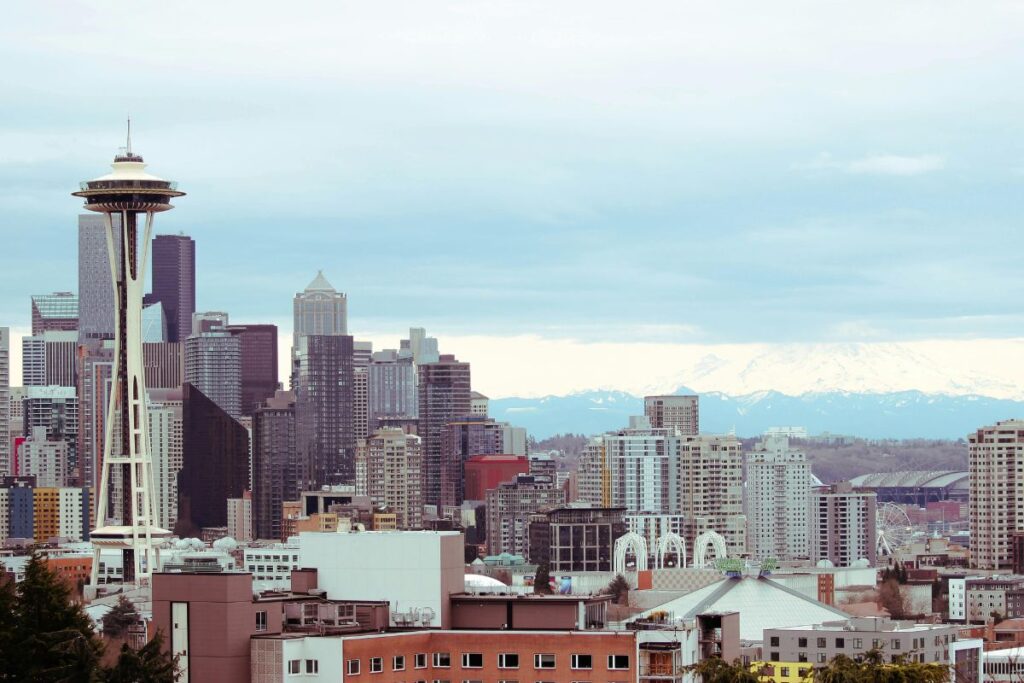
If you’re choosing where to stay, Capitol Hill is the heart of Seattle’s LGBTQ community. It’s walkable, social, and layered with queer life from bars and cafes to bookstores, music venues, and long-standing community spaces. Staying here makes it easy to feel connected without planning your entire trip around nightlife.
Seattle is also a standout Pride alternative because queer community here isn’t limited to bars. Women’s sports are a huge part of the social fabric. Rough & Tumble Pub and Pitch the Baby draw queer crowds year-round, especially during games for the Seattle Storm and Seattle Reign. Watching women’s sports here feels less like an event and more like a standing weekly plan — which makes it an easy way to slip into community without the pressure of a big party scene.
There’s also no shortage of LGBTQ-owned businesses across the city, from coffee shops and boutiques to service-based businesses and creatives. Seattle’s queer economy is active and visible year-round, and supporting it often becomes part of the experience rather than a separate itinerary item.
For accommodations, Seattle has several LGBTQ Travel Proud–certified options on Booking.com that make staying in or near the community straightforward, including Moxy Seattle Downtown, citizenM Seattle Pioneer Square, and Graduate by Hilton Seattle.
Seattle works as a Pride alternative because queer life here doesn’t hinge on spectacle. Community forms through shared interests, neighborhood routines, and places people return to again and again. You don’t need to arrive during a specific weekend to feel like you belong — you just need to show up.
Best for: travelers who want a grounded queer community, women’s sports culture, and connection without crowds
When to go: summer and early fall, when the city feels most open and social
Washington, DC
Washington, DC, isn’t always the first city people think of for queer travel — which is exactly why it works so well as a Pride alternative.
Queer life here doesn’t revolve around one weekend or one neighborhood takeover. Instead, it shows up steadily through lesbian bars, bookstores, cafes, and community spaces that are deeply woven into the city’s cultural and political fabric. The result is a queer scene that feels local, intentional, and surprisingly easy to tap into if you know where to look.
For lesbian and queer women travelers, A League of Her Own is essential. It’s one of the most beloved lesbian bars in the country and a true anchor for DC’s queer women’s community. The energy is social without being overwhelming, and it’s the kind of place where conversations carry just as much weight as the dance floor.
Just as important is As You Are, a hybrid cafe, bar, and dance boutique that perfectly reflects DC’s queer culture. It’s relaxed, welcoming, and intentionally inclusive — a space that encourages you to show up exactly as you are, whether that means coffee with friends, an early evening hang, or a low-pressure night out where meeting people feels natural.
DC’s queer community also tends to form around shared values. Activism, mutual care, and cultural engagement are part of the social glue here, which gives the city a different rhythm than nightlife-first destinations. Queer connection often happens through conversation, community organizing, readings, and repeat gatherings — not just parties.
When it comes to where to stay, DC has several LGBTQ Travel Proud–certified hotels that make it easy to stay close to the action while supporting inclusive hospitality. Solid options include Viceroy Washington DC, Arlo Washington DC, Canopy by Hilton Washington DC, and Kimpton George Hotel.
DC earns its place as a Pride alternative because queer community here isn’t loud — it’s consistent. You don’t need a parade to feel connected. You just need a few good spaces, a little curiosity, and the willingness to slow down enough to let community find you.
Best for: travelers drawn to activism-rooted queer culture, conversation-forward spaces, and community beyond nightlife
When to go: spring and fall, when the city feels social, walkable, and alive
Mexico City, Mexico
Mexico City is one of those places where queer community doesn’t feel scheduled — it feels embedded.
Queer life here exists year-round and shows up through neighborhoods, nightlife, art, and everyday social culture rather than hinging on a single Pride weekend. You don’t need to arrive during Pride to find connection. In fact, many travelers find the city feels most alive and social when nothing “official” is happening at all.
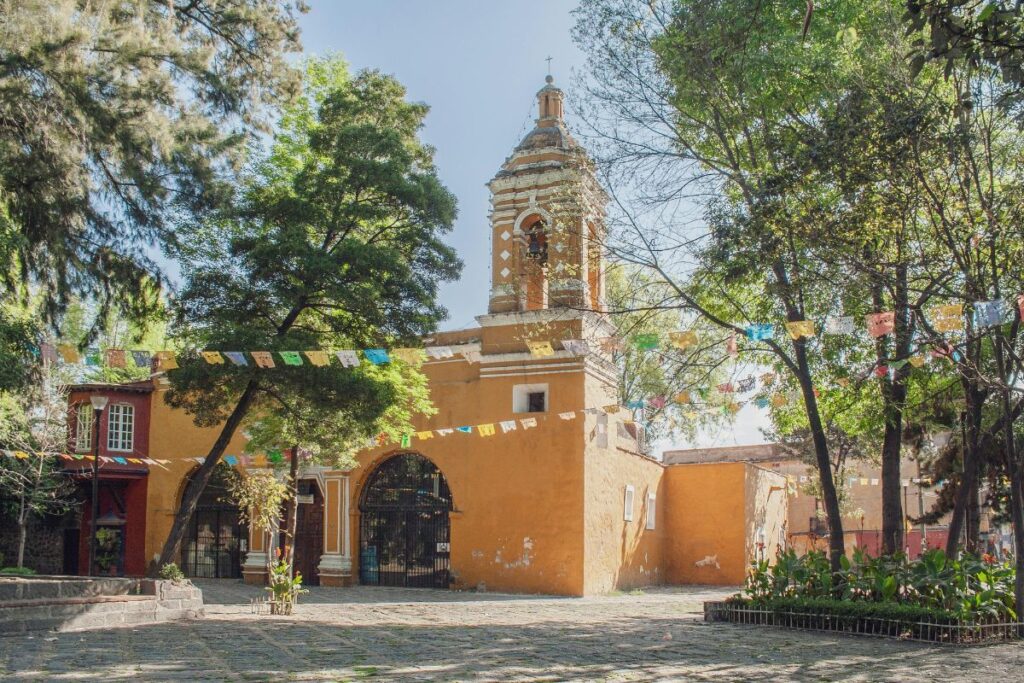
For LGBTQ travelers, Zona Rosa is the heart of the community. It’s the neighborhood most closely associated with LGBTQ life in the city, home to a high concentration of queer bars, clubs, and social spaces that operate year-round. Staying nearby makes it easy to move through the city while still having queer community within walking distance — especially helpful if you’re visiting solo or for the first time.
Mexico City also stands out as a Pride alternative because queer visibility here doesn’t rely on spectacle. Lesbian and queer women’s spaces exist, but community often forms more fluidly — through recurring nights, mixed queer venues, and social overlap rather than one marquee bar everyone funnels into. Friends bring friends. Conversations stretch late. You’re as likely to connect over a shared table or a casual night out as you are at a formal event.
From a travel standpoint, the city is also notably accessible. There are more than 200 LGBTQ Travel Proud–certified hotels across Mexico City, giving travelers a wide range of inclusive options at different price points and in multiple neighborhoods. That breadth makes it easier to prioritize comfort, location, and budget without sacrificing a sense of safety or welcome.
What ultimately makes Mexico City a Pride alternative isn’t just the size of the queer scene, it’s how naturally queerness fits into daily life. Museums, cafes, markets, and neighborhood streets are social spaces, and queer visibility often feels confident and casual rather than staged. For many travelers, that creates a deeper sense of belonging than a single high-energy weekend ever could.
Best for: travelers who want an organic queer community, long dinners, social overlap, and connections that feels unforced
When to go: spring and fall, when the city feels most comfortable and community life is especially active.
Why These Places Feel Different
By now, you’ve probably noticed a pattern.
None of these places rely on a single weekend or a parade route to feel queer. Community shows up in everyday ways, through lesbian bars that are actually open year-round, queer-owned cafes that double as meeting points, women’s sports culture, bookstores, beaches, neighborhoods, and standing social rituals.
These destinations weren’t chosen because they’re “LGBTQ-friendly” in the abstract. They’re here because queer life happens in them, even when nothing special is scheduled.
That’s what we mean by Pride alternatives.

Not places that replace Pride, but places where connection doesn’t disappear when Pride is over. Where you can show up on a random Tuesday and still feel the presence of queer community without needing perfect timing or insider access.
For some travelers, that’s what belonging looks like.
Montreal, Canada
Montreal has one of the most quietly solid queer communities in North America the kind of scene that doesn’t need a highlight reel to feel alive.
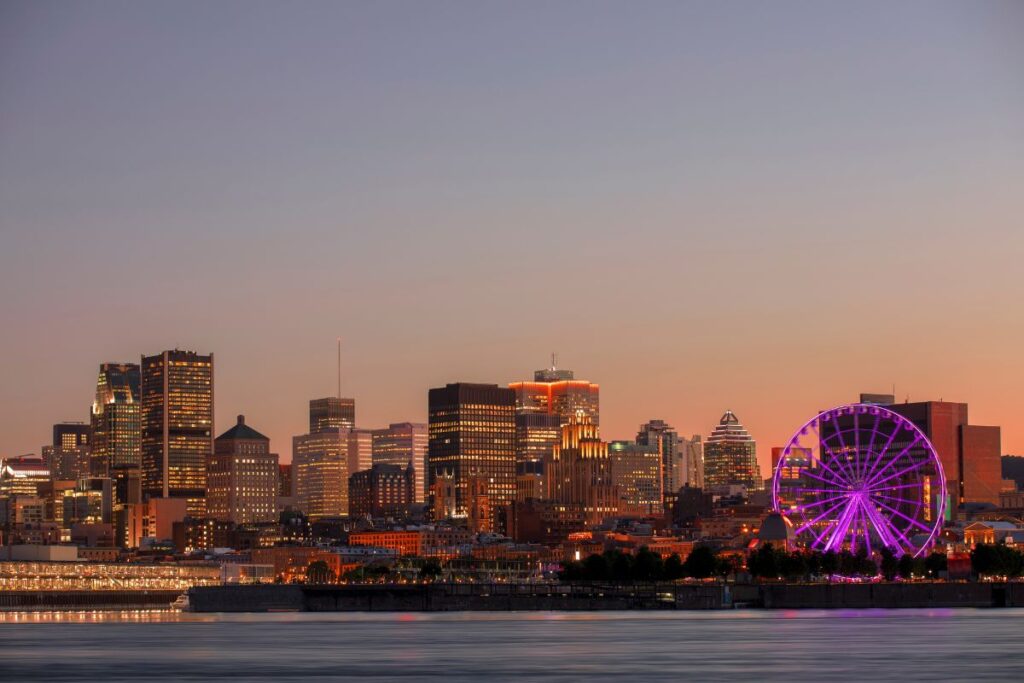
Queer life here exists year-round and is deeply linked to neighborhood culture, language, and everyday social rhythms. You don’t have to time your visit around Pride to feel connected in fact, Montreal often feels most social when nothing headline is happening and people are gathering simply because they want to.
Much of the city’s LGBTQ life centers around Le Village, but queer community extends well beyond it. Neighborhoods like Plateau‑Mont‑Royal and Mile End are full of cafes, bars, bookstores, and creative spaces where queerness lives comfortably in the rhythm of daily life.
For lesbian and queer women travelers, sports are a meaningful way to connect. Montreal is home to the Montreal Victoire, and women’s hockey culture here is strong, social, and genuinely woven into the city’s identity. Following a game or catching fans at a queer-friendly spot after a match is a great way to meet people without the frenzy of nightlife.
One of the lovely things about Montreal is how queer community spills into regular places, not just bars. There are queer-owned and queer-friendly spots across the city where locals hang out, meet up, and create community. A great list of these places, from cafes and bookstores to creative studios, galleries, and food purveyors, can be found in the Taste T guide to great queer-owned and queer-friendly addresses in Montreal. That kind of everyday ecosystem not just LGBTQ nightlife is the heart of queer social life here.
When it comes to where to stay, Montreal also has excellent options that make visitors feel seen and comfortable. A few LGBTQ Travel Proud–certified hotels to check out include W Montreal, Hôtel Birks Montréal, and Hyatt Place Montreal all centrally located and great home bases for exploring queer life in the city.
What makes Montreal a Pride alternative is this: queer community doesn’t depend on a marquee event to exist. It’s present in the everyday, in neighborhoods, in shared interests, in recurring social spaces — and that makes the city feel welcoming without being overwhelming.
Best for: culture-forward travelers, women’s sports fans, people who enjoy conversational queer spaces
When to go: late spring through early fall, when the city is walkable and lively
Toronto, Canada
Toronto’s queer community is big, layered, and lived — the kind that doesn’t wait for a festival or parade to feel real.
Here, queer life is woven into the city’s neighborhoods, sports culture, nightlife rhythms, and creative spaces in a way that feels habitual rather than headline-chasing. You don’t need to time your trip around Pride to find community — it’s already there, showing up week after week.
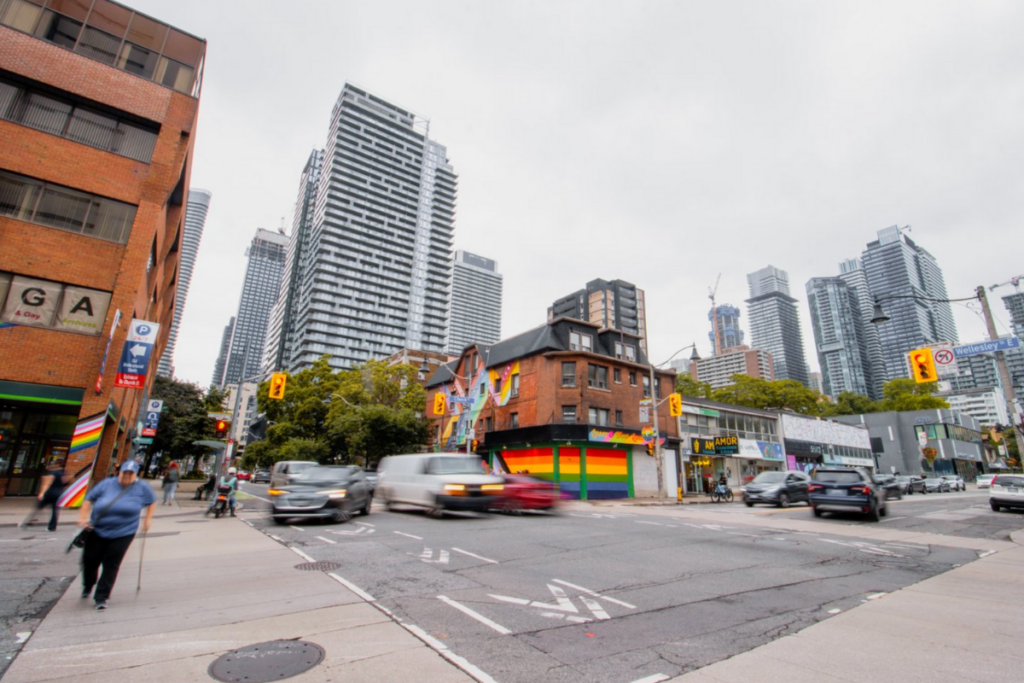
Much of the city’s LGBTQ life has long centered around Church-Wellesley Village, with queer-friendly cafes, bars, and social spaces that host recurring gatherings and familiar faces. But community extends well beyond that core. Areas like Parkdale and West Queen West have creative energy, lived-in queer culture, and spaces where queer women and nonbinary folks intersect with art, performance, and everyday life.
If you want a deeper dive into queer social spaces here, EveryQueer’s Lesbian Bars in Toronto article is a great companion; it breaks down the city’s lesbian-focused nightlife in a way that makes planning easy rather than overwhelming.
Women’s sports play a real role in Toronto’s queer social life. The city is home to the Toronto Sceptres and are set to welcome a Toronto Tempo, creating even more opportunities for queer women and allies to gather around games, watch parties, and shared fandom outside of traditional nightlife spaces.
Toronto works as a Pride alternative because queer community here isn’t concentrated into one moment. It’s built through recurring nights, shared interests, sports culture, and neighborhoods where queerness is part of the everyday — not something reserved for a single weekend.
For a broader look at what queer travel feels like in Toronto beyond bars — including food, art, and community — check out EveryQueer’s Queer Toronto Itinerary: Food, Art & LGBTQ Community. It’s a great way to see how this city feels when you wander, eat, and connect at your own pace.
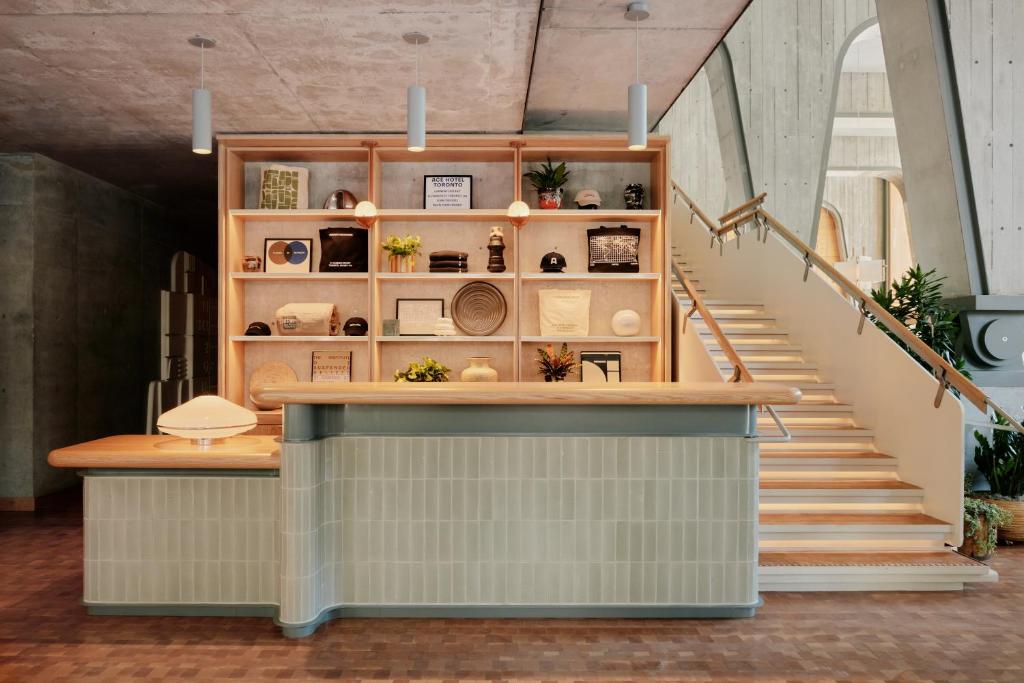
When it comes to where to stay, Toronto has several LGBTQ Travel Proud–certified hotels that make it easy to feel comfortable while staying close to the city’s queer neighborhoods and cultural life. Standout options include The Anndore House, Ace Hotel Toronto, and 1 Hotel Toronto.
Best for: travelers who love layered queer scenes, women’s sports culture, and community that grows out of neighborhood life
When to go: late spring through early fall, when the city feels most social and open
New York City (especially Brooklyn)
New York City has one of the most layered, visible, and enduring queer communities in the world — and it exists far beyond Pride weekend.
Queer life here shows up daily. In lesbian bars that function like neighborhood living rooms. In women’s sports watch parties that feel like standing plans. In bookstores, cafes, performance spaces, and pop-ups where queer people don’t need an invitation — they’re already assumed. Especially in Brooklyn, queer community feels lived-in rather than scheduled.
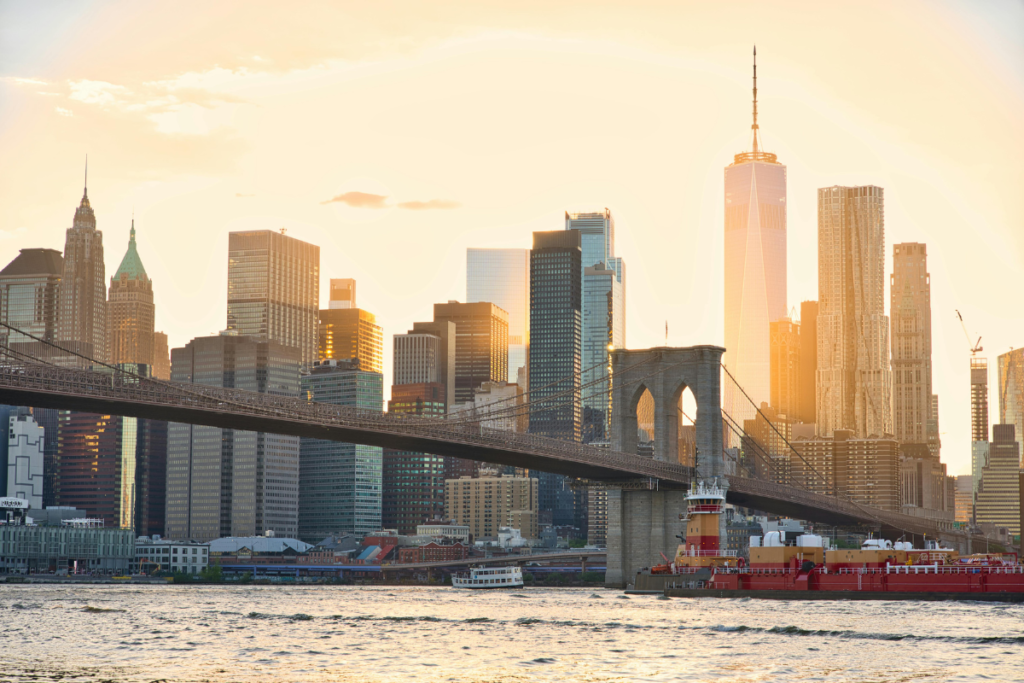
What makes New York a true Pride alternative isn’t scale — it’s density. There are simply so many overlapping queer spaces and scenes that belonging doesn’t hinge on one weekend a year. You can visit in February or October and still feel surrounded by queer life.
If nightlife isn’t your thing, New York still delivers. EveryQueer has rounded up queer things to do in NYC that don’t revolve around bars — from cultural experiences to community-forward outings that make connection feel natural and low-pressure. It’s a reminder that queer life here is just as present during the day as it is at night.
For travelers looking specifically for lesbian and queer women–centered spaces, NYC has one of the most robust scenes anywhere. Our guide to the very best queer events and lesbian bars in NYC maps out where community actually gathers — not just what’s famous, but what people return to week after week. Much of this energy lives in Brooklyn, where queer women’s nightlife, pop-ups, and social spaces continue to thrive.
New York also shines as a Pride alternative because queer community here isn’t dependent on spectacle. Pride is powerful and meaningful — but it’s not the only time queerness is visible. Community exists year-round, through relationships, routines, and spaces that hold people beyond a single celebration.
That said, if Pride is something you want to experience — especially in a way that feels intentional and grounded — EveryQueer hosts a NYC Pride group trip designed to offer a local, queer-centered perspective on the weekend. It’s a way to engage with Pride without getting lost in it, while still having built-in community and context. You can learn more about that experience here.
For a more structured look at the city during Pride season, our NYC three-day Pride itinerary offers a thoughtful way to navigate the weekend without burning out, whether you’re visiting for the first time or returning with a clearer sense of what you want.
Ultimately, New York earns its place on this list because queer life here doesn’t wait to be activated. It’s already happening, in neighborhoods, friendships, and shared rituals, and visitors are invited into it simply by showing up.
Best for: travelers who want abundant queer community, lesbian-forward spaces, and multiple ways to connect beyond nightlife
When to go: spring and fall, when the city feels social, walkable, and less overwhelming
Madrid, Spain
Madrid’s queer community is social, visible, and deeply woven into daily life — not something that switches on for Pride and disappears afterward.
Queer life here happens late, often, and with intention. Community forms through repeat nights, familiar faces, and spaces people return to week after week. You don’t need to plan your trip around a major event to find connection. In Madrid, queer social life is simply part of how the city works.
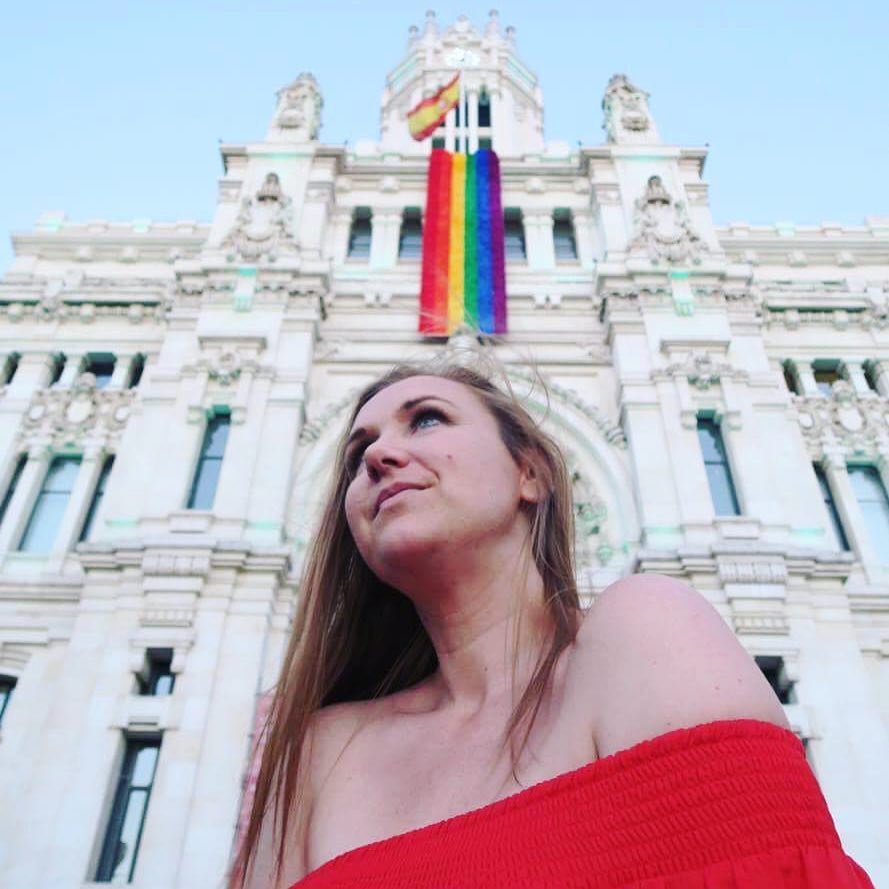
The heart of LGBTQ life is Chueca, a neighborhood where queer presence is obvious year-round. Cafes, bars, bookstores, and late-night spots sit side by side, and queerness feels normalized rather than performative. Staying nearby makes it easy to move through the city while still feeling anchored in community.
For lesbian and queer women travelers, Fulanita de Tal is a longtime staple. It’s more than a bar, it’s a social hub where locals and visitors mix easily, conversations linger, and community feels genuinely shared. Even if nightlife isn’t usually your thing, this is the kind of place that feels approachable rather than intimidating.
Madrid also works as a Pride alternative because queer connection here isn’t limited to bars. Long dinners stretch late, friendships overlap across social circles, and queerness shows up in everyday routines. The city’s pace encourages lingering at tables, on sidewalks, and in conversation, which naturally creates space for connection without the pressure of a big, high-energy event.
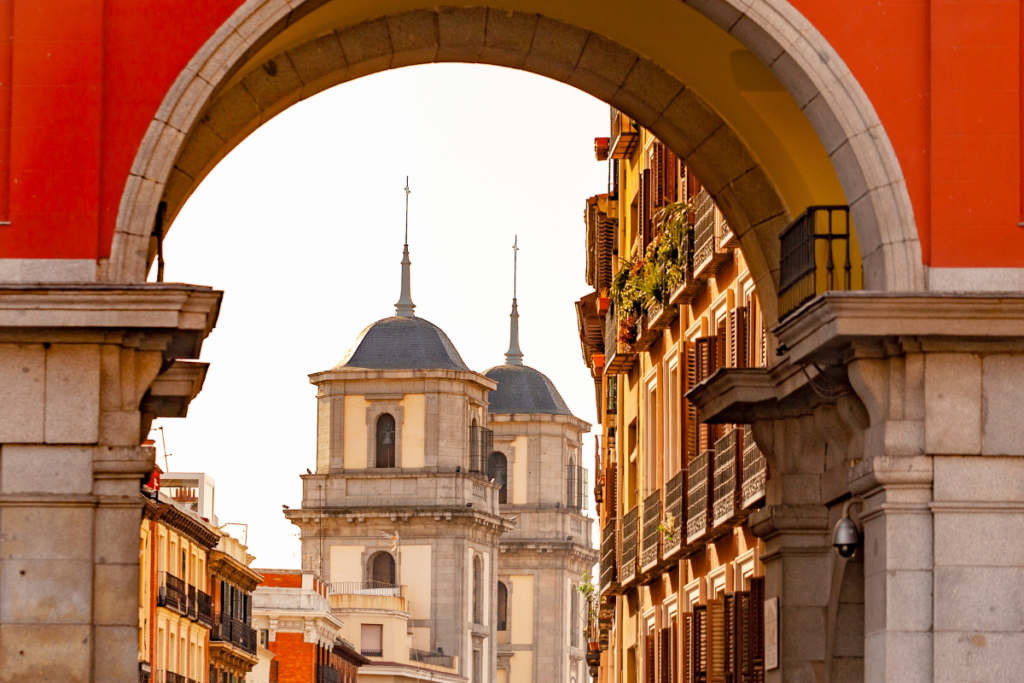
Women’s sports add another layer to queer visibility in Madrid, particularly football culture. Teams like Real Madrid Femenino and Atlético Madrid Femenino have strong local followings, and game days are another way queer women and allies find community outside of traditional nightlife settings.
From a practical travel standpoint, Madrid is also one of the easiest European cities for LGBTQ travelers to navigate comfortably. There are nearly 200 LGBTQ Travel Proud–certified hotels available on Booking.com alone, offering a wide range of inclusive options across neighborhoods and budgets. That flexibility makes it easy to choose a place to stay based on location and style without sacrificing a sense of welcome.
If you want to explore more of what queer travel in Madrid looks like, from neighborhoods to nightlife to community context, EveryQueer has additional coverage collected in our Madrid travel tag, which is a great place to dive deeper while planning.
Madrid earns its place on this list because queer life here doesn’t feel symbolic or scheduled. It’s social, habitual, and woven into how people live, which makes it easy to step into, even if you’re only in town for a short time.
Best for: travelers who want visible queer life, social culture, and connection that feels easy and unforced
When to go: spring and fall, when the city is lively without being overwhelming
Barcelona, Spain
Barcelona’s queer community is woven into the rhythm of the city’s social, visible and present year-round, not just during Pride.
Queer life here doesn’t hinge on one weekend or one neighborhood takeover. It shows up through nightlife, beach culture, women’s sports, and everyday social rhythms that make it easy to connect without planning your entire trip around a marquee event. Pride exists and matters, but it’s not the only time queerness comes alive in this city.
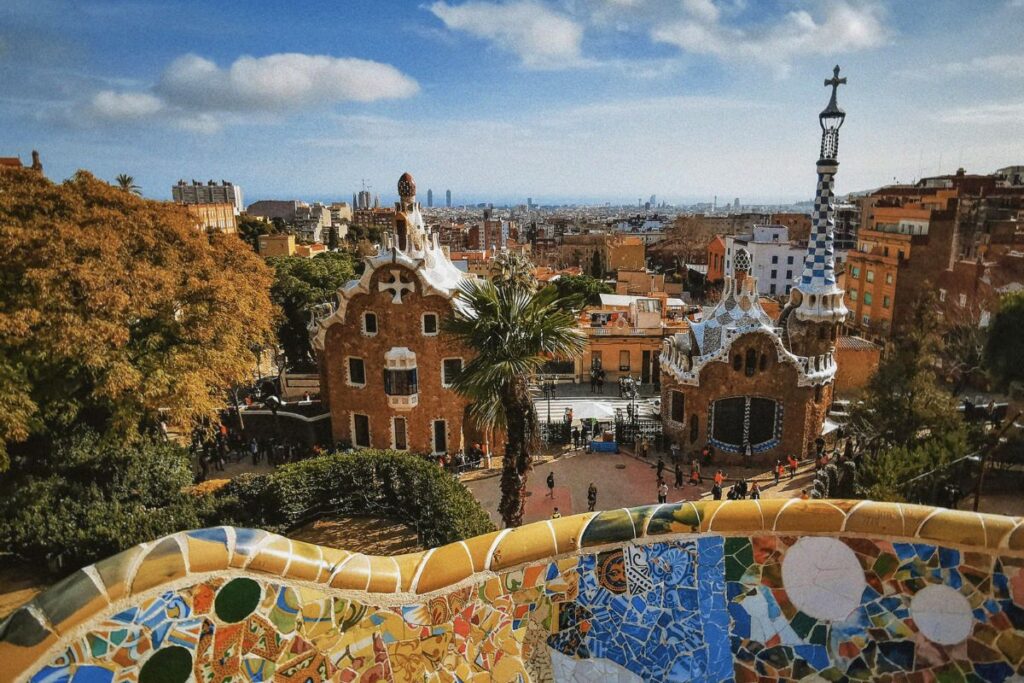
Much of Barcelona’s LGBTQ life centers around Eixample, often called “Gaixample,” where queer presence feels integrated into daily life. Cafes, bars, and social spaces are sprinkled throughout the district, and the community doesn’t disappear when the sun goes down.
For lesbian and queer women travelers, there are tangible anchors that make community feel both grounded and social. Aire Chicas Lesbian Club, tucked into the Gaixample district, is a go-to nightlife space for queer women — a place to meet, dance, and connect without the pressure of a scene-y vibe. Alongside it, Candy Darling remains a longstanding social hub where people return again and again.
Women’s sports add another meaningful layer of visibility. FC Barcelona Femení isn’t just one of the most successful women’s teams in the world — it’s also home to multiple openly queer athletes. That visibility matters, and game days naturally create community-forward watch parties and social gatherings beyond traditional nightlife.
Barcelona also works as a Pride alternative because queer visibility extends well beyond clubs and bars. Beach days, long dinners, neighborhood strolls, and shared tables all become social spaces. Queerness feels integrated into how people live and play, rather than confined to a single moment.
From a practical standpoint, Barcelona is easy to navigate comfortably. There are many LGBTQ Travel Proud–certified hotels across the city, making it simple to choose inclusive accommodations based on location and style. A few solid options include Catalonia Catedral, INNSiDE by Meliá Barcelona Apolo, and Hotel Barcelona Condal Mar Affiliated by Meliá.
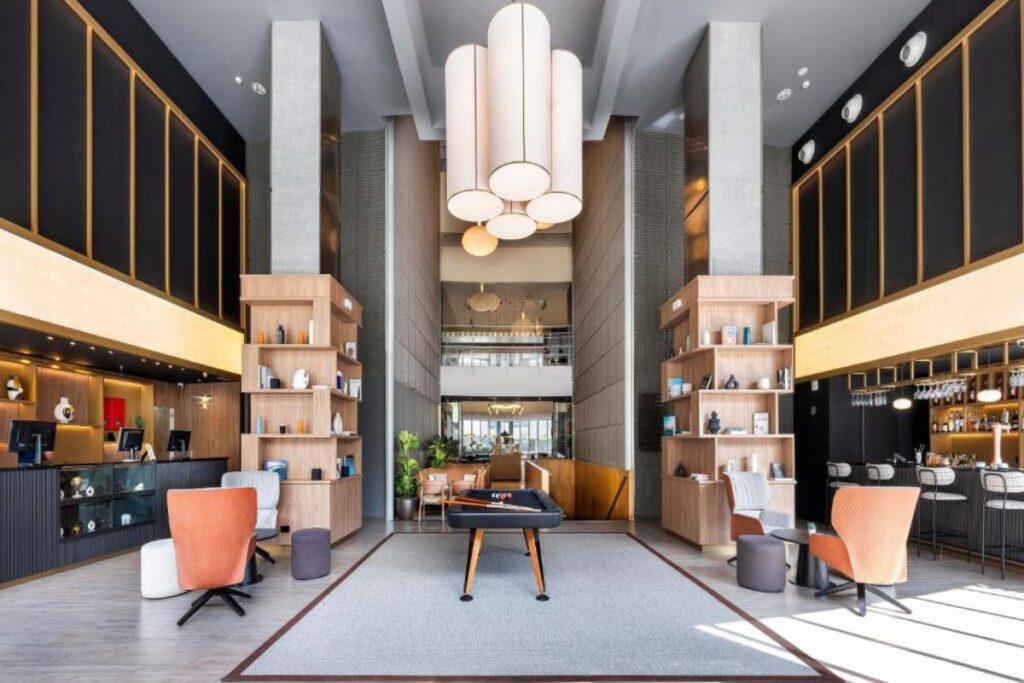
Barcelona earns its place on this list because queer life here feels habitual, not symbolic. Community exists in the overlap, nightlife, sports, daytime hangouts, and shared meals,making it easy to plug into queer life even if you arrive at a random moment.
Best for: travelers who want visible queer life, warm weather, women’s sports culture, and intentional lesbian / WLW social spaces
When to go: late spring and early fall, when the city is lively without peak-season crowds
London, England
London’s queer community is vast, layered, and deeply lived-in, the kind of scene that doesn’t rely on Pride to feel visible or connected.
Here, queerness isn’t confined to one weekend or one neighborhood. Community exists year-round and across the city, shaped by long-running venues, bookstores, arts spaces, pop-up nights, and social rituals that repeat weekly. Pride is meaningful but it’s far from the only time queerness shows up. Queer life here is habitual, not seasonal.
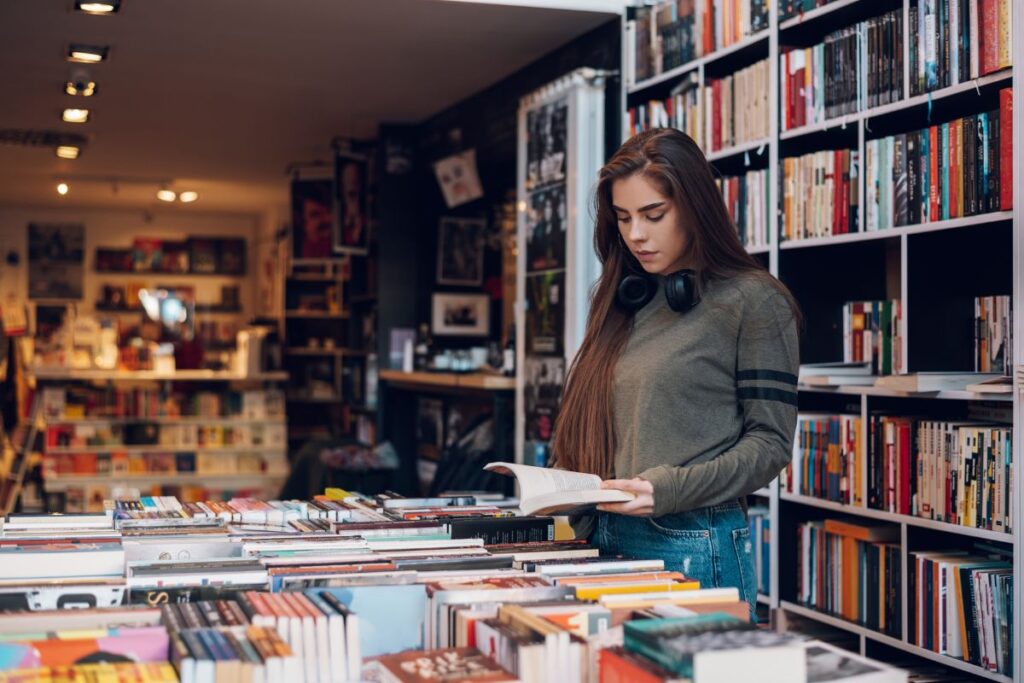
One great example is London’s rich network of queer bookshops and cultural spaces, which show up as community anchors just as much as bars. EveryQueer’s coverage of LGBT bookshops and gay bookstores in London is a great place to start if you want to feel how history, literature, and community converge in real, everyday spaces. These aren’t tourist traps — they’re local hubs where queer people gather, recommend books to each other, and build connection.
Nightlife in London is spread out rather than centralized. There are several lesbian and WLW-forward nights, women-centered pop-ups, and queer arts events that make community feel accessible without requiring you to commit to a single scene. That means you can find your rhythm whether you’re into music, conversations, culture, or creative spaces.
What’s especially striking about queer life in London is how multi-generational it feels. You’ll meet people in their early 20s alongside folks who’ve been part of the scene for decades. That continuity creates a sense of rootedness rather than trend-chasing, and it makes the city feel less like a place you’re visiting and more like one you’re stepping into — even if you’re only here for a few days.
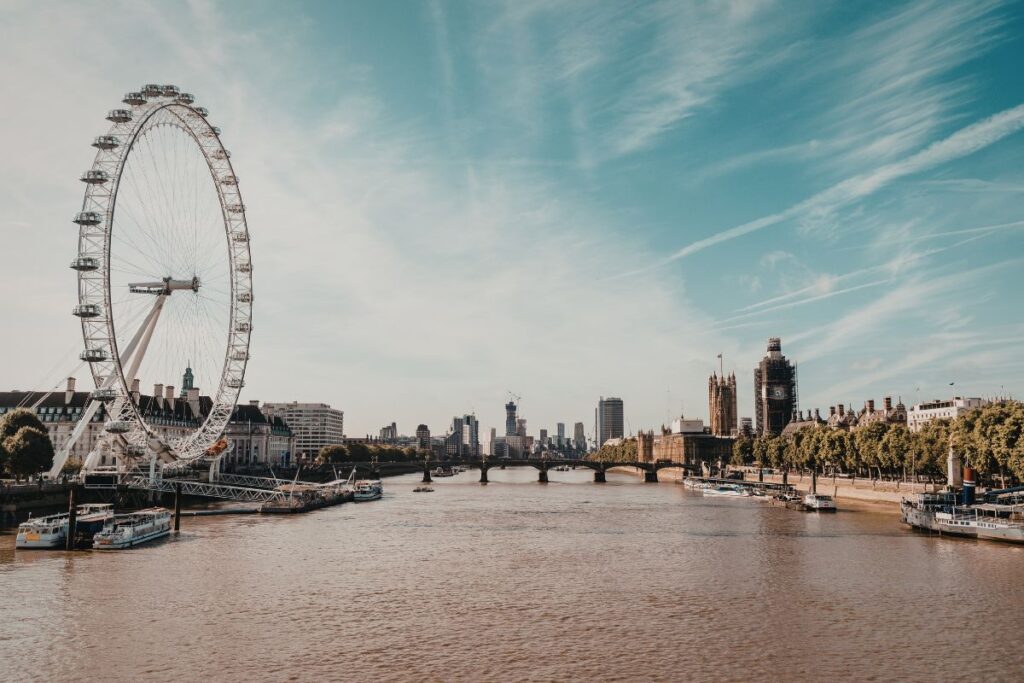
From a practical travel perspective, London has plenty of inclusive accommodations. Several LGBTQ Travel Proud–certified hotels make it easy to prioritize comfort and community while staying convenient to queer life across the city. Notable options include YOTEL London City, Moxy London Stratford, The Hoxton, Southwark, and Ruby Lucy Hotel London by IHG all great bases for exploring queer life, arts, and culture.
London earns its place on this list because queer community here doesn’t need to be activated. It’s already present — in routines, in friendships, in gatherings around food, books, music, activism, and conversation — without needing Pride as the entry point.
Best for: travelers who want layered queer history, multi-generational community, and multiple ways to connect beyond nightlife
When to go: late spring and early fall, when the city feels social without peak crowds
Brighton, England
Brighton is one of those places where queer community feels immediately present, not because of one event, but because it’s built into everyday life.
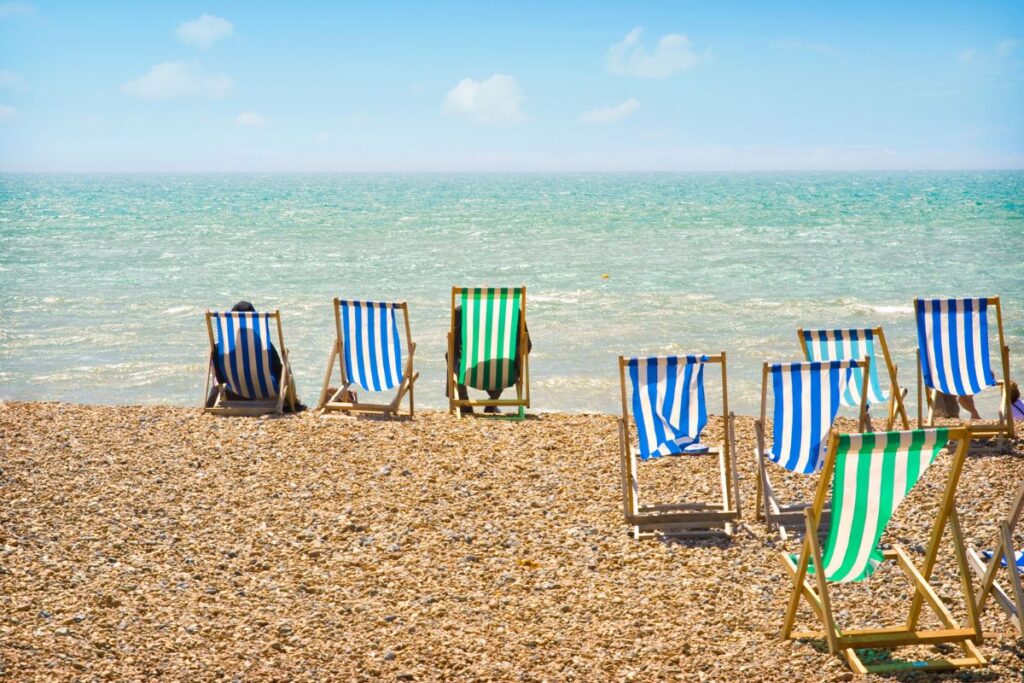
This seaside city has long been a magnet for LGBTQ people in the UK, and that history shows up year-round. Queer life here isn’t tucked away or reserved for Pride weekend. It’s visible in cafes, shops, markets, and recurring social nights that locals return to again and again. The scale helps, too: Brighton is compact, walkable, and social in a way that makes connection feel easy rather than forced.
For lesbian and queer women travelers, Brighton stands out for how accessible its community feels. You don’t need to hunt for the scene — it’s woven into daily rhythms. Queer-owned and queer-run businesses play a big role in that. Resources like The Queery highlight LGBTQ-owned businesses across the city, from makers and creatives to wellness and retail spaces, giving visitors clear ways to support the community and feel part of it. Events like Big Gay Market Brighton bring queer creatives and locals together regularly, creating social energy that exists well beyond nightlife.
Queer social life here isn’t limited to bars, though there are plenty of welcoming spaces if that’s what you’re looking for. Community also shows up through beach days, brunches, pop-up events, creative workshops, and casual meetups that feel low-pressure and familiar. It’s the kind of place where you can strike up a conversation at a market stall or end up chatting with someone on a seaside walk.
Brighton works especially well as a Pride alternative because connection doesn’t depend on spectacle. Pride is meaningful here, but it’s not the only moment when queerness is visible. Community exists in routines — supporting queer businesses, showing up to the same social spaces, and being part of a town where LGBTQ life is simply part of the fabric.
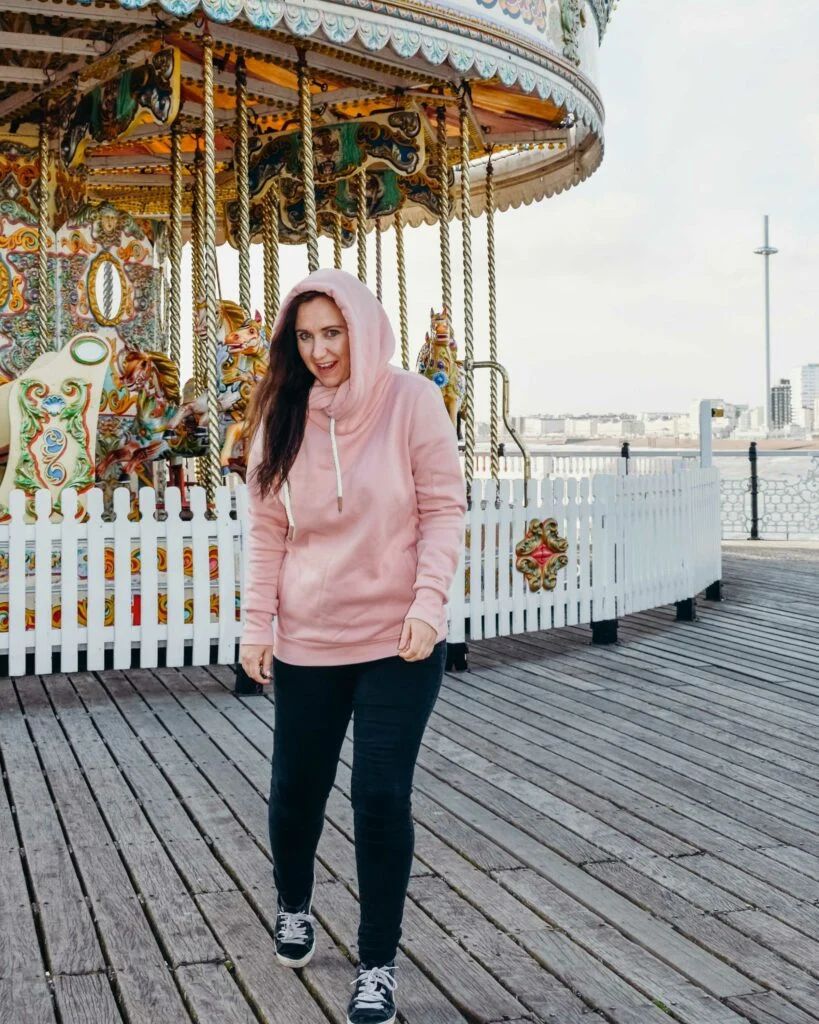
For a deeper, lesbian-focused look at how to experience the city, EveryQueer’s Lesbian Travel Guide to Brighton is a great companion, with specific recommendations for bars, social spaces, and community-forward experiences.
Best for: travelers who want approachable queer community, seaside energy, and strong lesbian / WLW visibility without crowds
When to go: late spring through early fall, when the city feels social but still relaxed
Berlin, Germany
Berlin’s queer community is deeply rooted, political, and unmistakably present, the kind that exists whether or not anyone is celebrating, visiting, or paying attention.
Queer life here doesn’t revolve around a single scene or neighborhood. Instead, it unfolds across the city through long-standing venues, cultural spaces, recurring queer and FLINTA-focused nights, and everyday rituals that locals return to again and again. Pride matters in Berlin, but it isn’t the primary access point to queer life. Community here is built through continuity rather than spectacle.
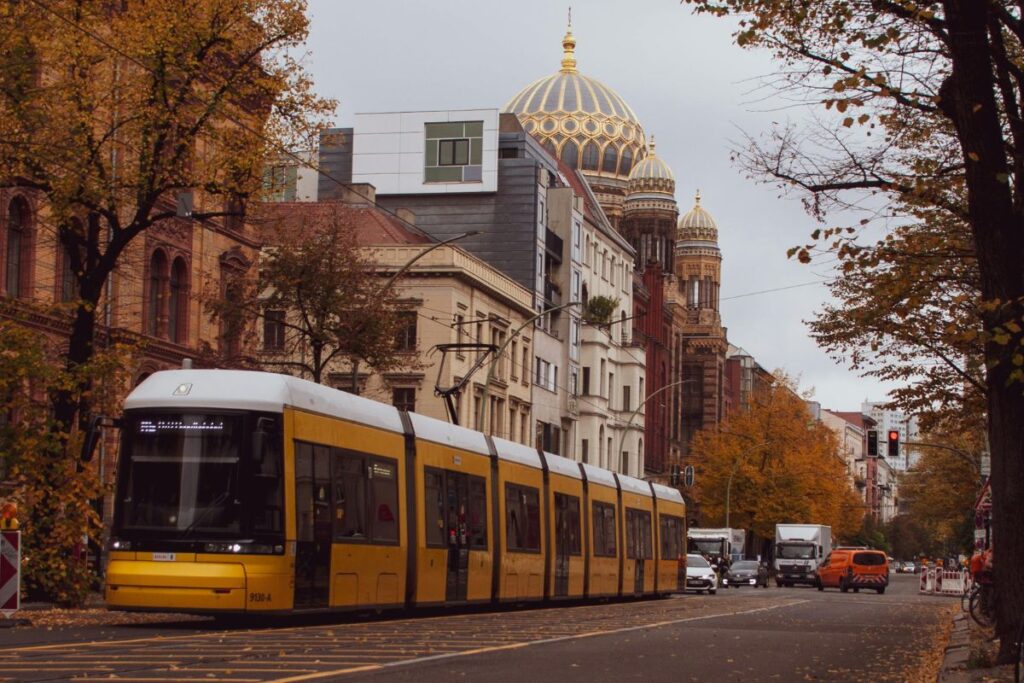
Historically, neighborhoods like Schöneberg have anchored LGBTQ life, with decades of queer history embedded in bars, streets, and gathering places. Today, much of the city’s queer energy — particularly for lesbian, queer women, trans, and nonbinary communities — flows through Kreuzberg and Neukölln, where queer-friendly cafes, creative venues, bookstores, and community-led spaces make queer presence feel lived-in rather than curated.
For travelers who want context as much as nightlife, Berlin offers ways to engage with queer history and culture beyond bars. Queer-focused walking tours and cultural experiences introduce visitors to the city’s LGBTQ history, political roots, and neighborhood stories, adding depth to what you see and where you spend time.
Berlin’s nightlife is famously expansive, but it’s also varied. Alongside large club spaces are more intimate queer and FLINTA-centered gatherings, women-led nights, and recurring social events that prioritize connection over spectacle. These aren’t one-off pop-ups they’re nights people build routines around.
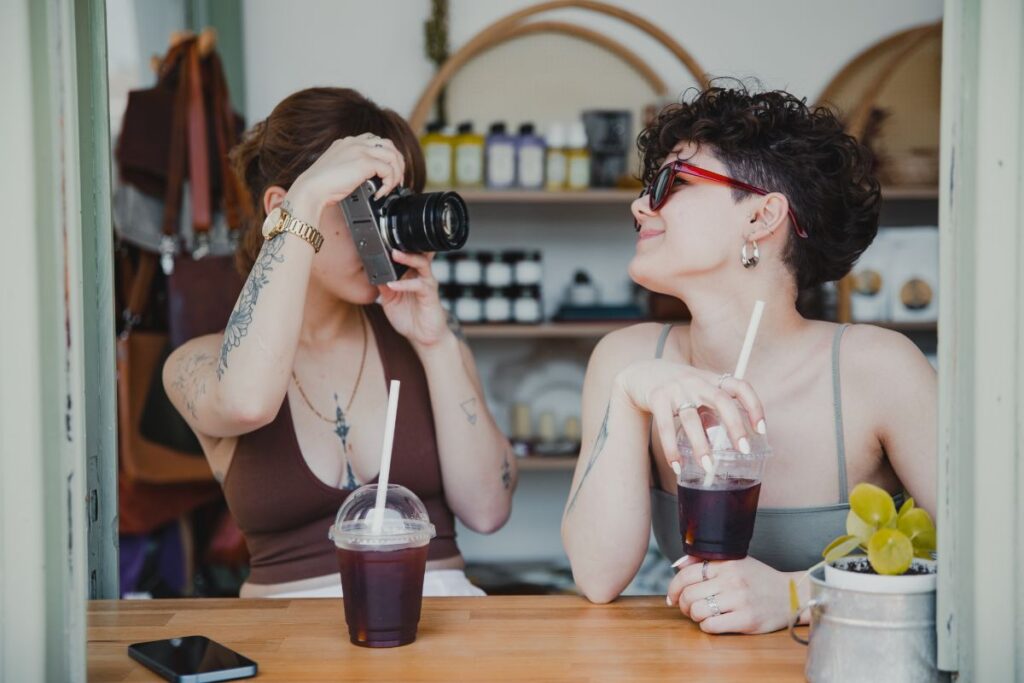
What makes Berlin work as a Pride alternative is that queerness here is woven into everyday life. People connect through art openings, film screenings, community discussions, activist spaces, cafes, and shared values. Queer presence doesn’t feel staged, it feels structural.
From a travel standpoint, Berlin is also straightforward and welcoming. LGBTQ Travel Proud–certified hotels across the city make it easy to choose inclusive accommodations close to queer neighborhoods and cultural hubs. Options include INNSiDE by Meliá Berlin Mitte, Pullman Berlin Schweizerhof, The Hoxton Berlin, and Generator Berlin Mitte.
Berlin earns its place on this list because queer community here doesn’t need a calendar reminder. It exists in neighborhoods, relationships, and shared spaces — and visitors who arrive with curiosity often find themselves folded into it naturally.
Best for: travelers who want deeply rooted queer culture, neighborhood-based community, and connection through art, politics, and everyday life
When to go: late spring through early fall, when the city feels especially social and outdoor-oriented
Melbourne, Australia
Melbourne’s queer community feels lived-in, creative, and unmistakably present — the kind that exists whether or not Pride is happening.
Queer life here doesn’t rely on a single weekend or festival to feel visible. It shows up in neighborhood bars, community-focused cafes, bookstores, and social spaces that people return to week after week. Pride matters in Melbourne, but it isn’t the only moment when queerness feels central. Community here is steady, layered, and built into everyday life.
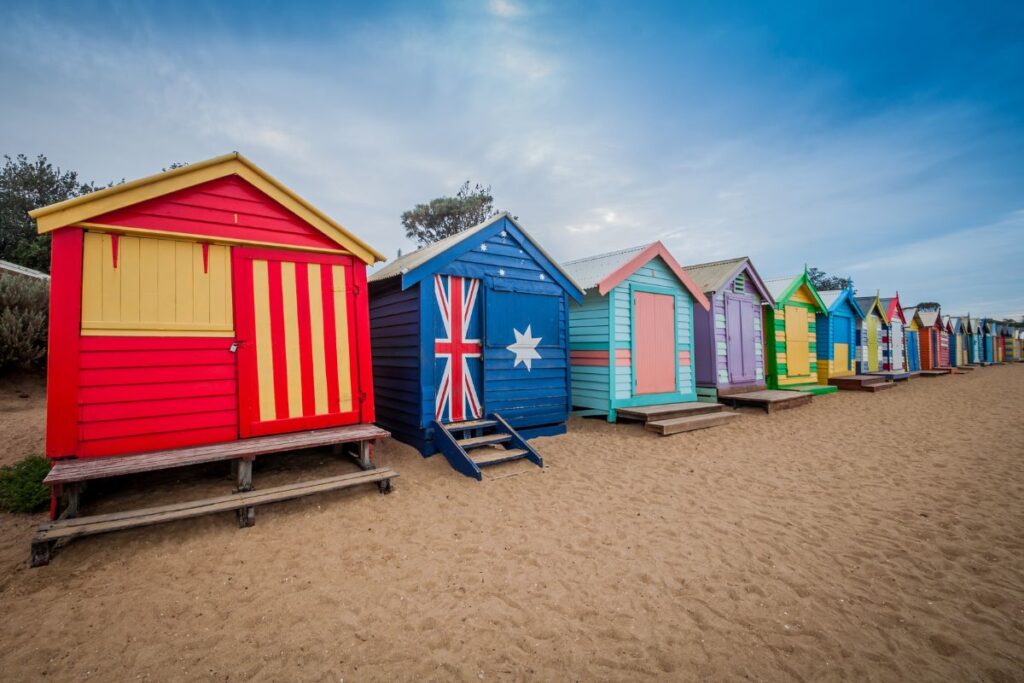
Much of Melbourne’s queer energy lives in inner-city neighborhoods like Fitzroy, Collingwood, and Brunswick, where queer-owned and queer-run spaces sit alongside galleries, cafes, and music venues. Staying nearby makes it easy to move through the city while still feeling anchored in queer community.
Community also forms in quieter, daytime-friendly spaces. Flippy’s, run by queers for queers, is a place where people linger over coffee or drinks and conversations stretch longer than planned. Mr Frankie plays a similar role, hosting events and gatherings that prioritize connection over spectacle.
Melbourne’s queer culture extends beyond bars, too. Longstanding spaces like The Laird Hotel and Evie’s Bar and Diner are social anchors, while Hares & Hyenas offers another entry point into community through books, events, and shared culture.
What makes Melbourne work so well as a Pride alternative is that queer connection here doesn’t feel scheduled. People meet through shared interests — arts, food, books, sports, neighborhood rituals — rather than a single marquee event. You can arrive on a random week in April or October and still feel surrounded by queer life.
From a travel perspective, Melbourne is also easy to navigate comfortably. LGBTQ Travel Proud–certified hotels across the city make it simple to choose inclusive accommodations close to queer neighborhoods and cultural hubs. Good options include Vibe Hotel Melbourne, The Howey, Hyde Melbourne Place, and Sofitel Melbourne On Collins.
Melbourne earns its place on this list because queer community here doesn’t need to be activated. It’s already present in routines, relationships, and spaces that hold people beyond one weekend a year.
Best for: travelers who want dedicated lesbian and queer women’s spaces, creative culture, and a community that feels everyday rather than event-based
When to go: March to May or September to November, when the city feels lively without peak heat
A Different Way to Belong
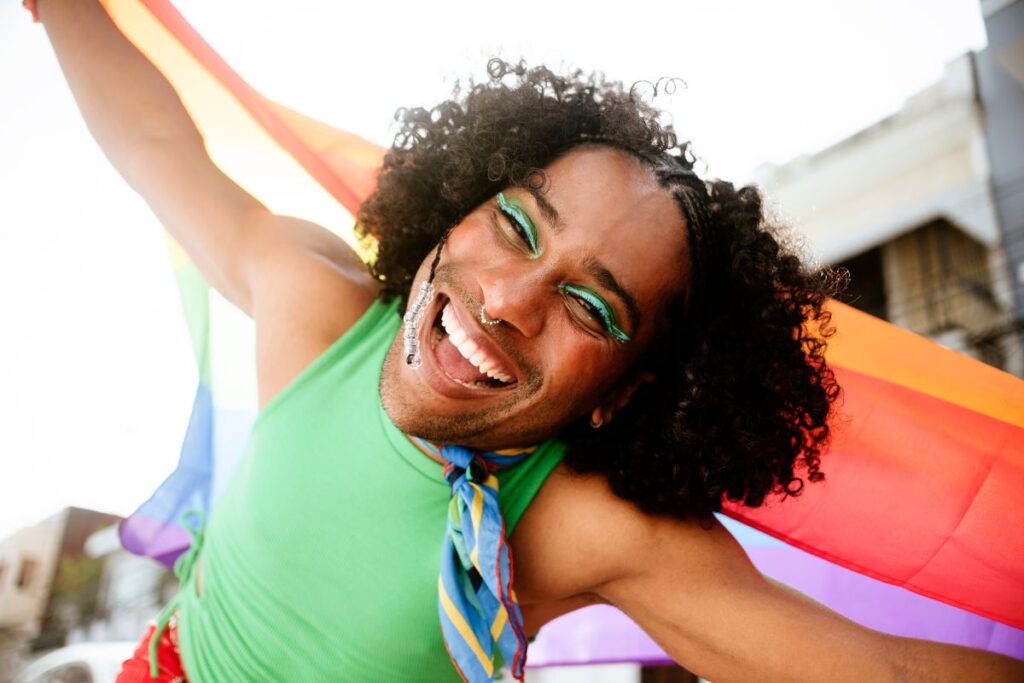
Pride will always matter. It will always be a place of history, visibility, and collective joy.
But queer community isn’t limited to a single weekend — and neither is belonging. For travelers who want a connection that feels steadier, quieter, or more woven into everyday life, these Pride alternatives offer another way in.
Whether you’re planning a trip around women’s sports, neighborhood rituals, queer-owned businesses, or simply the desire to feel less alone somewhere new, there are places where queer life exists year-round — no parade required.
However you choose to show up, there’s more than one way to belong.