What Queer Travelers Should Know Before Visiting Nepal
Nepal might not be the first place people think of for LGBTQ travel, but it can be one of the most rewarding destinations for queer travelers who love adventure. Known for the towering peaks of the Himalayas, ancient temples, and world-class trekking routes, the country draws adventurers from around the world every year.
For many travelers, Nepal is synonymous with trekking. Routes like the Everest Base Camp trek attract people who want to experience the mountains up close. But beyond the trekking routes, cities like Kathmandu offer an entirely different kind of travel experience filled with temples, historic squares, vibrant markets, and a deeply spiritual atmosphere.
For LGBTQ travelers considering a trip to Nepal, one of the biggest questions is often simple: what is it actually like to travel there as a queer person?
While Nepal may not have the visible LGBTQ scene of destinations in North America or Europe, the reality of traveling there as a queer visitor can be far more welcoming than many people expect.
After spending nearly three weeks in Nepal exploring Kathmandu and trekking to Everest Base Camp, here is what LGBTQ travelers should know before visiting.
Is Nepal Safe for LGBTQ Travelers?
Nepal has some of the strongest LGBTQ legal protections in South Asia.
LGBTQ Travel Snapshot: Nepal
Legal status
Same-sex relationships are legal in Nepal and the country has some of the strongest LGBTQ legal protections in South Asia.
Gender recognition
Nepal officially recognizes a third gender on certain government documents.
Public displays of affection
Public displays of affection are uncommon for all couples in Nepal.
Most LGBTQ-friendly area
Kathmandu is generally the most open place in the country for LGBTQ travelers.
Trekking regions
Popular trekking routes are used to international visitors.
LGBTQ nightlife
Visible LGBTQ nightlife and community spaces are limited, though there are a few bars and organizations like Queermandu.
In 2007, Nepal’s Supreme Court ruled in favor of LGBTQ rights, recognizing a third gender and calling for protections against discrimination based on sexual orientation and gender identity. Nepal’s constitution now includes language protecting LGBTQ people, making it one of the most legally progressive countries for LGBTQ rights in the region.
However, legal protections and social attitudes are not always the same.
Nepal remains a deeply traditional society where public displays of affection are uncommon for everyone. Cultural expectations around relationships and gender roles can still be conservative, particularly outside major cities.
For LGBTQ travelers, this typically means the experience is shaped more by local cultural norms than by overt hostility.
During my time in Nepal, I traveled both solo and with my partner. I also spent time trekking through small mountain villages as well as exploring Kathmandu. Throughout the entire experience, I never once felt unsafe or uncomfortable as an LGBTQ traveler.
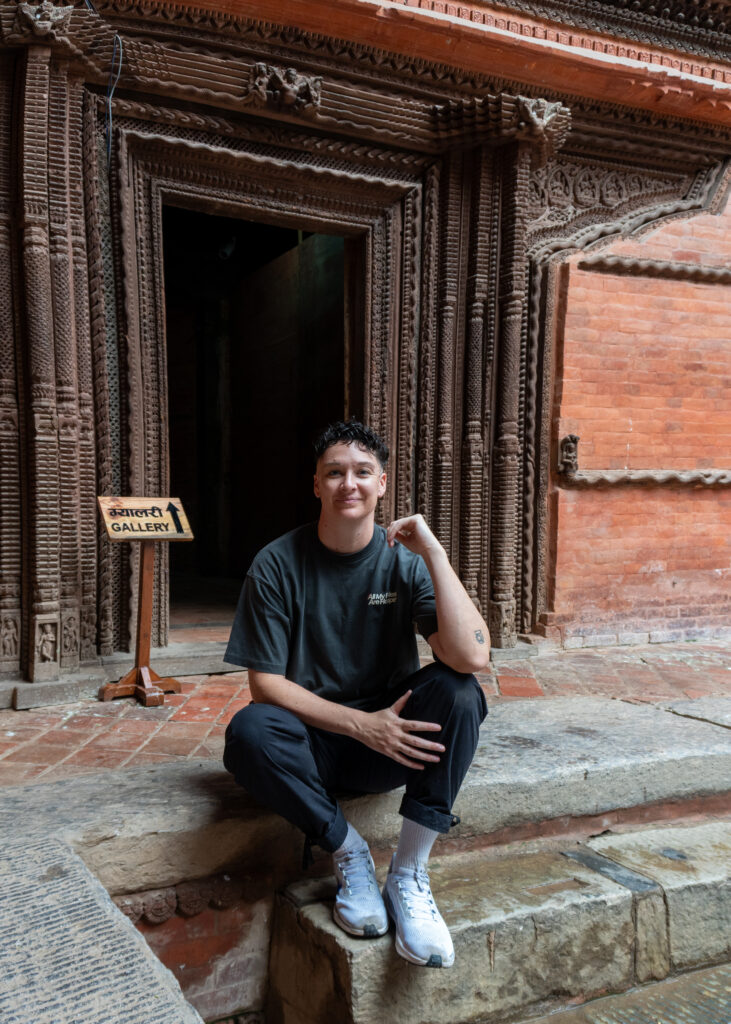
It is also worth noting that I am a very visibly queer person. I am androgynous and masc-presenting, nearly six feet tall, and I wear my hair very short. In many places around the world that kind of gender presentation can draw attention. In Nepal, it rarely did.
Most locals I interacted with casually did not comment on my appearance or my relationship. The only time the topic came up directly was during a conversation with our trekking guide. He asked respectful questions about my partner and our relationship, and the tone felt more like genuine curiosity than judgment.
Public displays of affection are minimal in Nepal for everyone. You will rarely see Nepali couples holding hands or showing affection in public spaces, although younger people are beginning to adopt those behaviors in cities. Because of that cultural norm, most LGBTQ travelers naturally fall into the same rhythm. Small gestures like hugging your partner feel normal, but overt PDA is uncommon for any couple.
It is also important to acknowledge that the experience of LGBTQ travelers and LGBTQ Nepali people can be very different. Foreign travelers often receive a certain level of grace simply because they are tourists contributing to the local economy. LGBTQ Nepali people still face discrimination in daily life, and social acceptance continues to evolve.
I am also aware that my experience is shaped by privilege. As a white traveler with the financial means to visit Nepal, I move through the world differently than many others. There are also moments when my androgynous presentation means I am perceived as male, which also carries its own layer of privilege in many cultures.
For travelers who approach Nepal with cultural awareness and respect, it can be an incredibly welcoming destination.
LGBTQ Travel Resources in Nepal
Kathmandu does not have the same visible LGBTQ scene that you might find in cities like New York, London, or Berlin. Pride flags are rare, and outward LGBTQ representation is limited.
However, there are signs of a growing queer travel presence.
One example is Queermandu, an LGBTQ tour operator based in Kathmandu that organizes travel experiences and tours specifically designed for queer travelers. Connecting with organizations like Queermandu can be a meaningful way to learn more about LGBTQ life in Nepal while supporting local community efforts.
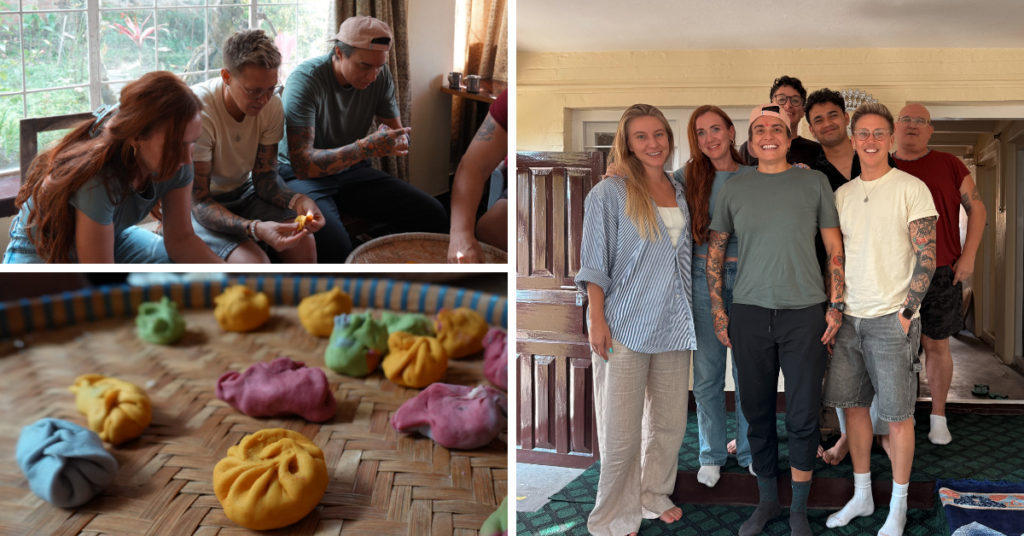
During my visit, I had the opportunity to explore Kathmandu with Queermandu and learn more about the local queer community.
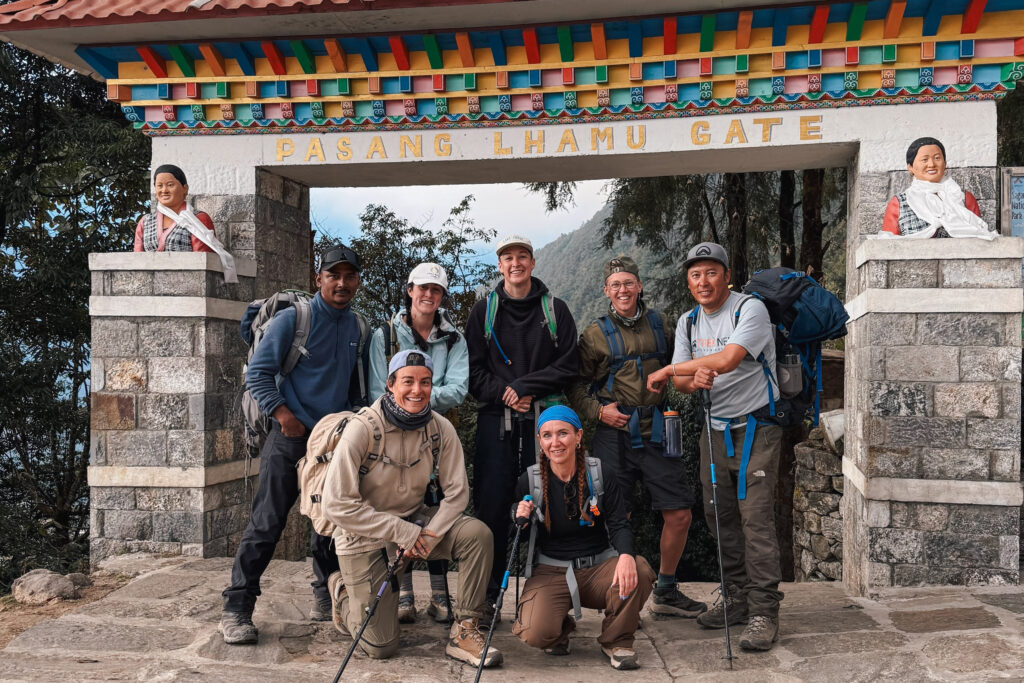
For trekking, our group worked with iTrek Nepal, and the experience was exceptional from start to finish. Their team was incredibly knowledgeable about trekking logistics and altitude safety, and they were also thoughtful and open when LGBTQ questions came up along the way.
Having guides who are experienced, welcoming, and comfortable answering questions can make a huge difference on a multi-day trek.
Best Time to Visit Nepal
The best time to visit Nepal is typically October through November and March through April.
These months offer the clearest mountain views and stable weather conditions for trekking. October is particularly popular because the monsoon season has ended, leaving the air clear and the landscapes vibrant.
During my trip in late October and early November, the weather during the day was often warmer than I expected while trekking, although mornings and evenings in the mountains were still quite cold.
First Impressions of Kathmandu
Kathmandu makes a strong first impression.
When I arrived, the immediate feeling was excitement. The city has a contagious energy that is hard to describe until you experience it yourself. Kathmandu is busy, vibrant, and full of contrasts, and stepping into that environment felt thrilling.


One of the first things you notice is the smell of incense. It drifts through the city from temples, shrines, and shops, creating a scent that becomes part of the Kathmandu experience. The fragrance is so distinctive that several people in our group ended up bringing incense home as a souvenir.
Kathmandu also has a long and fascinating relationship with tourism. For decades, travelers have passed through the city on their way to trek in the Himalayas, and that international presence sits alongside centuries-old religious and cultural traditions.
Things to Do in Kathmandu
Kathmandu is a city that rewards curiosity and wandering.
The streets are narrow and often packed with pedestrians, motorbikes, and shops selling everything from trekking gear to fresh pastries. Part of the experience is simply exploring and letting yourself get a little lost.
Swayambhunath (The Monkey Temple)
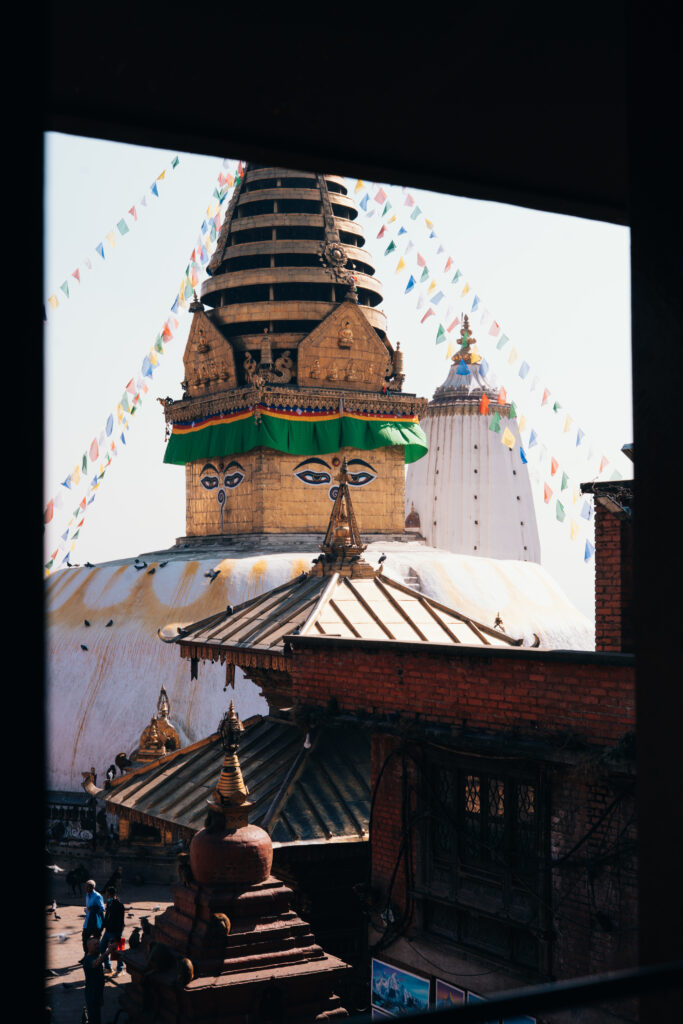
Swayambhunath, commonly called the Monkey Temple, is one of the most iconic sites in Kathmandu. Reaching the top requires climbing a long flight of stairs, but the view over the city makes the effort worthwhile.
If you wander toward the back left corner of the temple complex, you will find a few small cafes tucked into quieter areas where you can sit and take in the view.
Boudhanath Stupa


Boudhanath Stupa is one of the most peaceful places in Kathmandu. Walking around the stupa beneath colorful prayer flags while locals spin prayer wheels is an unforgettable experience.
Several rooftop cafes overlook the stupa, making it a great place to sit with a coffee and watch daily life unfold.
Pashupatinath Temple


Pashupatinath Temple is one of the most important Hindu temples in the world. Along the banks of the Bagmati River, cremation ceremonies take place throughout the day.
Witnessing these rituals can be powerful and emotional. I highly recommend visiting with a guide so you can better understand the cultural and spiritual significance of what you are seeing.
Durbar Squares
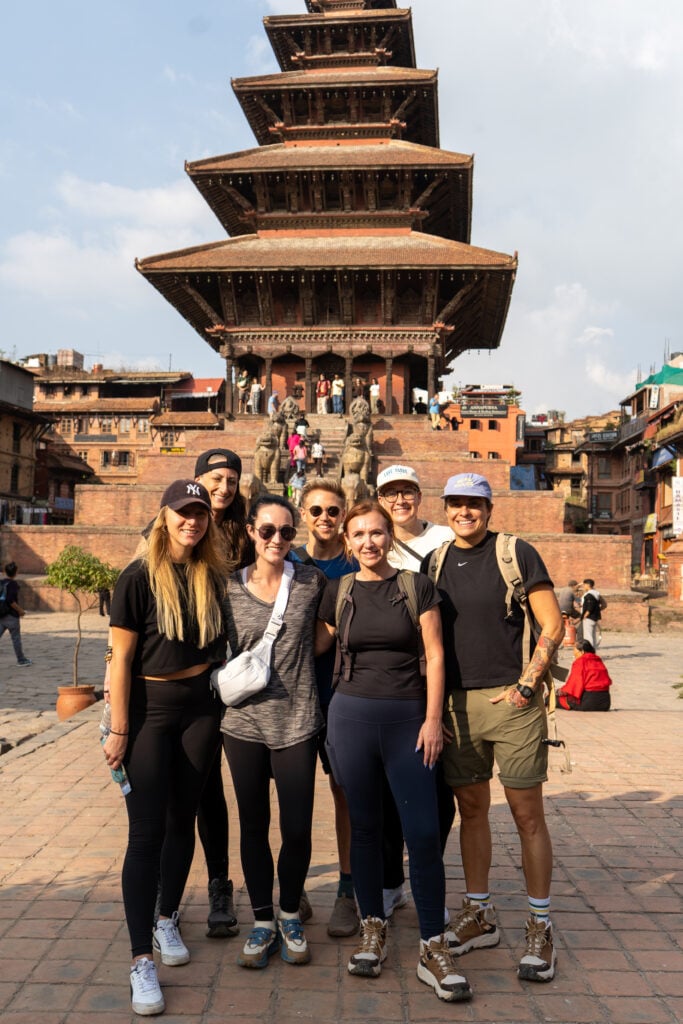
Kathmandu Durbar Square and nearby Bhaktapur Durbar Square offer a glimpse into Nepal’s royal and architectural history. Both are beautiful places to spend an afternoon exploring temples, courtyards, and historic buildings.
Explore Thamel
Thamel is the main tourism district in Kathmandu and where many travelers stay before and after trekking.
The neighborhood is energetic and full of restaurants, bakeries, coffee shops, and trekking outfitters. You can find everything from major brands like The North Face to local gear shops and plenty of knockoff options.
During our time there, we wandered through cafes, got haircuts, had our nails done, and even picked up a couple of small tattoos.
After ten days of trekking in the mountains, one of the most satisfying meals we had was pizza at Sicily by T’s, which tasted wonderfully familiar after pushing our bodies on the Everest Base Camp trek.
Pro Tip: Consider spending at least two days in Kathmandu before trekking. This allows your body to adjust to altitude and gives you time to explore the city before heading into the mountains.
Trekking in Nepal
For many travelers, trekking is the main reason to visit Nepal.
The Himalayas offer some of the most spectacular mountain landscapes on Earth, and routes like the Everest Base Camp trek draw adventurers from around the world.
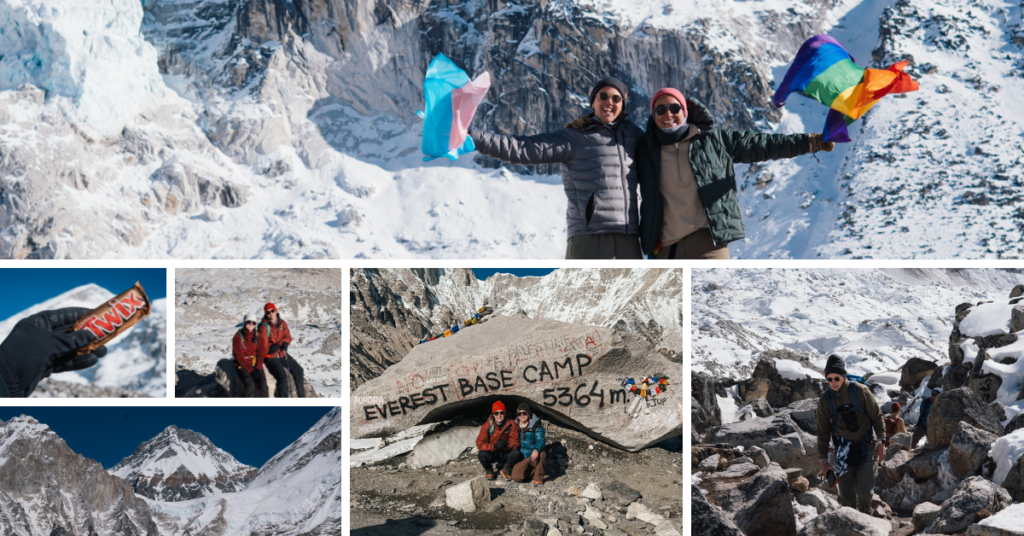
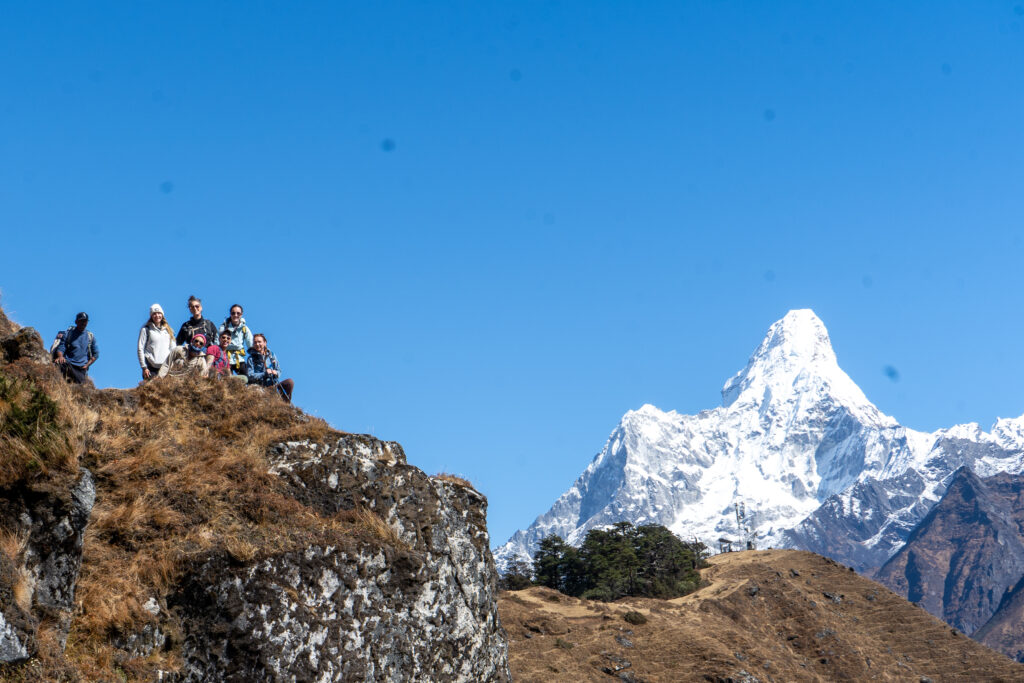
I completed the Everest Base Camp trek with a group of EveryQueer travelers. It pushed me physically and mentally, but it also delivered some of the most breathtaking scenery I have ever experienced.
The scale of the mountains is difficult to comprehend until you are standing among them. No matter how big you imagine them to be, the Himalayas somehow feel even larger in person.
If you want to see what the experience is like day by day, you can read our Everest Base Camp trekking recap on EveryQueer.
Trekking in Nepal is often described as “type two fun.” Days are long, altitude can impact sleep, and your body is constantly adjusting to the environment. Mornings and evenings are cold, and food can sometimes be tough on your stomach.
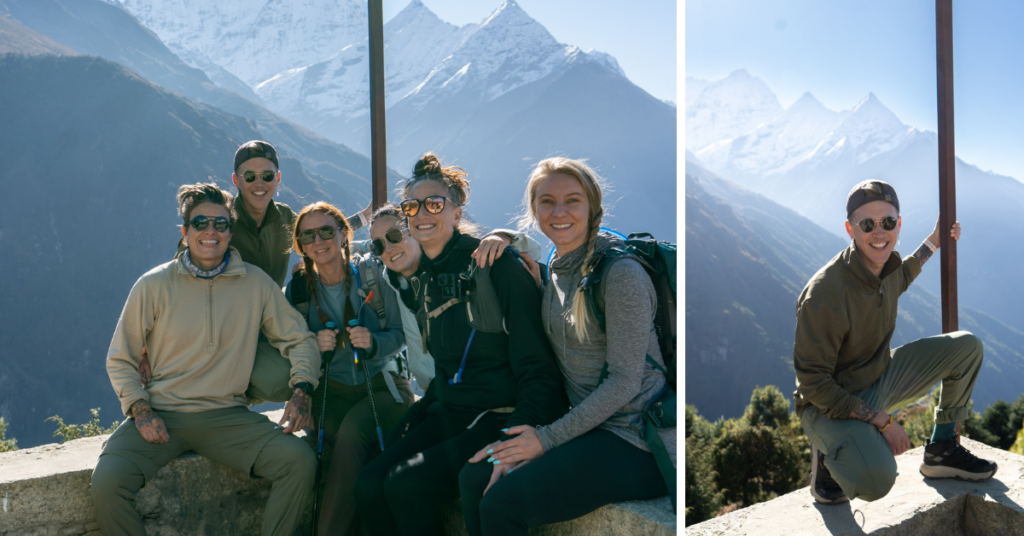
But the tradeoff is extraordinary. Standing among the highest mountains in the world is something that stays with you long after the trip ends.
Foods You Should Try in Nepal
Nepali cuisine is comforting, flavorful, and perfect for fueling long trekking days.
Some dishes you should not leave Nepal without trying include:
Momos
Nepal’s beloved dumplings are served steamed or fried and usually come with a delicious dipping sauce that adds a surprising amount of flavor.
Dal Bhat
A traditional Nepali meal consisting of rice, lentil soup, vegetables, and sometimes meat. It is incredibly common on trekking routes.
Pani Puri
A popular street food consisting of crispy shells filled with flavored water and spices.
Sel Roti
A sweet, ring-shaped fried bread that is slightly crispy and delicious.
Vegetable Thukpa
A hearty noodle soup influenced by Tibetan cuisine that is perfect in cooler weather.
While trekking food in the mountains is more limited, tea houses still provide enough variety to keep you fueled during long days on the trail.
Practical Travel Tips for Visiting Nepal
A little preparation can make traveling in Nepal much smoother, especially if you plan to trek in the mountains.
Visa on arrival is available for many travelers
Many nationalities can obtain a visa on arrival at Tribhuvan International Airport in Kathmandu. The process is relatively straightforward, though it can take some time if multiple flights arrive at once. Having passport photos and cash for the visa fee can speed things up.
Cash is still widely used
While hotels and larger restaurants may accept credit cards, Nepal is still largely a cash economy. ATMs are available throughout Kathmandu and Thamel, but it is a good idea to carry small bills, especially if you are heading into more rural areas or trekking regions.
Pack layers for trekking
Temperatures in Nepal can change quickly depending on altitude and time of day. During my Everest Base Camp trek in late October, the days were often warmer than I expected, but mornings and evenings were still quite cold. Lightweight layers, a warm jacket, and moisture-wicking clothing are essential.
Bring basic medications for trekking
Multi-day treks can be physically demanding, and food changes or altitude can sometimes impact digestion or sleep. Many trekkers pack basic medications for stomach issues, headaches, and altitude-related discomfort just in case.
Travel insurance is highly recommended
If you are trekking in Nepal, especially at higher elevations like the Everest region, travel insurance that covers high-altitude trekking and potential helicopter evacuation is strongly recommended.
Where to Stay in Kathmandu
Most travelers stay in Thamel, the main tourism district.
During my trip, I stayed at two hotels there:
Kantipur Temple House
A comfortable and budget-friendly hotel with a great location.
Arya Hotel and Spa
A higher-end option with excellent service that felt like a perfect soft landing after trekking.
Travelers seeking LGBTQ-friendly accommodations will also find that several hotels in Thamel are Travel Proud certified on Booking.com, indicating staff have received LGBTQ hospitality training.
Why Nepal Is Worth the Journey
Nepal may not be the first destination that comes to mind for LGBTQ travelers, but it can be an incredibly rewarding one.
The country offers a rare combination of adventure, culture, spirituality, and natural beauty. Whether you are wandering the streets of Kathmandu, standing beneath prayer flags at Boudhanath Stupa, or trekking through the Himalayas, Nepal delivers experiences that are difficult to find anywhere else.
For LGBTQ travelers who are open to adventure and willing to approach a new culture with curiosity and respect, Nepal can be an unforgettable destination.