Recently, the EveryQueer team and five guests set off for what we all kept calling “the adventure of a lifetime,” even though none of us fully understood what that meant yet. We met in Kathmandu, jet-lagged, excited, nervous, looking good, and totally unaware of just how many stairs we were about to climb in the days ahead.
We knew we’d be tested mentally and physically. We were correct.
But what we didn’t know was how special the group would be.
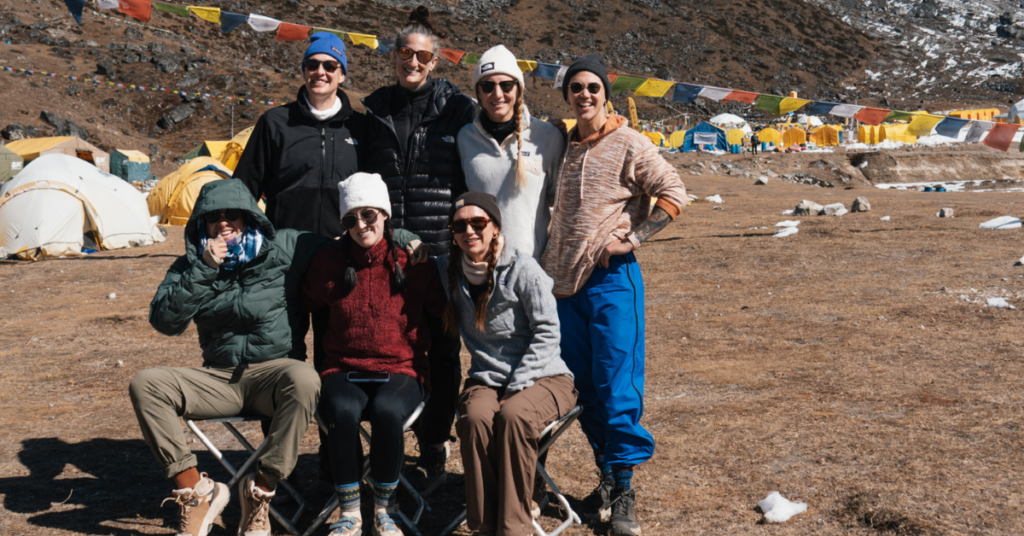
At our final dinner back in Kathmandu, exhausted, coughing, sunburned, fighting off chapped lips and a weird rash, every conversation circled back to the same thing: gratitude. Grateful that these were the people we did this with. Grateful for every shared sunscreen moment, every “you’ve got this” on a steep hill, every hug, every laugh, and every time someone cried from altitude, exhaustion, joy, or all of the above.
This wasn’t just a trek. It was a queer little community climbing a mountain together.
Kathmandu: Exploring, Meeting the Group & Queer Cooking Class
Kathmandu was our soft launch into chaos. The city is loud in a way that becomes its own soundtrack — constant motorbike engines, car horns that seem to communicate entire conversations, heavy traffic flowing in ways physics should question. The streets are uneven, and navigating them required a level of agility we weren’t expecting. We kept joking that a motorcycle might take us out before we even made it to the trail.
The air smelled like dhoop — a traditional incense that fills monasteries and stupas. Meg loved it so much she bought a bunch of incense to bring home like the scent would trap the memories, which honestly… it kind of does.
Our first group meeting felt easy. Jumping straight into an activity made the intros smooth. The vibes were immediately good, lots of laughter, instant inside jokes, the kind of energy that makes you think, “Okay, yes, these are my people.”
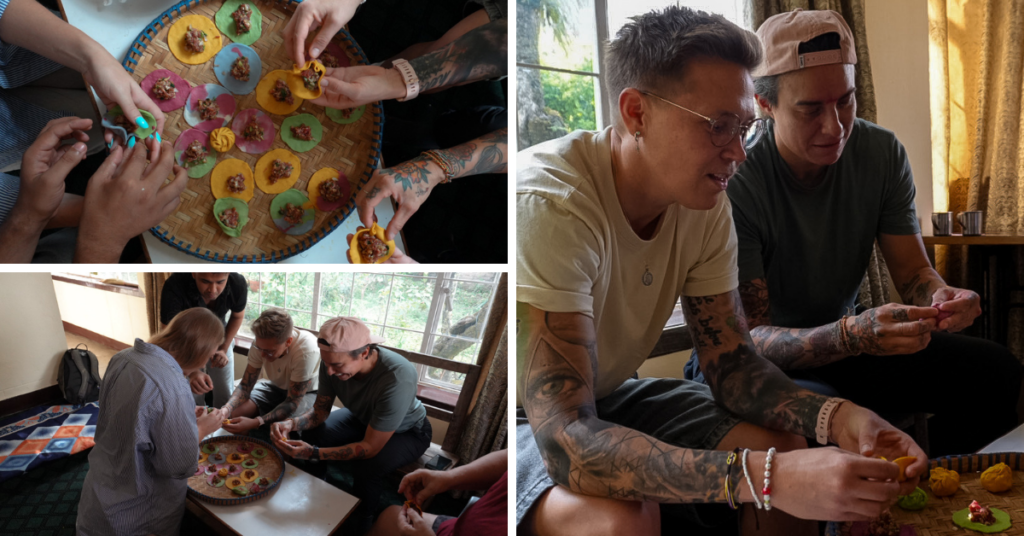
Our first group experience was Queermandu’s Homo Momo class, rainbow-color dumplings, natural dyes, a tiny kitchen in Thamel, and a whole lot of queer storytelling. It was the perfect low-stakes way to meet each other without the pressure of, “Hi, we’re climbing a mountain together tomorrow.”
And truly? Those momos were the best we ate the entire trip. No thanks to our folding skills.
Getting Ready to Trek: Meeting Guides & Lukla Flight
Next: meeting the iTrek Nepal team, aka the people tasked with getting us safely up and down the Himalayas.
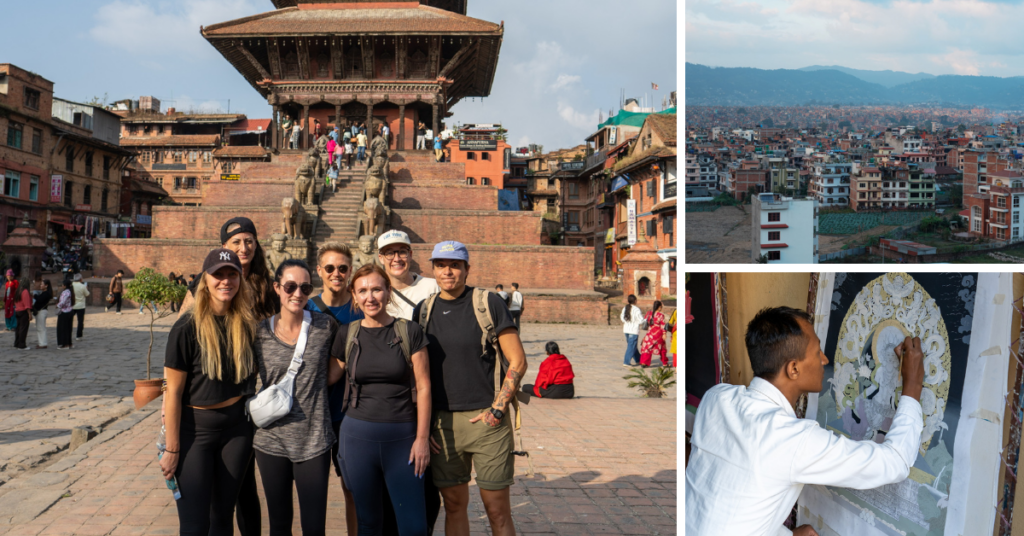
Shree, the owner, walked us through the plan, passed out duffels and sleeping bags, and took us on a tour of Bhaktapur painting school, singing bowls, wandering the ancient squares. The nervous excitement was buzzing.
Then came the morning flight to Lukla.
I had seen enough YouTube videos to know Lukla’s runway is… short. And angled. And aimed directly at a mountain. The airport was hectic, but our guide handled everything — bag weigh-ins, flight changes, the general chaos.
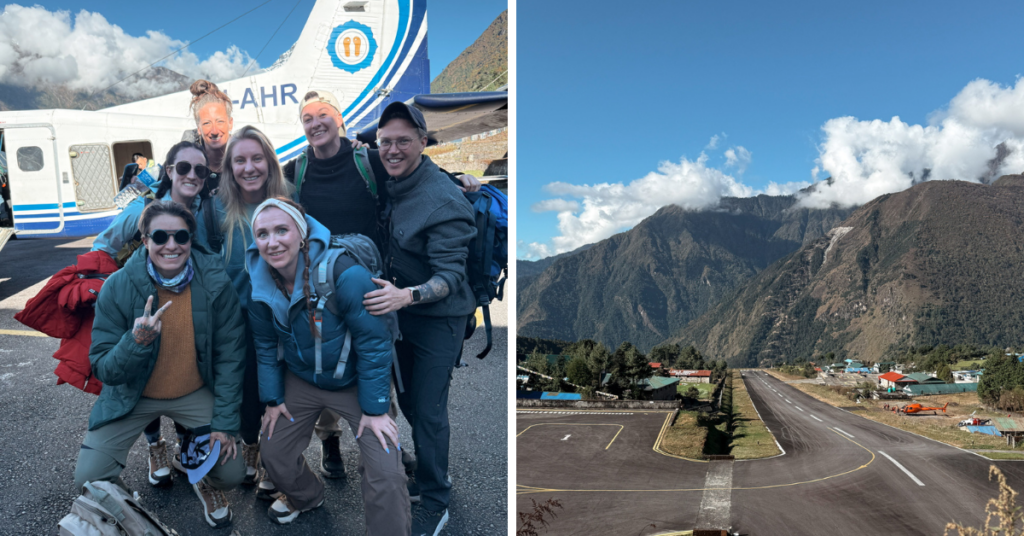
The flight was stunning — mountains poking through the clouds like a screensaver. Sit on the left side if you ever go. The plane seated maybe 14 people, so it felt like a private flight for our little queer expedition.
And then you land, and suddenly it’s real: you’re in the Himalayas, and you’re about to walk… a lot.
Daily Life on the Trail
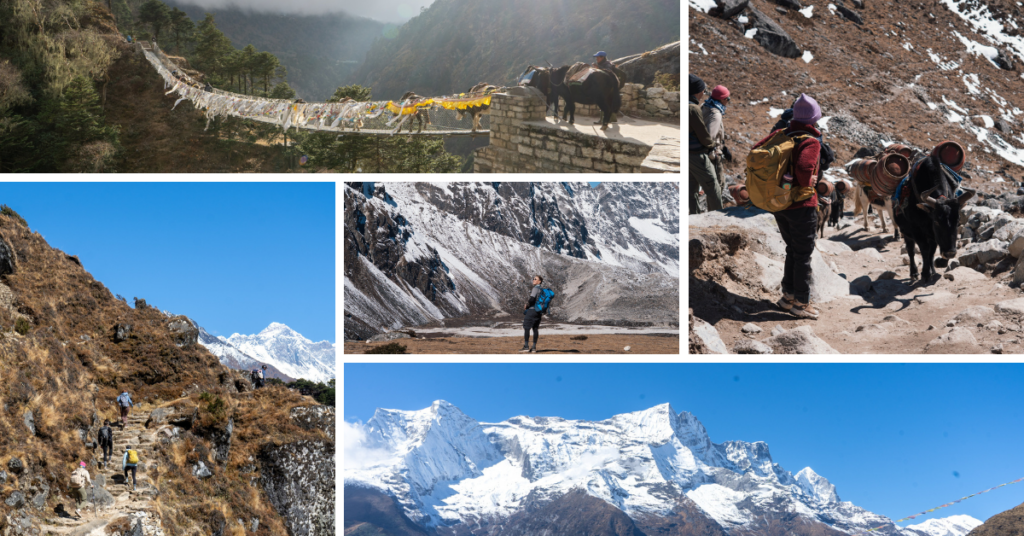
From Lukla onward, the days blurred together in a comforting routine that felt like, “Well, this is my life now.”
- Wake up around 6:30 (freezing)
- Breakfast at 7:30 (eggs, Tibetan bread, apple porridge, black tea)
- Trek for 3–4 hours
- Lunch (fried rice, noodles, sometimes yak cheese pizza that slapped way harder than expected)
- Trek a few more hours
- Layer up, stretch, tea house dinner, sleep, repeat
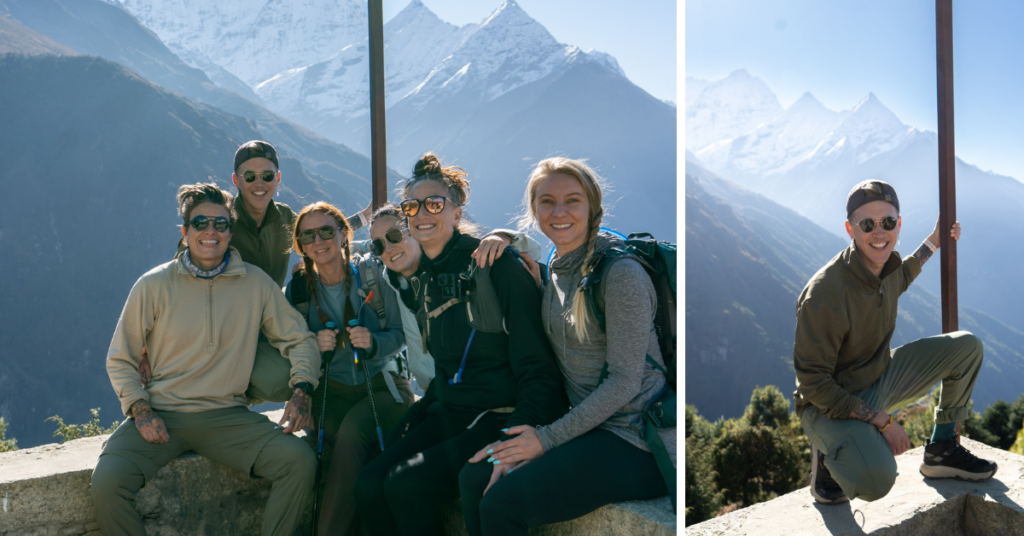
The trekking was challenging, truly challenging.
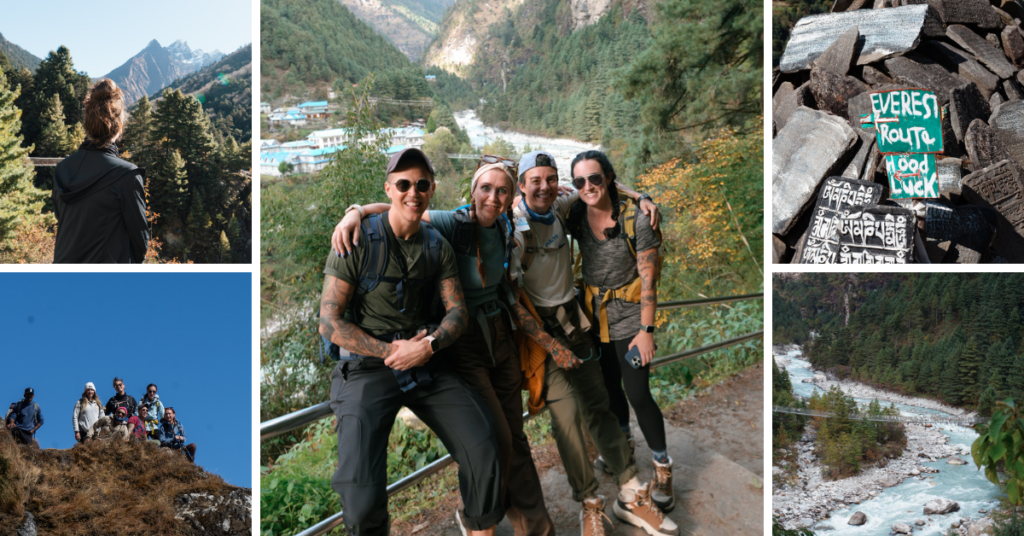
Day 2, climbing to Namche, nearly took us out. Between over 200 flights of stone stairs and the steep uphill, most of us spent the afternoon questioning whether we had wildly overestimated our abilities. This was the moment we realized: we had to trust the process, trust our training, trust our lungs… and trust that tomorrow wouldn’t be that brutal.
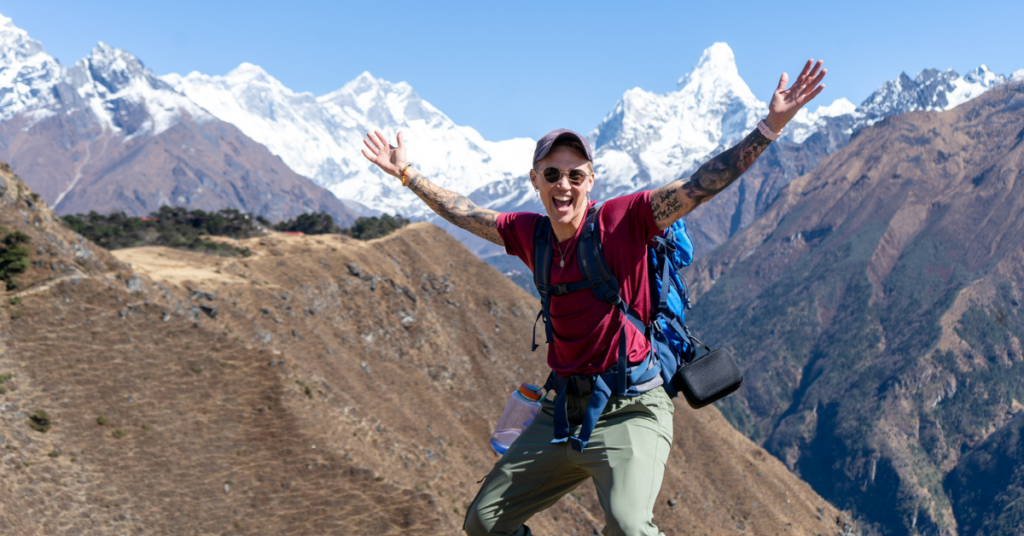
The laughs helped. Honestly, humor might be the only reason we made it. There were too many funny moments to count, the kind that happen only when you’re cold, tired, and completely unhinged together.
We also had our “Okay… now this is mountaineering” moment when word came that snow had fallen higher up. Suddenly, we were taking a group field trip to buy microspikes. (For the record: EBC is not a technical climb. Many groups never need spikes. But the mountains said, “Surprise,” and we listened.)
The coldest night was in Lobuche. The bathrooms had frozen water, the walk to the squat toilet felt like a polar expedition, and we slept with hot water bottles in our sleeping bags, plus the next day’s clothes so we didn’t have to put on ice-cold layers in the morning. It was a whole ritual — sleeping bag, beanie, liner, chapstick, hand warmers in socks.
Through all of it, our guides Bir and Shree were steadily leading us. I can’t imagine doing this without Meg, Kristine, Ada, Ash, Jocelyn, or Michelle. The trail conversations were what kept us going when we didn’t dare ask how much longer a particular uphill section was.
Ama Dablam Base Camp: Steep, Stunning, and Breath-Stealing
The hike to Ama Dablam Base Camp was steep — like, very steep. We gained a ton of elevation, one slow step at a time. We kept setting tiny goals to chip away at the climb. Meanwhile, Ash and Jocelyn charged ahead at lightning speed and had their own gorgeous experience at the top.
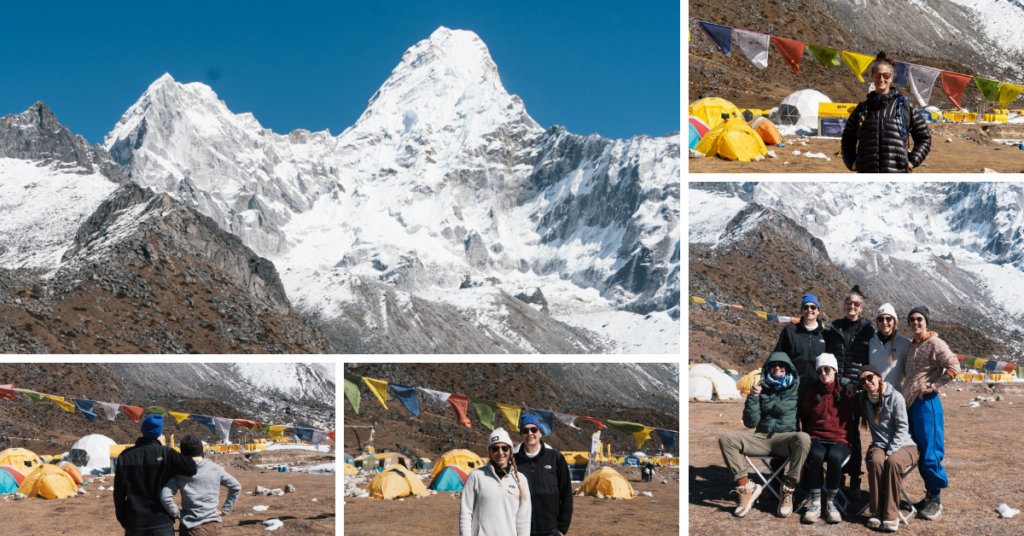
Having two guides meant everyone found their own pace, which was a gift.
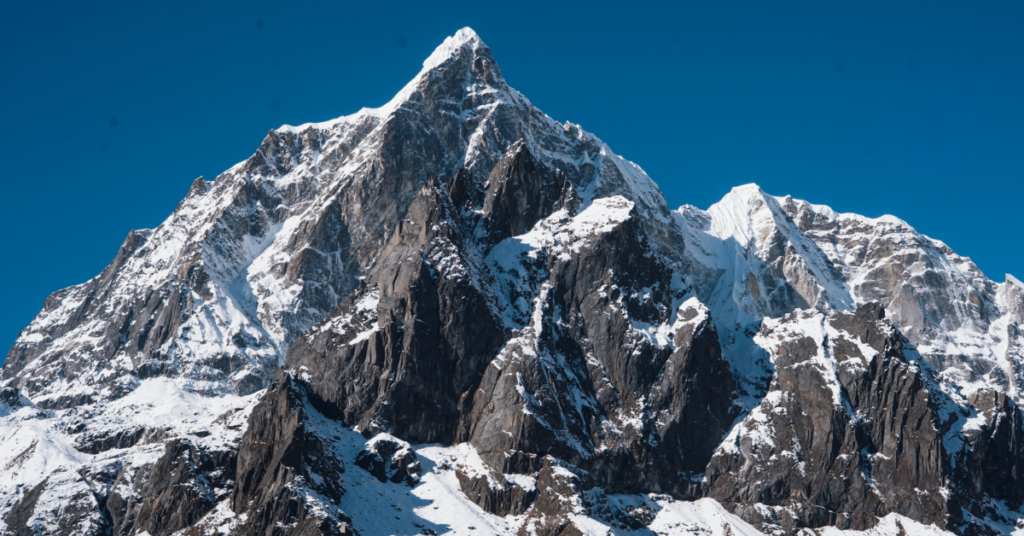
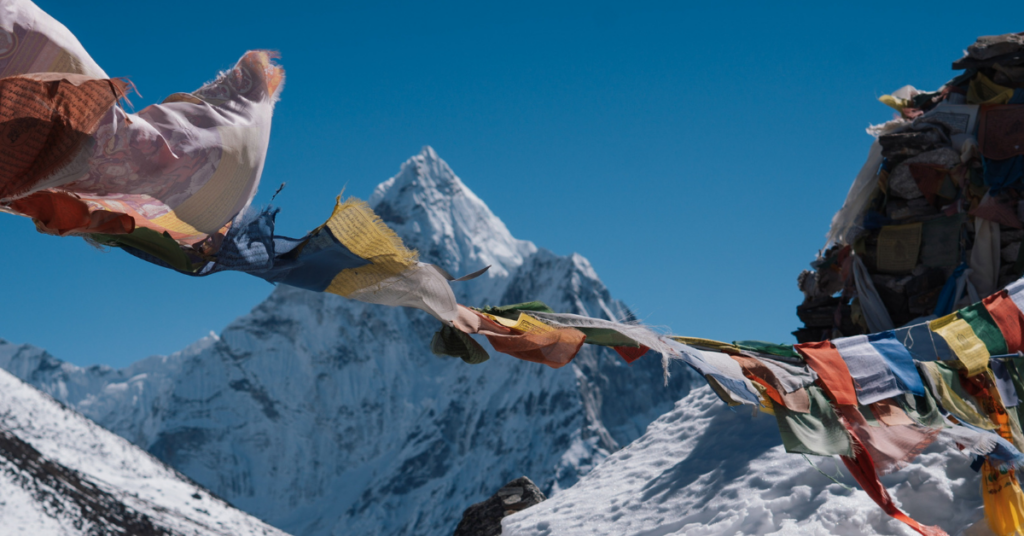
At base camp, we were surrounded by bright yellow expedition tents and strings of prayer flags flapping wildly in the wind. Real mountaineers were gearing up to climb one of the most technically challenging peaks in the Himalayas. It was surreal to witness an active base camp, knowing the level of skill required to summit Ama Dablam.
We started to feel altitude creeping in,that tightness in the chest, the deeper effort required just to breathe. It made the moment feel even more powerful.
Everest Base Camp: A Queer Celebration at 17,598 Feet
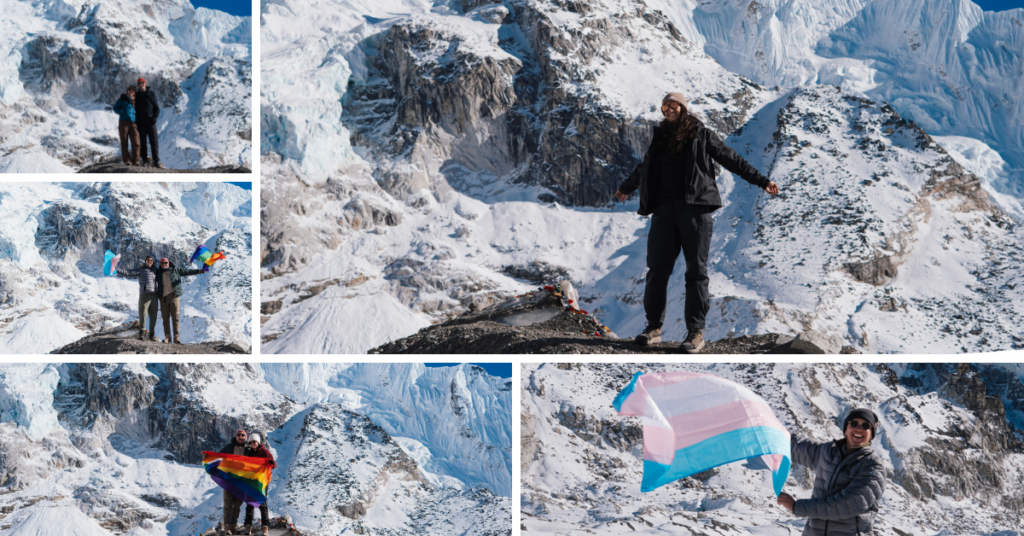
The air was cold and thin as we approached Everest Base Camp. Surprisingly, there were a lot of people there at first, but by the end of our 25 minutes or so, the crowd had thinned, partly because we arrived later in the day.
The vibe was pure excitement. You could feel it radiating from everyone.
Seeing the iconic “Everest Base Camp” rock was surreal. I had questioned my ability to make it more than once — sore hips, exhaustion, doubts — and suddenly there it was. A goal I had been thinking about for years, right in front of me.
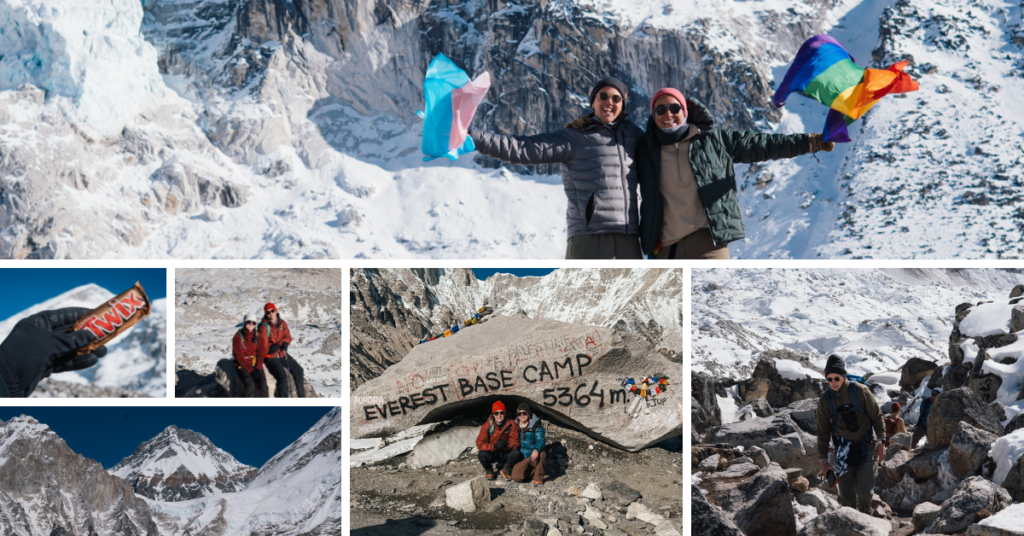
Our guides handed out celebratory candy bars. We unfurled the Pride and Trans flags. Watching them wave in front of the Khumbu Icefall, a place I’d seen in countless documentaries. It felt so special.
Even though it wasn’t climbing season, and camp was quiet, the accomplishment still felt huge.
The Journey Down: Tired, Proud, and Ready for a Shower
By the time we started our descent, we were wiped out. It had been days without a shower, we were dreaming of western toilets, and our bodies were feeling every mile.
But spirits were high because we knew: we were going to make it.
Well until one person got a sneaky sickness. But again, the group rallied trekkers, guides, everyone. We supported each other, kept moving as a team, and brought the whole group down safely.
We each carried out one kilo of recycling as part of the Carry Me Back project, which felt like a small way to honor the mountains that carried us.
In total, we covered about 81 miles together.
We shared dozens of meals, a million inside jokes, and moments we’ll remember forever.
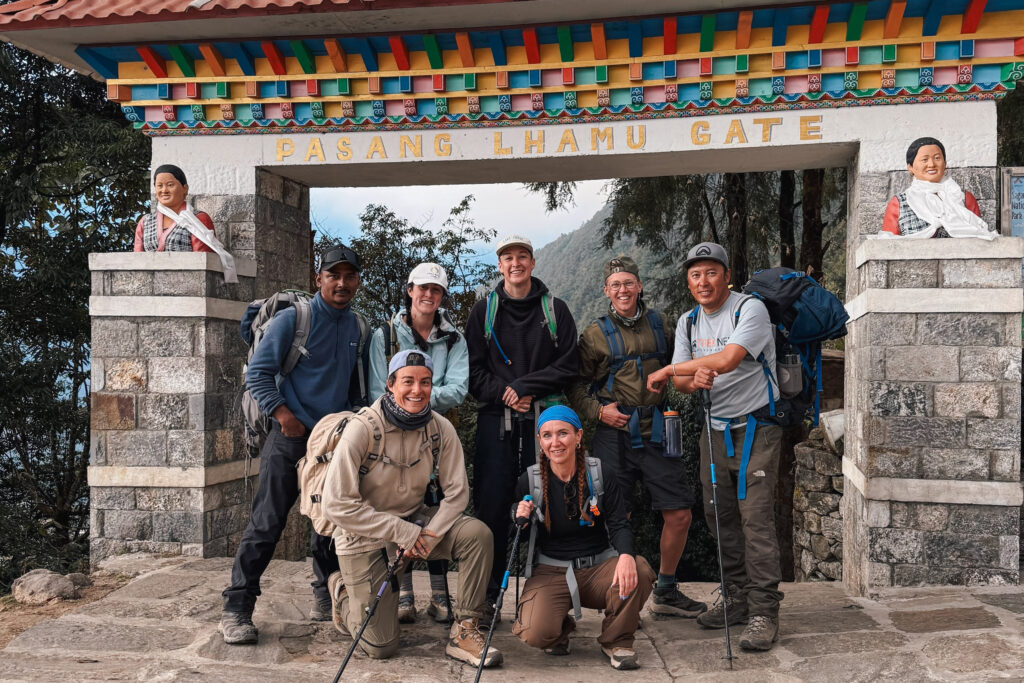
This trek pushed all of us.
But there is no world in which I’d want to do it with anyone else.
This queer, kind, hilarious, resilient group made it so much more than a trek.
It was a community in motion.
It was joy and struggle shared.
It was unforgettable.