One of the WNBA’s best players is still without a team days before training camp. The reason has everything to do with her voice.
Natasha Cloud is still without a team just days before WNBA training camp. One of the league’s best players is still unsigned. The reason has everything to do with her voice.
Everyone is asking where Natasha Cloud is going to land. No one is asking why she hasn’t landed anywhere at all.
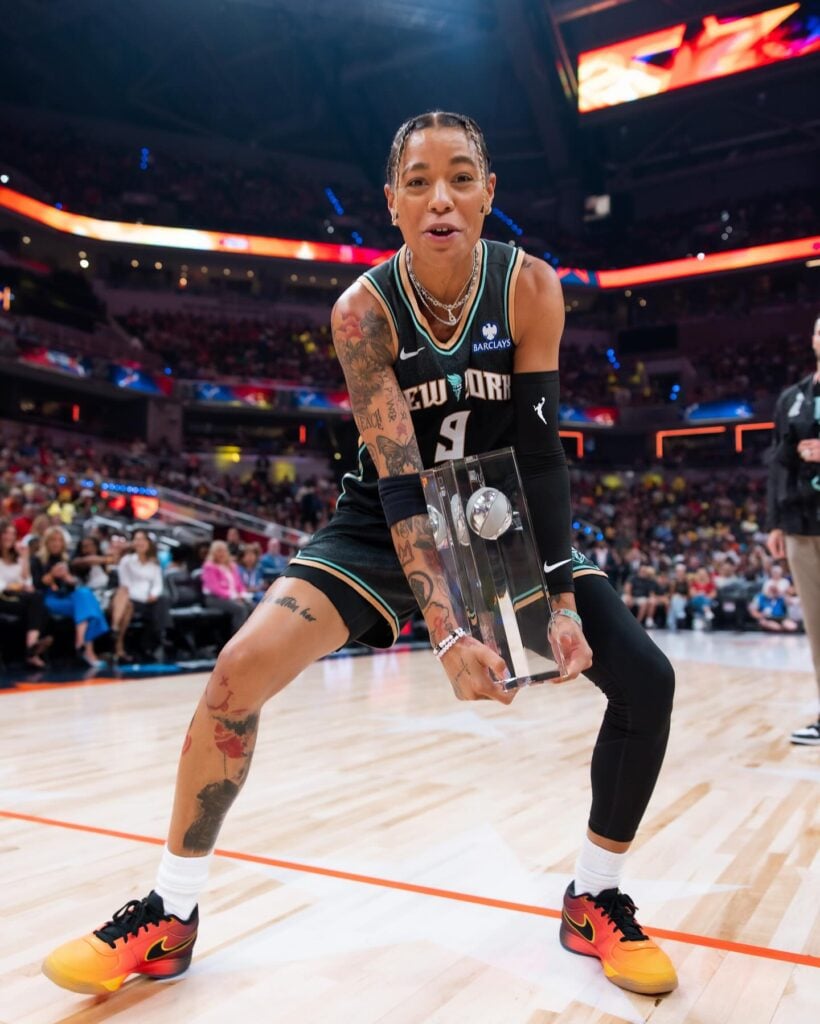
With the draft complete, training camp is days away. Rosters are nearly set. And one of the best guards in the WNBA is still unsigned. That does not happen. Not to players of her caliber. Not this close to camp. Not without a reason.
Natasha Cloud’s Advocacy Has Always Been Central to Her Career
Natasha Cloud is not just a veteran point guard. She is a champion, a proven leader, a Black Queer woman, and one of the most recognizable players in the league. She is also one of its most outspoken. And right now, those two facts cannot be separated.
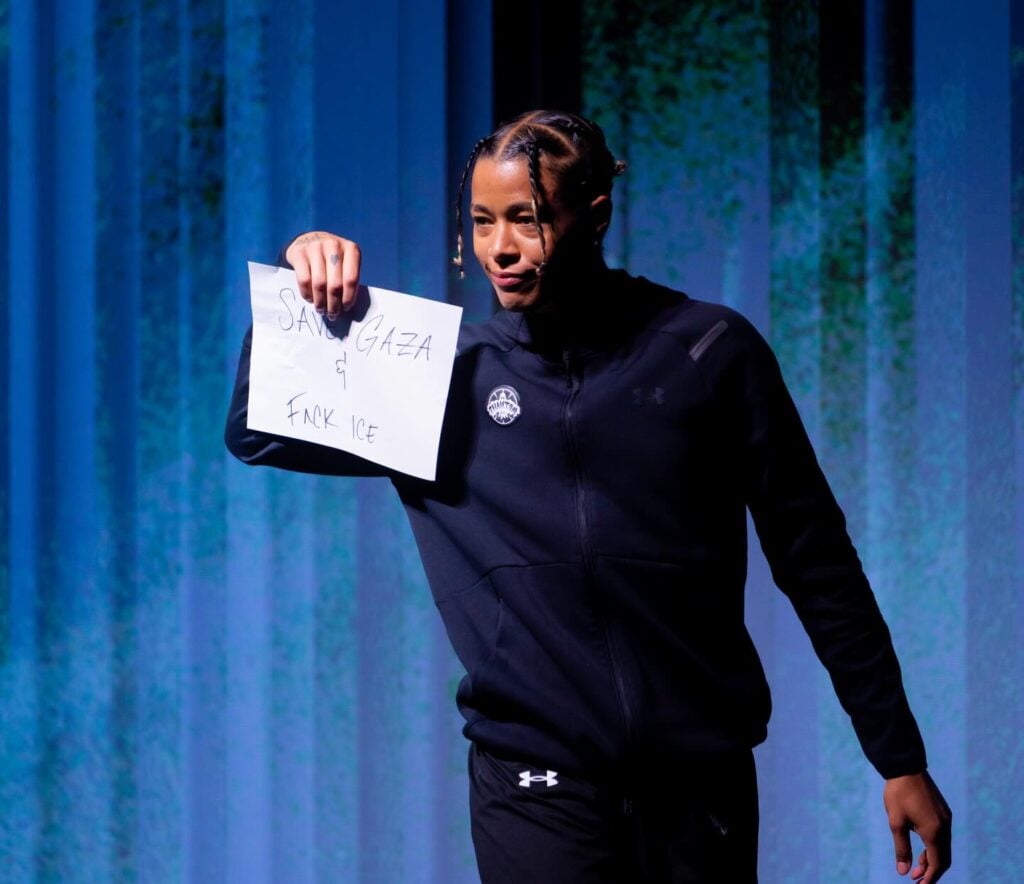
Cloud has been a consistent and unapologetic advocate throughout her career. She sat out a season to focus on social justice work. She has spoken out on policing, on racial inequality, and more recently, she has been one of the most visible voices in the WNBA speaking in support of Palestine. That level of clarity and conviction has made her a leader far beyond the court. It has also made her a target.
Call it what it is. One of the best players in the WNBA is still unsigned days before training camp because she is one of the league’s most outspoken advocates. That is not a coincidence. That is consequence.
The WNBA Was Built on Black Queer Women
The WNBA has always been different. It was built by Black women. It was built by queer women. It was built by players who understood that their platform extended beyond basketball and used it accordingly. That is not a side note in the league’s history. It is the foundation of its identity and the reason so many people feel connected to it now.
That identity is also part of why the league is growing. The WNBA’s cultural relevance, its fan loyalty, and its recent surge in attention are tied to the fact that its players are not silent. They are visible, political, and rooted in their communities. They have never just been athletes. They have always been more.
And yet, what is happening with Natasha Cloud suggests that there are limits to that “more.”
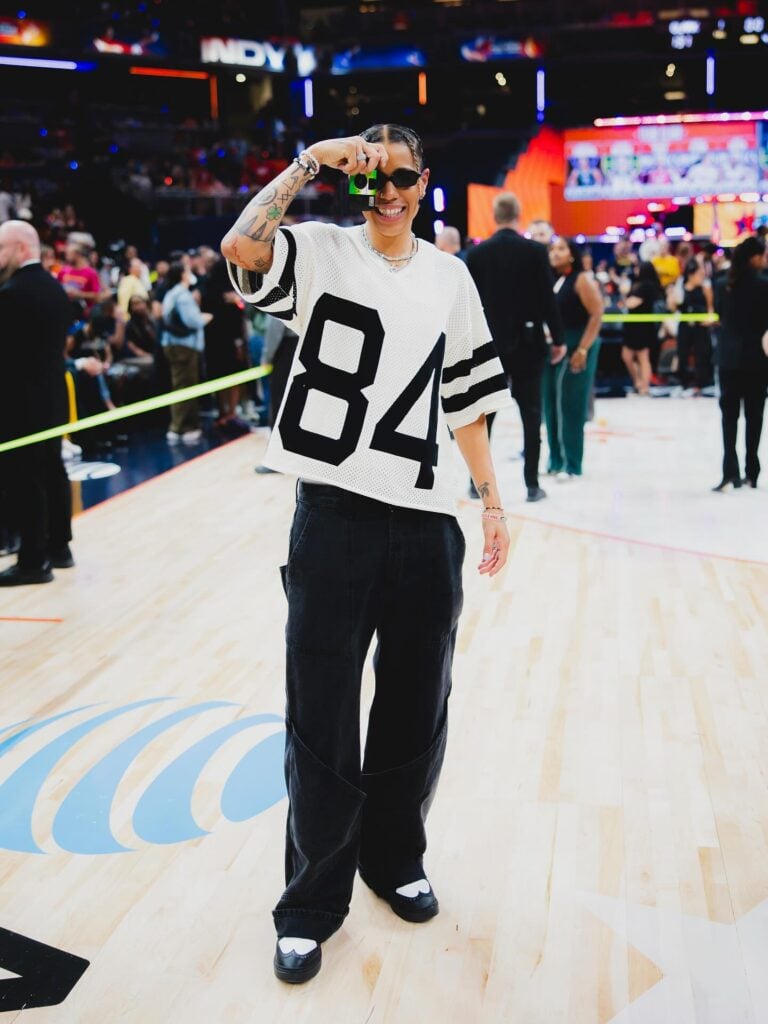
Because even if she signs tomorrow, the point has already been made. The delay itself is the message. It tells players exactly how far they can go before there are consequences. It tells them which issues are acceptable to speak on and which ones are not. It tells them that being vocal can cost you, even if you are one of the best at what you do.
For a league that owes so much of its identity to Black queer women who refused to be silent, this moment matters. Not just because of what is happening to Natasha Cloud, but because of what it signals to everyone else watching. To the players who built this league. To the players sustaining it now. And to the fans who were drawn to it because it felt different.
The question is not where Natasha Cloud will end up. The question is what kind of league the WNBA is choosing to be as it grows.
Because you cannot build a league on the visibility and courage of Black queer women and then punish them for embodying it.