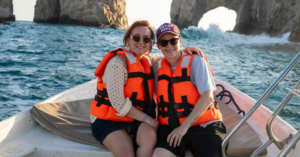
When Azzi Fudd was selected No. 1 overall in the 2026 WNBA Draft, she joined more than just a team. She stepped into a legacy that has been shaping the WNBA for decades.
With her selection, Fudd becomes the 13th LGBTQ player to be drafted No. 1 in WNBA history. It’s a number that might stand out at first, but it reflects something that has long been true about the league. WNBA LGBTQ players have consistently been among the most impactful, recognizable, and successful athletes in the game, even in moments when that visibility was not fully embraced or publicly acknowledged.
The WNBA Has Always Been LGBTQ, and Visibility Has Caught Up
The WNBA launched in 1997 at a time when being openly gay in professional sports came with real risk. Early marketing leaned into heteronormative ideals, presenting players in ways that felt more aligned with traditional expectations than authenticity. For many athletes, being out publicly was not something that felt possible while actively playing, as careers, endorsements, and public perception were all on the line.
Even within those constraints, LGBTQ players were already dominating the league and shaping what success looked like at the highest level. Over time, that reality became harder to ignore. Players started coming out earlier, fans became more vocal, and the league itself began to evolve in meaningful ways. In 2014, the WNBA launched WNBA Pride nights, becoming the first professional league to establish a consistent, league-wide initiative supporting LGBTQ players and fans.
Today, that evolution is tangible. The league’s new CBA includes family planning benefits that reflect and support LGBTQ players, signaling a level of institutional support that did not exist in the early years. The league did not suddenly become LGBTQ. It always was. Now, it is visible.
How Many WNBA No. 1 Draft Picks Are LGBTQ
From 1997 to 2026, 13 No. 1 overall picks in the WNBA have publicly identified as LGBTQ. That list includes MVPs, champions, Olympic gold medalists, and players who have defined entire eras of the league.
Below is the full list of LGBTQ No. 1 picks in WNBA history.
Every LGBTQ No. 1 Pick in WNBA History
1999
Chamique Holdsclaw (Washington Mystics)
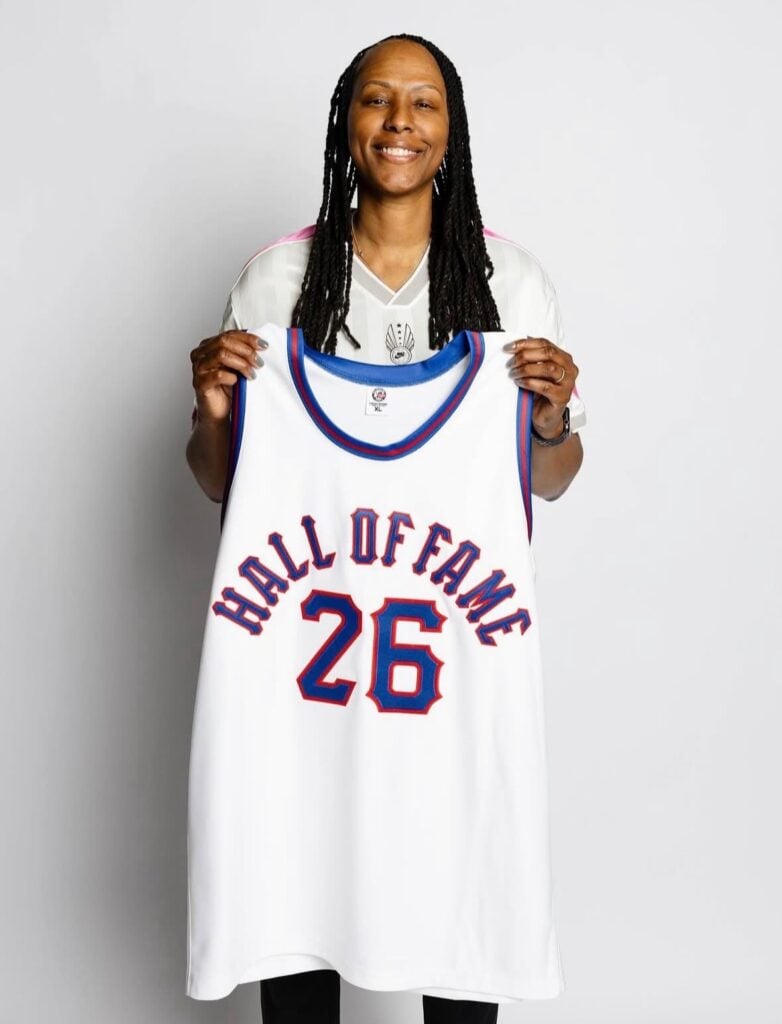
Just two years after the league launched, Holdsclaw became the first LGBTQ player drafted No. 1 and immediately made her mark. She was named Rookie of the Year, went on to become a six-time All-Star, and won Olympic gold in Sydney. As one of the league’s earliest stars, she helped define what success in the WNBA could look like.
2000
Ann Wauters (Cleveland Rockers)
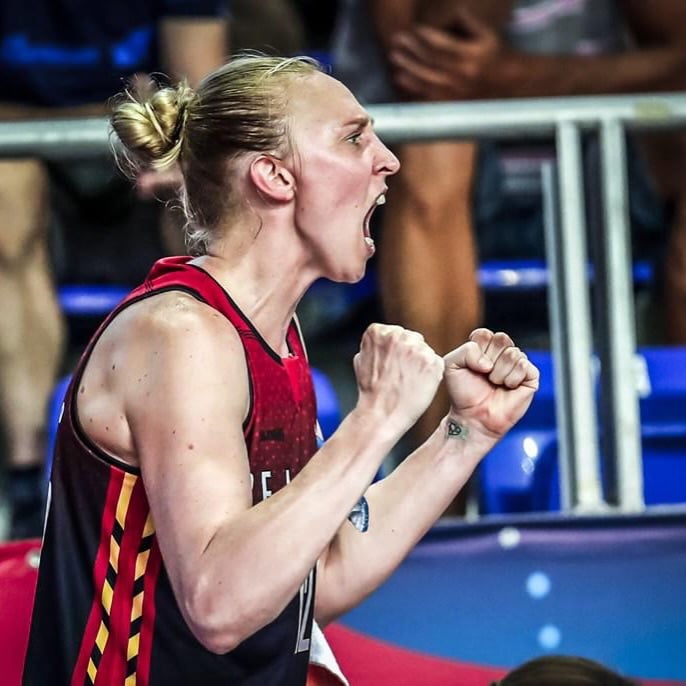
Wauters built an international career at a time when being out was not widely accepted, often choosing to keep her identity private depending on where she played. A dominant center and now a coach, she represents a generation of players who navigated the league before it fully supported LGBTQ visibility.
2002
Sue Bird (Seattle Storm)
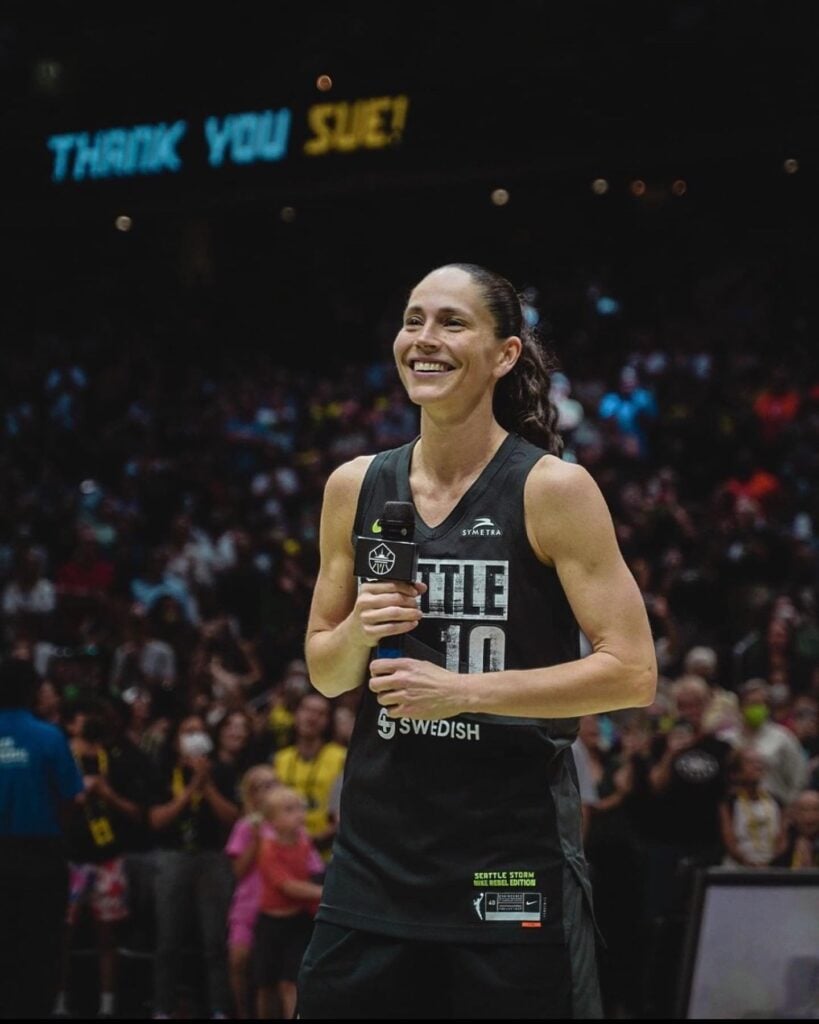
A four-time WNBA champion and one of the most iconic players in league history, Bird defined an era in Seattle with her leadership and longevity. She came out publicly later in her career, and her relationship with Megan Rapinoe helped position her as one of the most visible and influential LGBTQ athletes in sports.
2004
Diana Taurasi (Phoenix Mercury)
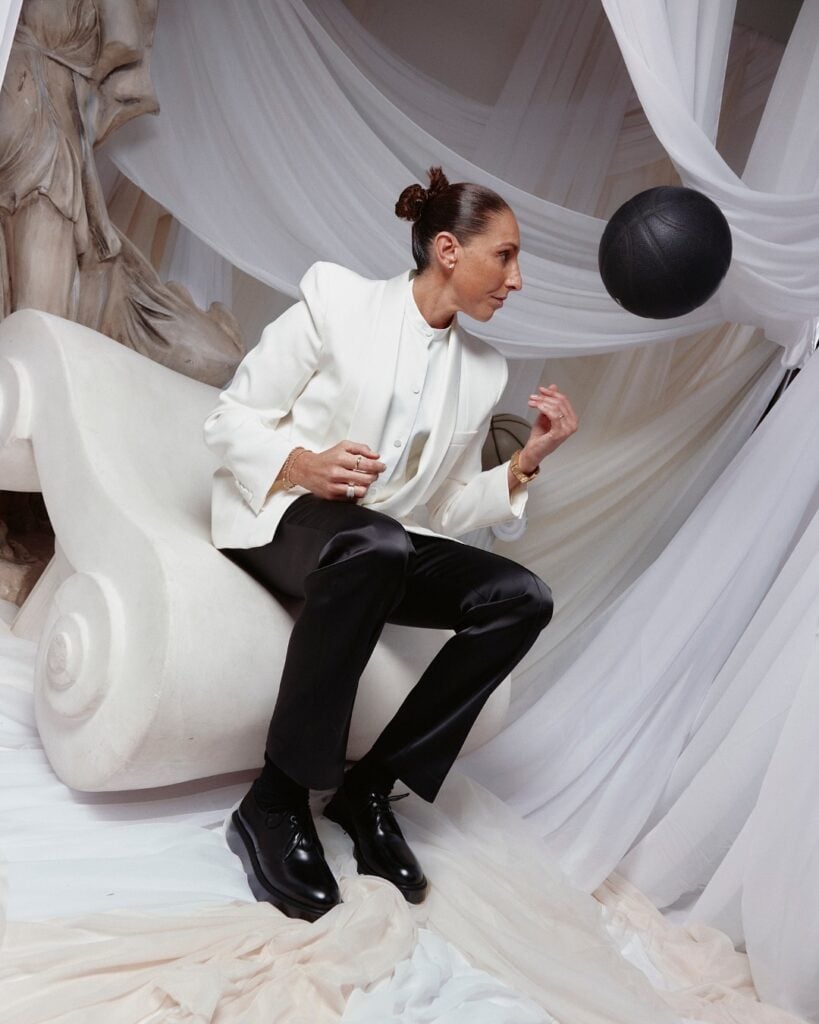
The WNBA’s all-time leading scorer and one of the greatest players the game has ever seen, Taurasi has built a career defined by dominance. A three-time champion and multiple-time Olympic gold medalist, she later publicly shared her marriage to Penny Taylor, bringing her personal life into view after years at the top of the sport.
2005
Janel McCarville (Charlotte Sting)
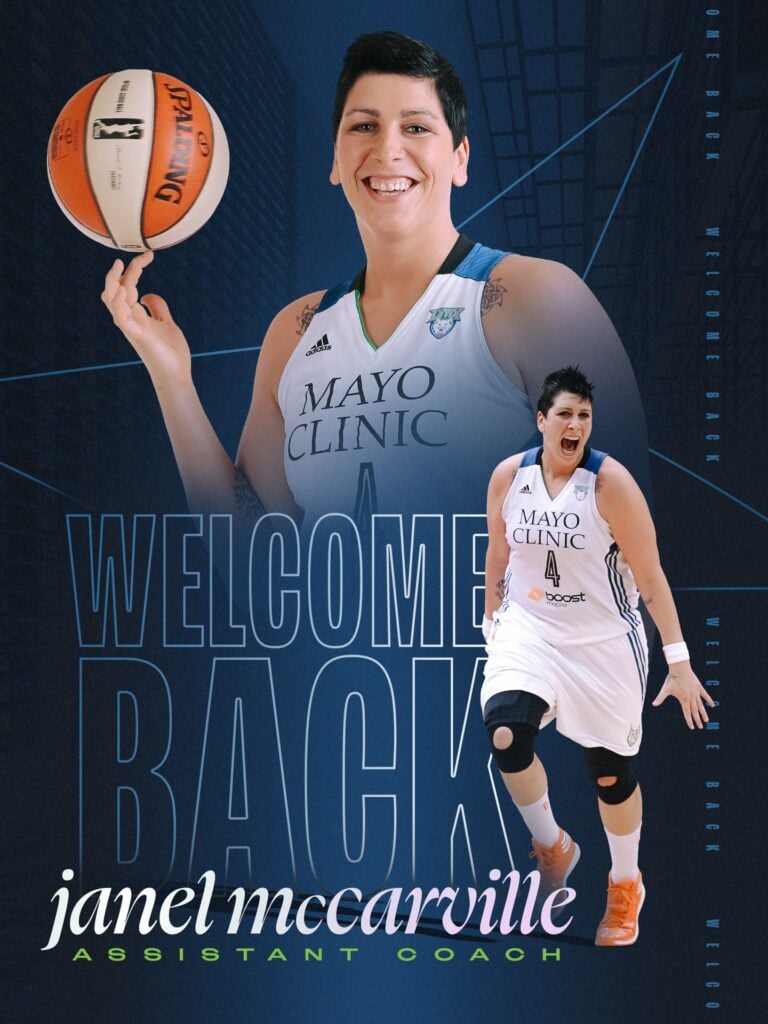
McCarville brought consistency and versatility to every team she played on, including the Minnesota Lynx championship roster in 2013. While not always in the spotlight, her career reflects the depth and importance of LGBTQ players across the league.
2006
Seimone Augustus (Minnesota Lynx)
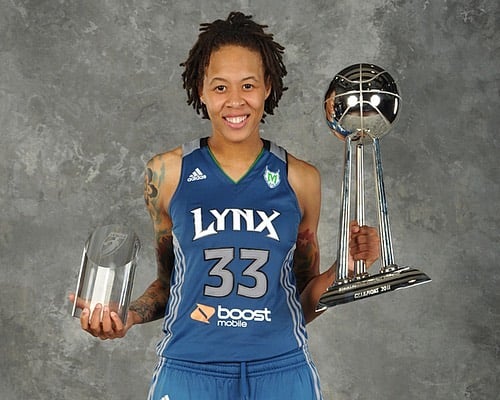
A four-time WNBA champion and a central figure in the Lynx dynasty, Augustus was one of the most respected players of her era. She came out publicly in 2012, becoming part of a growing wave of athletes beginning to share their identities more openly.
2008
Candace Parker (Los Angeles Sparks)
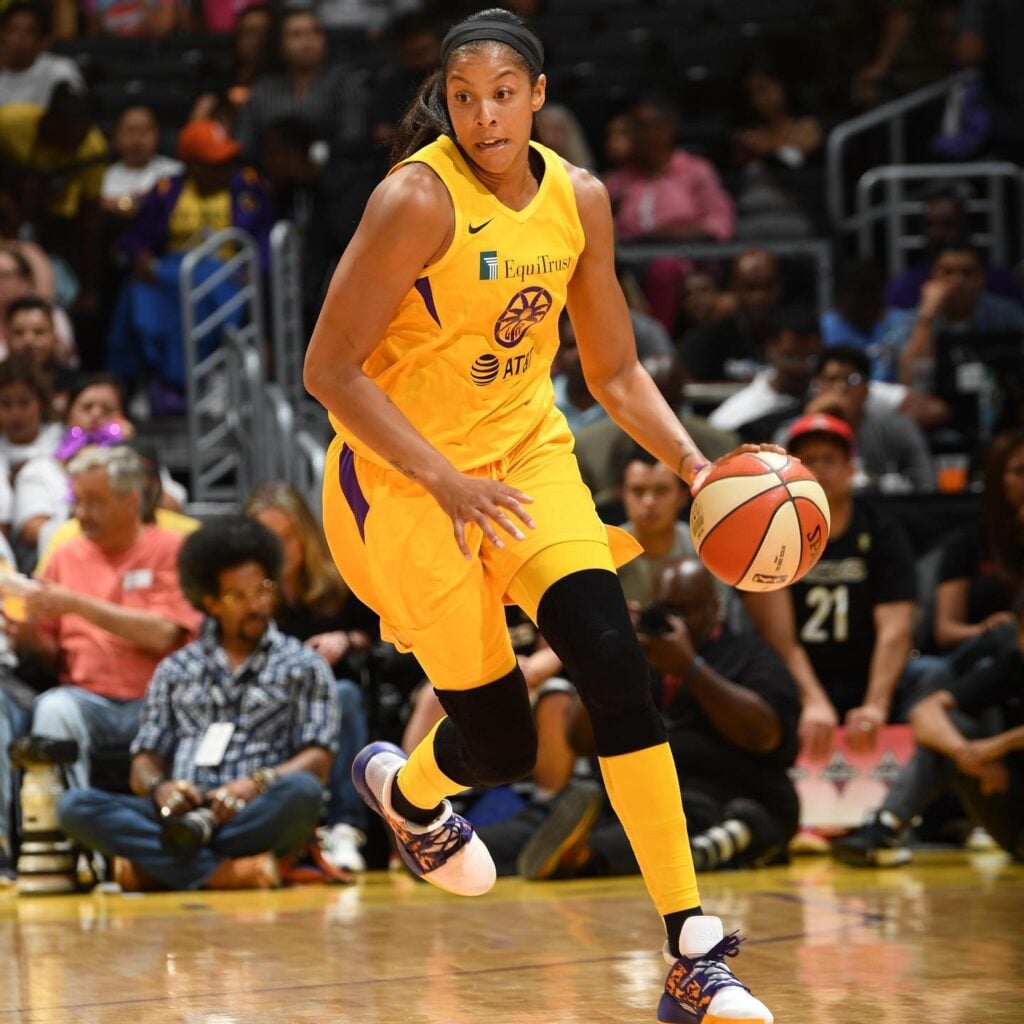
Parker’s career speaks for itself. A three-time WNBA champion, two-time MVP, and one of the most recognizable faces in women’s basketball, she later shared her marriage to Anna Petrakova. Her influence extends beyond the court, helping bring new audiences into the sport.
2009
Angel McCoughtry (Atlanta Dream)
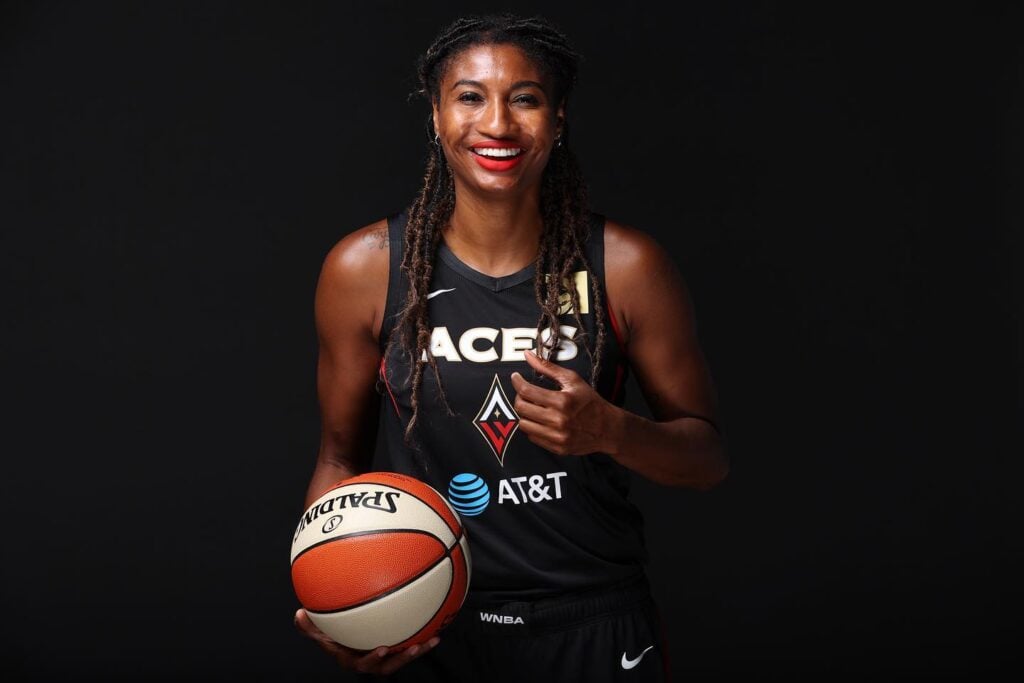
A five-time All-Star and Olympic gold medalist, McCoughtry was one of the most dynamic scorers of her generation. Her presence on this list reinforces how consistently LGBTQ players have been among the league’s top talent.
2013
Brittney Griner (Phoenix Mercury)
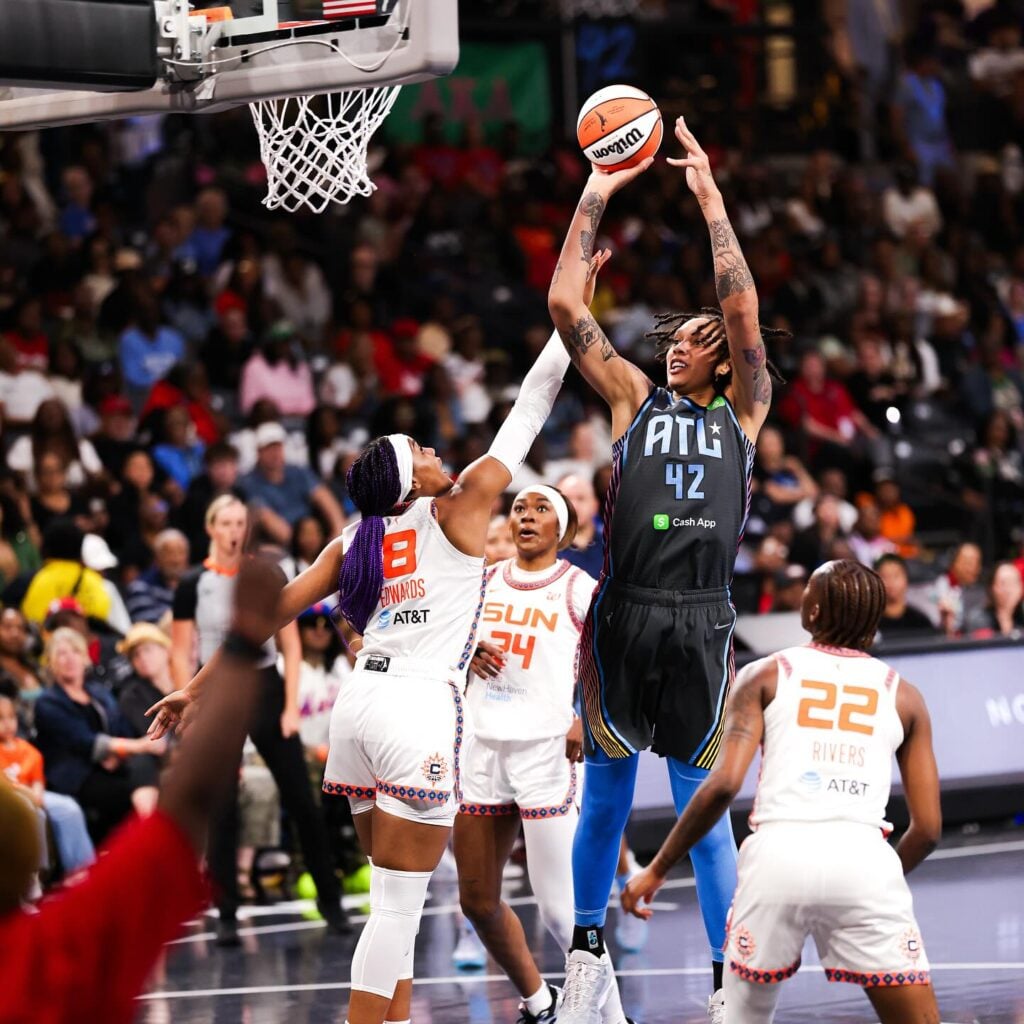
Griner entered the league as a generational talent and one of the most visible LGBTQ athletes in sports. Her draft night three-piece suit and later partnership with Nike’s menswear line became defining moments for masc-presenting athletes in the public eye. A champion, Olympic gold medalist, and global figure, her impact extends far beyond basketball.
2015
Jewell Loyd (Seattle Storm)
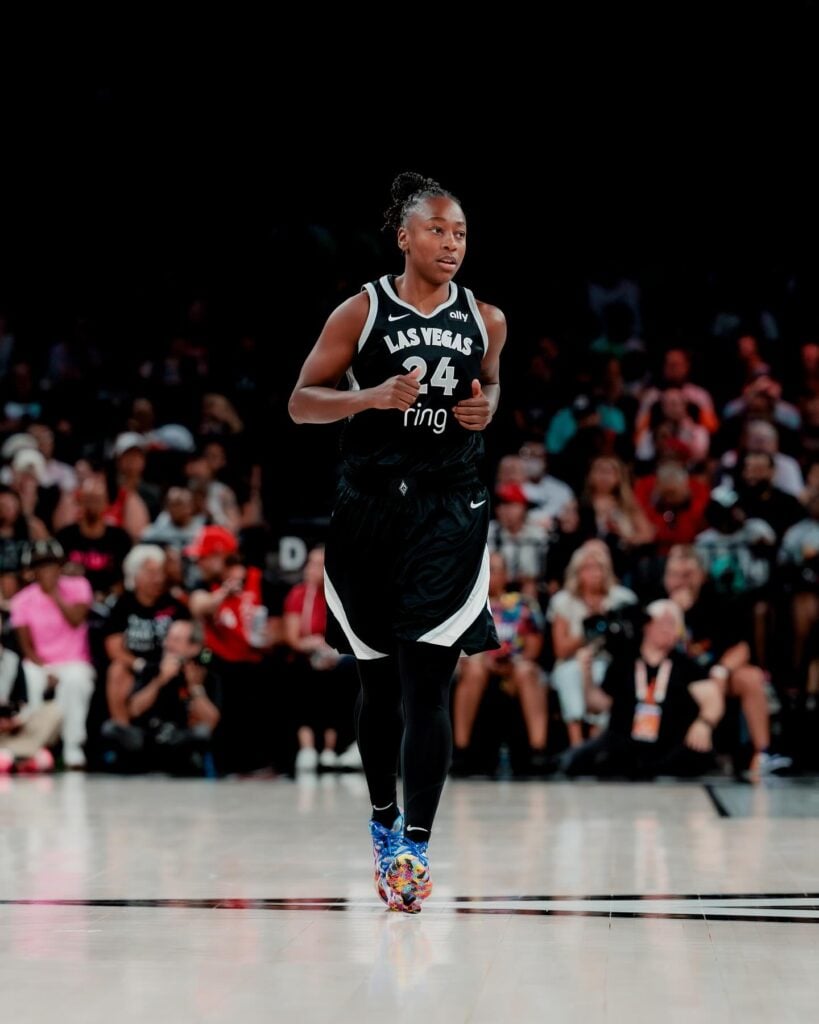
Loyd has been a steady and reliable force for the Seattle Storm, contributing to championship teams and establishing herself as one of the league’s most consistent guards. She represents the continued pipeline of LGBTQ talent entering and thriving in the league.
2016
Breanna Stewart (Seattle Storm)
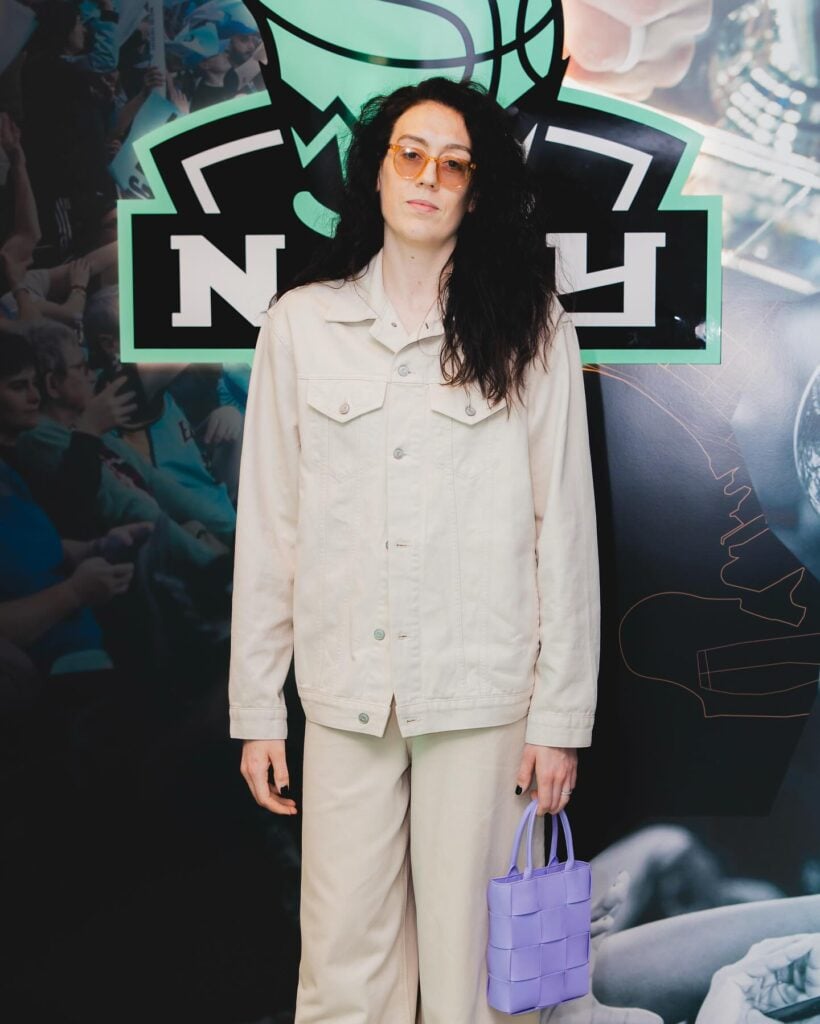
A multiple-time MVP and WNBA champion, Stewart has dominated at every level of the game. Off the court, she has been open about her marriage to Marta Xargay and their family, representing a generation of players who are fully visible in both their personal and professional lives.
2025
Paige Bueckers (Dallas Wings)
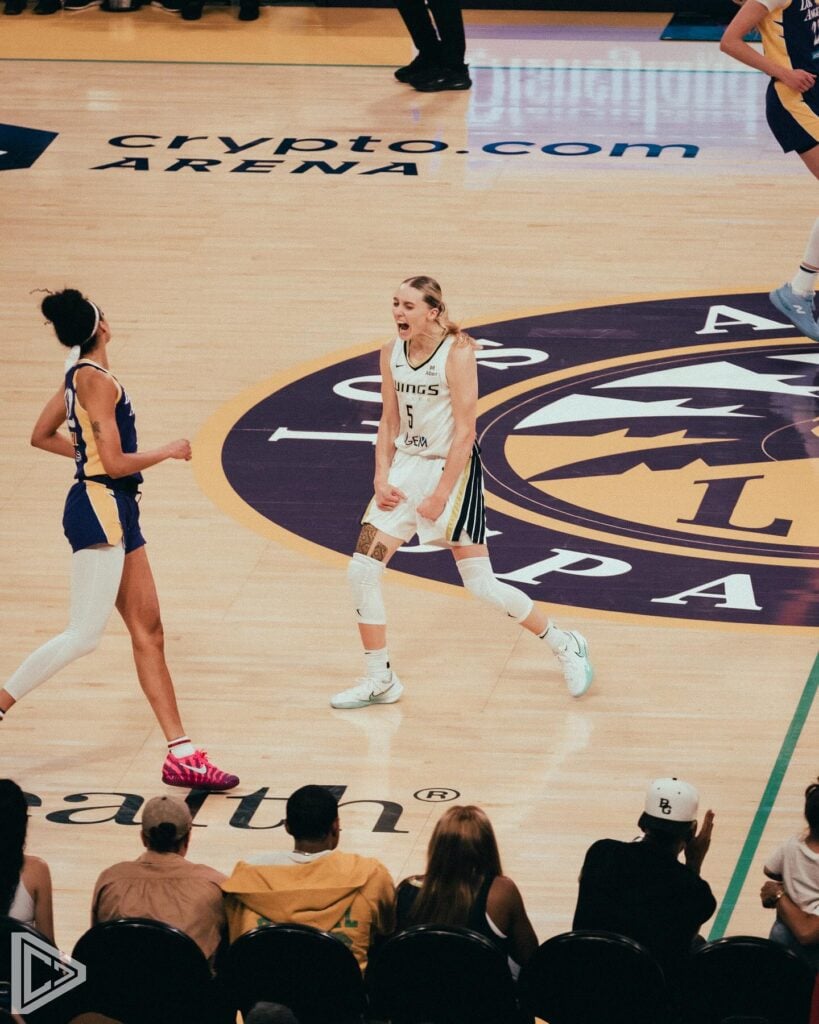
Bueckers entered the league as one of the most high-profile players of her generation, carrying a massive following from her college career. She confirmed her relationship with Azzi Fudd ahead of her WNBA debut, reflecting a shift toward younger players being visible earlier and more openly.
2026
Azzi Fudd (Dallas Wings)
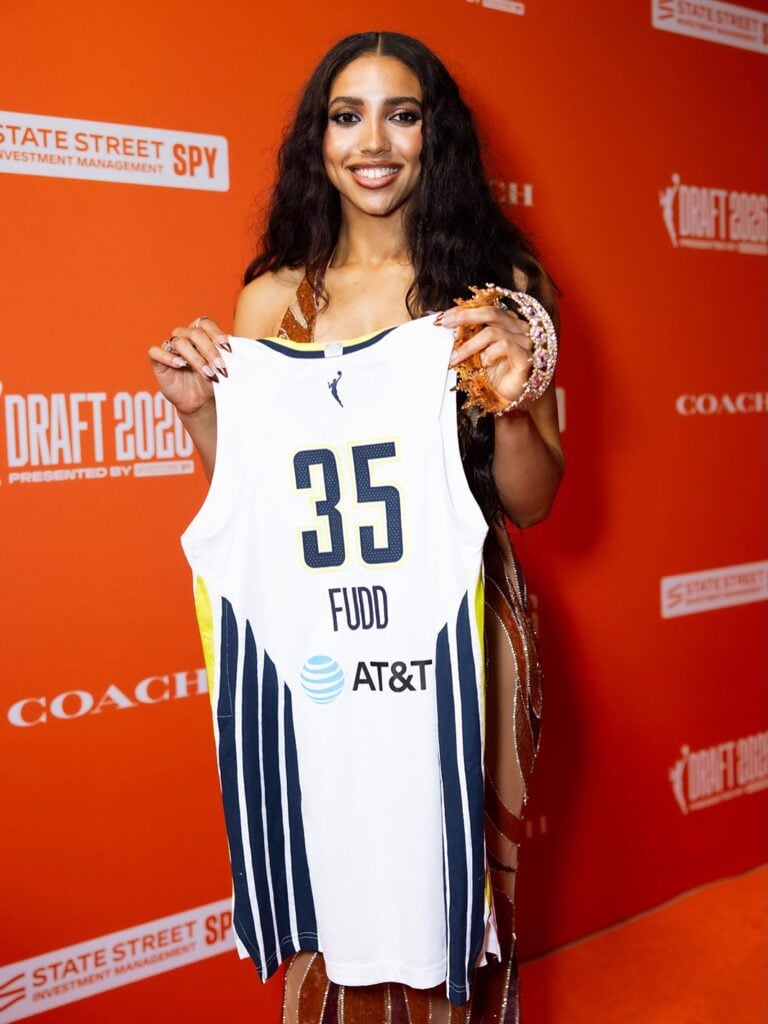
Fudd enters the league as one of the most anticipated players in recent years and as part of a generation that is fully out from the start. Her selection continues a legacy that has been building for decades, one where LGBTQ players are not just present in the WNBA but consistently leading it.
This Isn’t New. It’s Just More Visible Now
This is not a new trend. It is a clearer picture of something that has always been true.
LGBTQ players have not just been part of the WNBA. They have consistently been among its best. What has changed is the ability for players to show up fully as themselves from the beginning of their careers without fear that it will impact their opportunities, their sponsorships, or their place in the league.
That visibility matters, and you can feel it in the way fans show up. It is present in packed arenas, in the rise of women’s sports bars, and in the energy around the league right now. There is a sense of recognition, a feeling that what is happening on the court reflects something bigger off of it.
Queer women have always been part of this story. Now, they are fully visible within it.