Lesbian video games are evolving, and quietly, they are becoming some of the most compelling spaces for queer storytelling right now.
For years, queer women existed in games as optional romance paths, background characters, or storylines that were easy to miss entirely. That is no longer the case. There is now a growing catalog of lesbian video games where sapphic and queer women’s stories are not just included, but fully centered, shaping the emotional core of the experience rather than sitting on the sidelines.
In many ways, this shift reflects a much longer history of queer visual storytelling, where artists have been documenting identity, community, and desire long before mainstream platforms made space for it. The mediums have changed, from photography to film to now interactive worlds, but the intention remains the same: to create spaces where we can see ourselves clearly.
What makes video games different is not just representation, but agency. You are not watching a story unfold from a distance. You are shaping relationships, making decisions that influence identity, connection, and outcome. And for many queer players, that level of participation creates something rare.
It turns visibility into something you can actually experience.
The Lesbian Video Games Everyone Should Start With
If you are new to lesbian video games, there are a handful of titles that define the space and set the tone for what this genre can be.
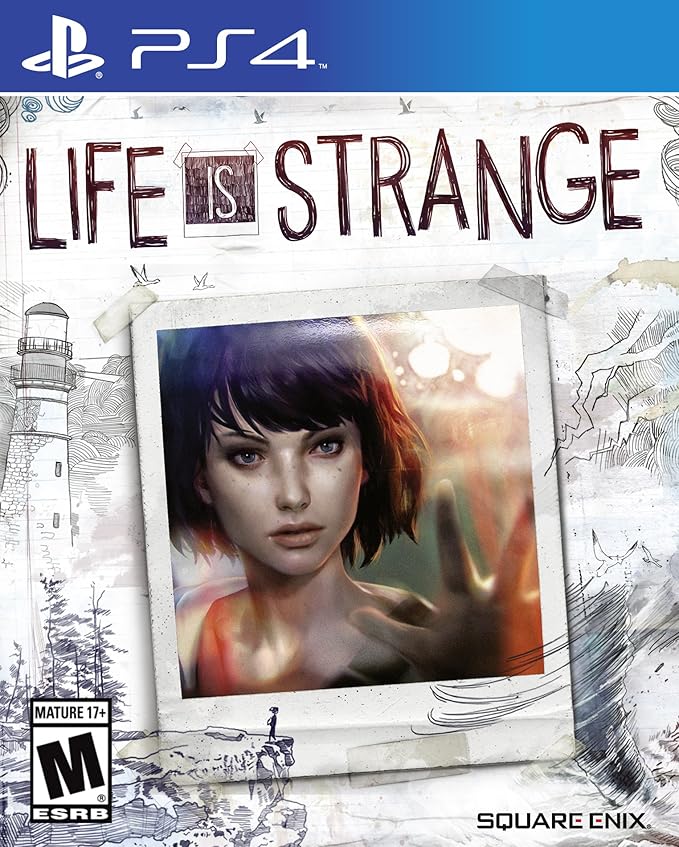
The Life Is Strange series remains one of the most influential examples, blending choice-driven gameplay with deeply emotional relationships between women. The original game and Before the Storm stand out in particular, offering a version of queer storytelling that feels layered, messy, and deeply human, with choices that shape not just the ending but the entire emotional arc.
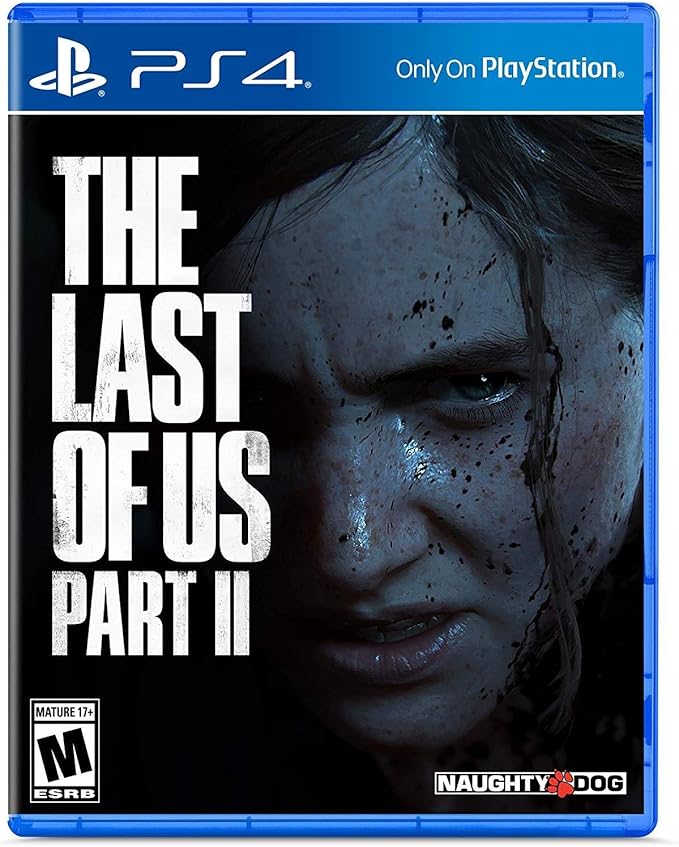
The Last of Us Part II brought lesbian representation into the mainstream in a way that few major studio games have managed to do. Ellie’s relationship with Dina is woven into a much larger story about survival and grief, but it never feels secondary. It is grounded, intimate, and treated with the same depth as any central narrative.
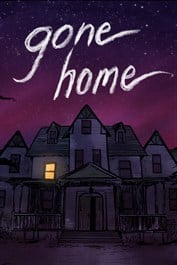
Gone Home takes a much quieter approach, but one that is just as impactful. As you move through a house, you piece together a deeply personal lesbian love story through objects, notes, and absence. There is no spectacle, no action, just discovery, and that is exactly what makes it work.
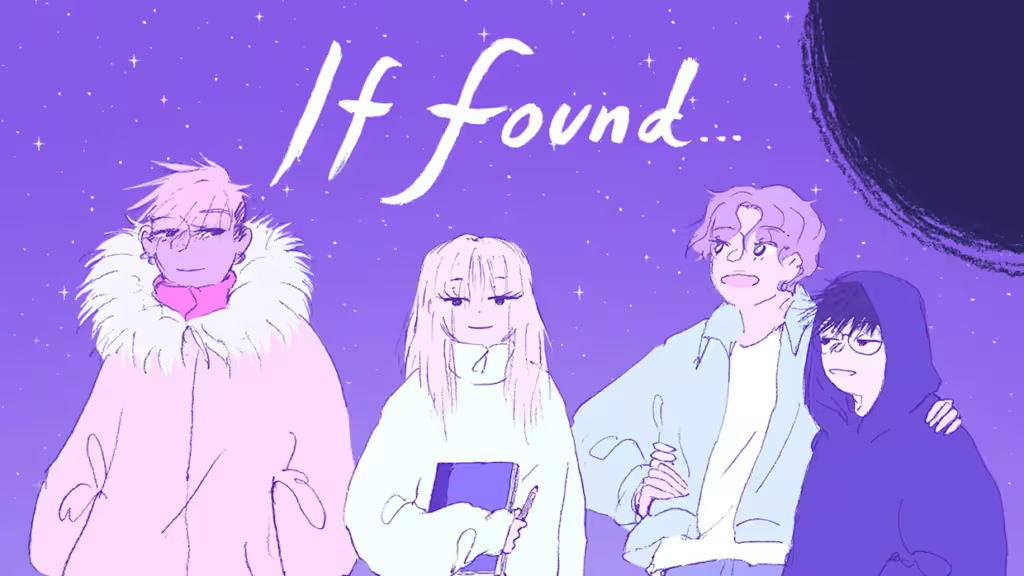
If Found leans into a more experimental format, using visual storytelling and interactive mechanics to explore identity, memory, and connection. It feels less like a traditional game and more like something you move through emotionally, with queer relationships at the center of that experience.
Indie Lesbian Video Games Are Where the Real Growth Is Happening
If you want to understand where lesbian video games are truly evolving, indie games are where the most interesting work is happening. What is happening in indie games mirrors a broader shift we are seeing across culture, where queer storytelling is expanding across mediums, from comics to video games, creating space for more specific, personal, and fully realized narratives.
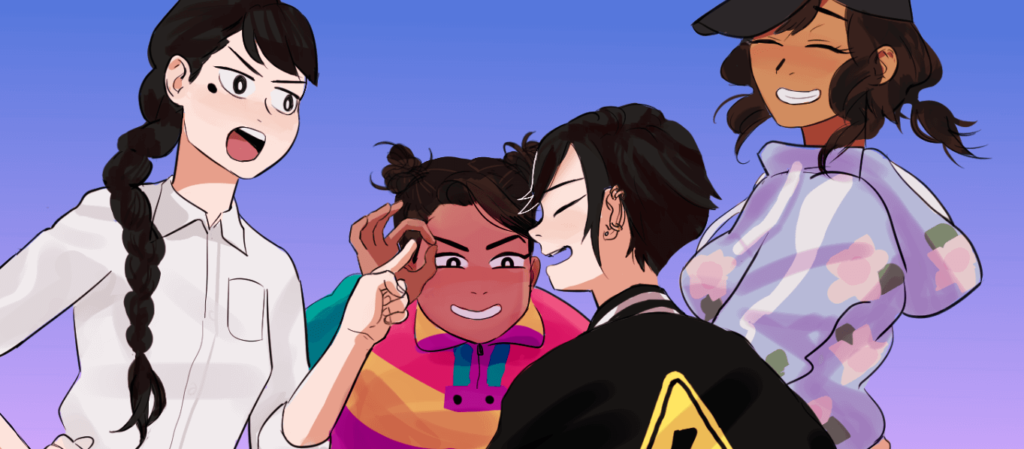
Butterfly Soup has become a cult favorite for a reason. It follows a group of queer Asian American girls navigating friendship and first love with a tone that feels honest, funny, and specific in a way that is rare across media. Its sequel builds on that foundation, offering more time with these characters and deeper emotional stakes, making it feel like a natural continuation rather than an add-on.

A Summer’s End: Hong Kong 1986 offers something quieter and more intentional. Set in a conservative environment, it tells the story of two women falling in love with a slow, deliberate pacing that allows the relationship to fully develop. The visual style is beautiful, but it is the emotional restraint that makes it memorable.
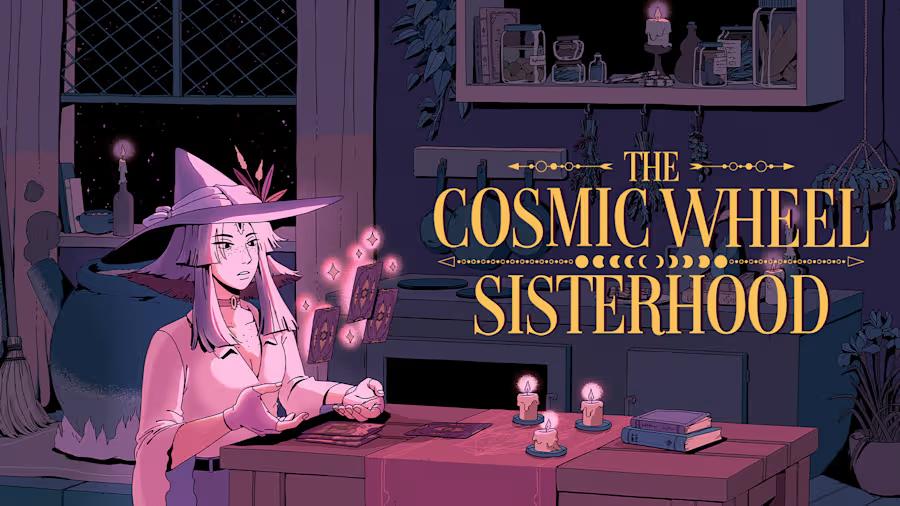
The Cosmic Wheel Sisterhood moves in a different direction, blending tarot mechanics with narrative storytelling to create a world where identity, power, and sapphic relationships intersect. It feels expansive but still deeply personal, giving players control over how those relationships unfold.

We Know the Devil and Heaven Will Be Mine take a more abstract approach, using surreal storytelling and heightened emotional tension to explore queer identity. They are not always linear or straightforward, but that is part of what makes them resonate. These are games that prioritize feeling over structure.
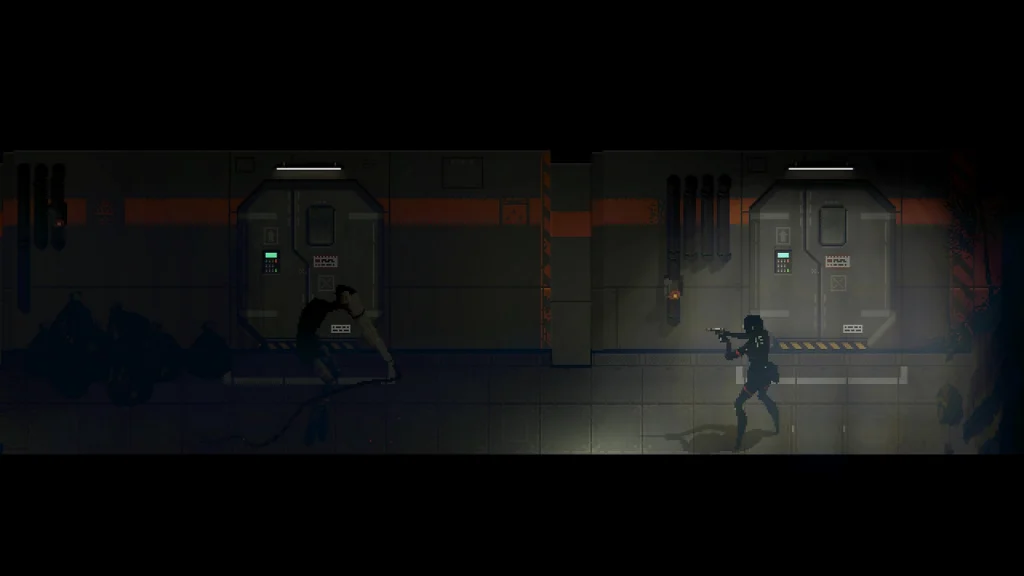
Signalis sits somewhere in between genres, combining survival horror with a deeply emotional core that has resonated strongly with sapphic audiences. While it is not explicitly marketed as a lesbian game, the central relationship has become a defining part of how players experience it.
Lesbian Dating Sims and Visual Novels Are Expanding Fast
One of the most noticeable shifts in this space is happening in dating sims and visual novels, where lesbian storytelling is not just included, but prioritized.
These games are often more direct in how they approach relationships, making them some of the most intentional spaces for sapphic narratives.

Later Daters stands out by shifting the typical structure entirely, placing romance in a retirement community and allowing players to explore queer relationships across different stages of life. It offers a perspective that is rarely seen, not just in games, but in media more broadly.
On the other end of the spectrum, Contract Demon is short, charming, and a little absurd, following a woman who accidentally summons a demon and ends up in a queer relationship with her. It is playful but still emotionally grounded.
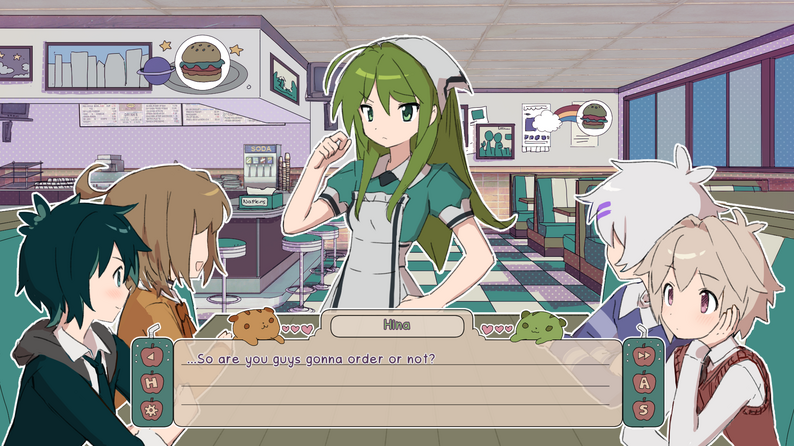
Just Kiss Her Already captures the awkwardness and anticipation of queer attraction, focusing on the tension of finally making a move. It is light, specific, and very recognizable.
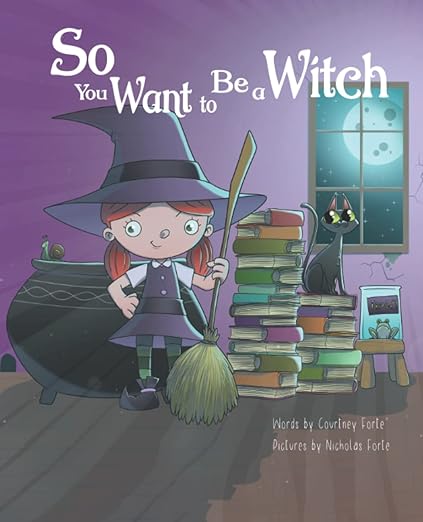
Witch You Want leans into a softer, more magical tone, allowing players to build relationships with a cast of witches in a cozy, low-stakes environment that still feels character-driven.
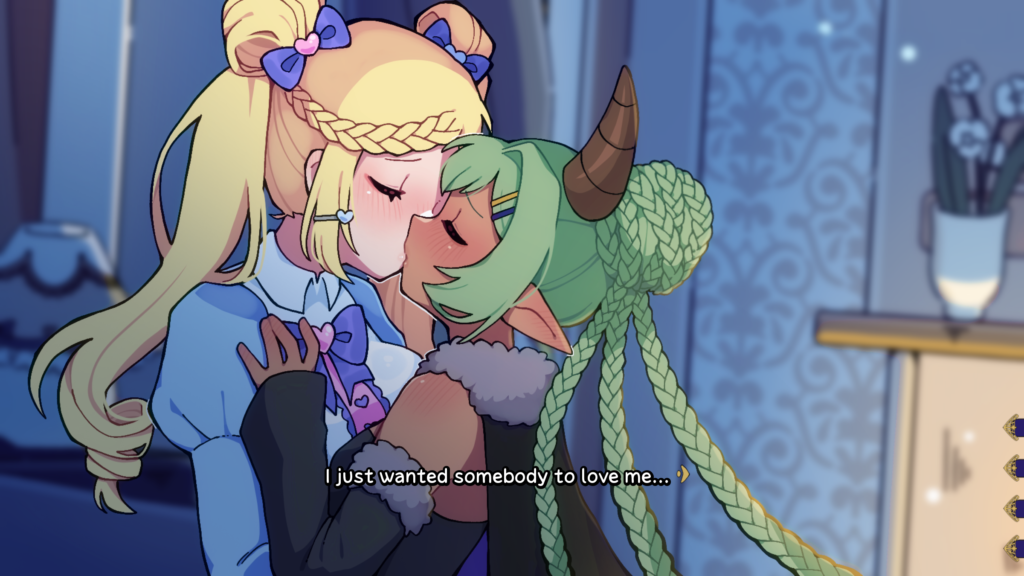
It Gets So Lonely Here moves in a more introspective direction, exploring longing and connection through a stylized, emotional lens that feels more like an interactive short story than a traditional game.
AAA Games Where You Can Play as a Lesbian or Queer Woman
While indie games are leading the way in terms of storytelling, larger studios are slowly expanding what representation looks like.
Baldur’s Gate 3 is one of the strongest recent examples, offering expansive role-playing with fully developed romance options that allow players to build meaningful relationships with female characters. These relationships are not surface-level. They are integrated into the story in ways that feel substantial.

The Dragon Age and Mass Effect series have been doing this longer than most, giving players the ability to shape both identity and relationships within large, narrative-driven worlds. For many players, these were some of the first games that allowed that kind of agency.
Assassin’s Creed Valhalla and Fallout 4 continue that trend, incorporating lesbian relationships into larger open-world experiences where identity is part of the environment rather than something separate from it.
Even a game like Stardew Valley, which appears simple on the surface, allows players to build a life and relationships with women in a way that feels natural and unforced. It is quiet representation, but meaningful all the same.
More Lesbian Video Games to Explore
If you want to go deeper, there is a growing list of lesbian and sapphic games that continue to expand what this space looks like.
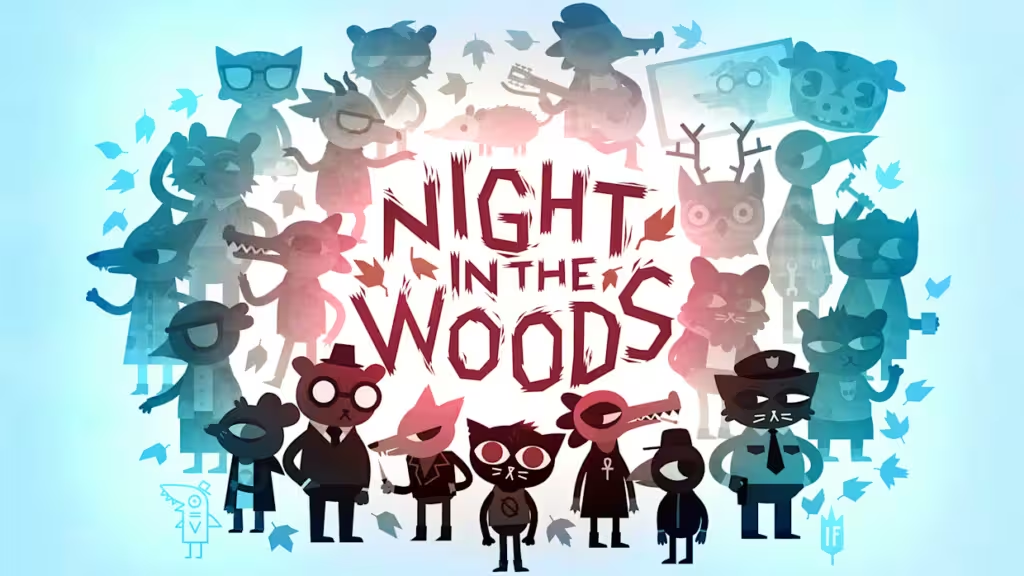
Night in the Woods offers a story about returning home and reconnecting with identity and community, with queer relationships woven naturally into the narrative.
Tacoma uses a sci-fi setting to explore the lives and relationships of a space station crew, revealing queer storylines through interactive discovery.
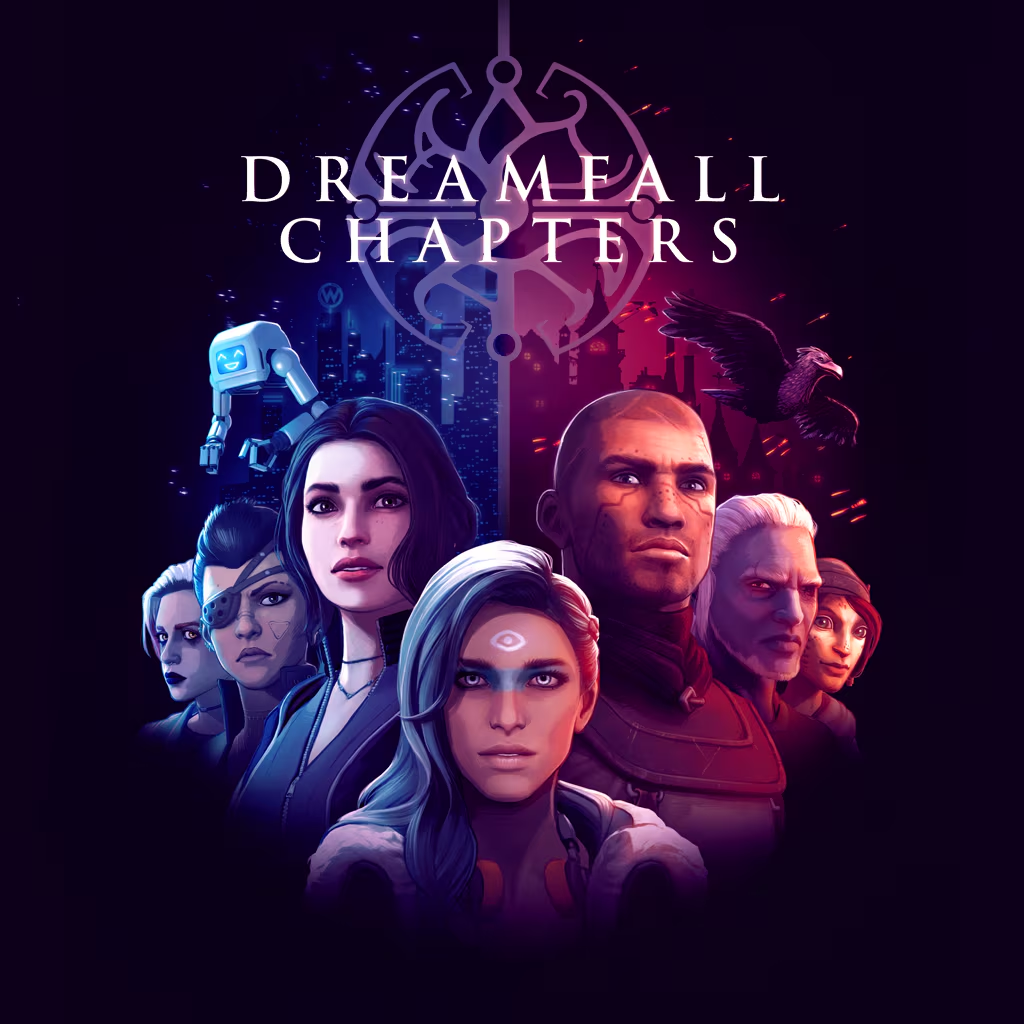
Dreamfall Chapters follows a queer protagonist through a layered narrative that blends fantasy and sci-fi, with a strong focus on character and connection.
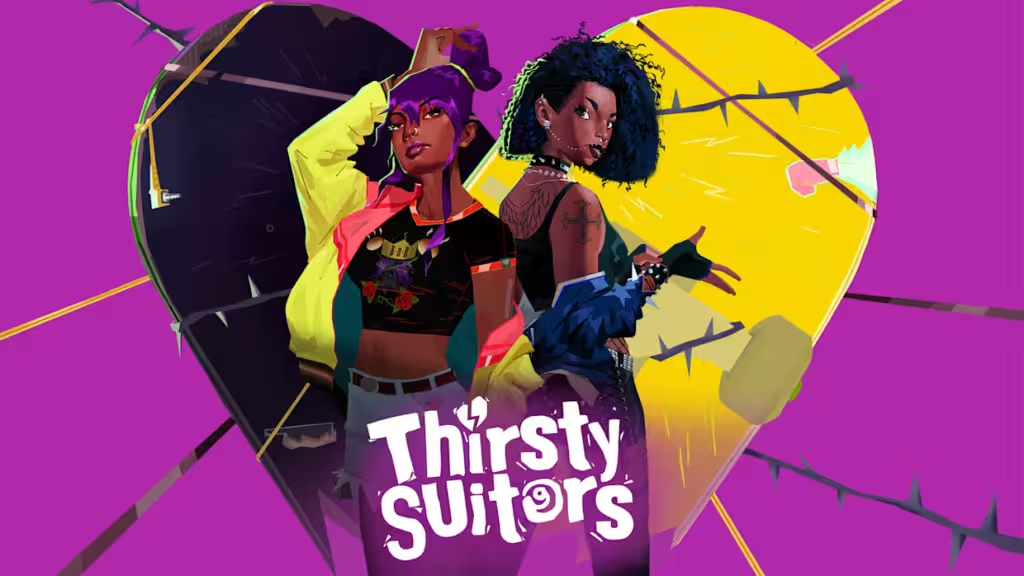
Thirsty Suitors brings together dating, skateboarding, and turn-based combat in a story that explores relationships, culture, and identity with a distinct visual style.
Unpacking takes a more subtle approach, telling a queer story through objects and space as you move through different stages of a character’s life.
Tell Me Why centers emotional storytelling and memory, featuring queer narratives that unfold through player choice and exploration.
Fire Emblem: Three Houses allows for relationship building between characters, including sapphic pairings, within a strategic, story-driven world.
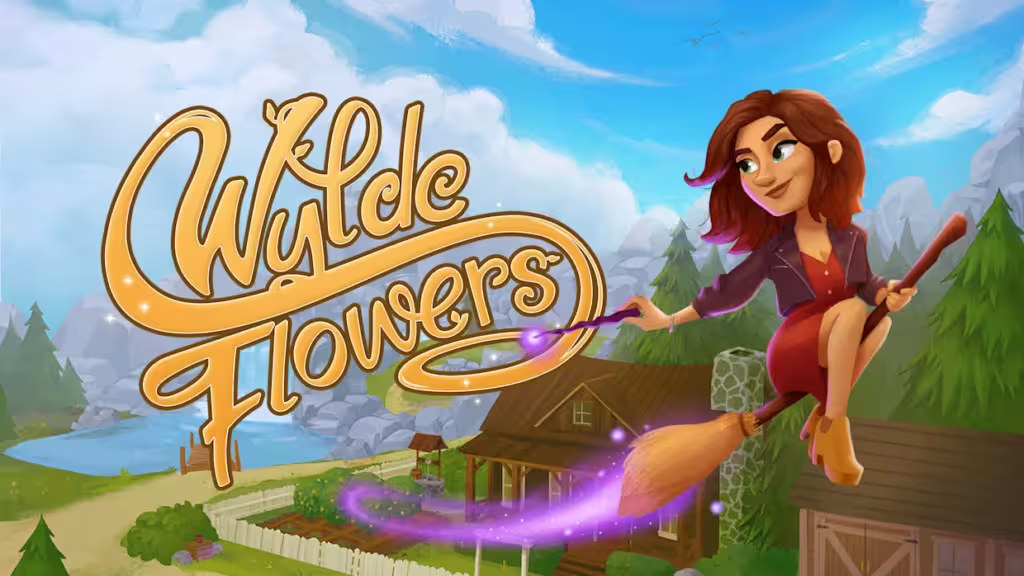
Wylde Flowers blends farming, magic, and storytelling into a cozy experience where relationships with women are part of a larger narrative.
Little Goody Two-Shoes mixes fairy tale visuals with darker themes and queer relationships, creating something that feels both nostalgic and unsettling.
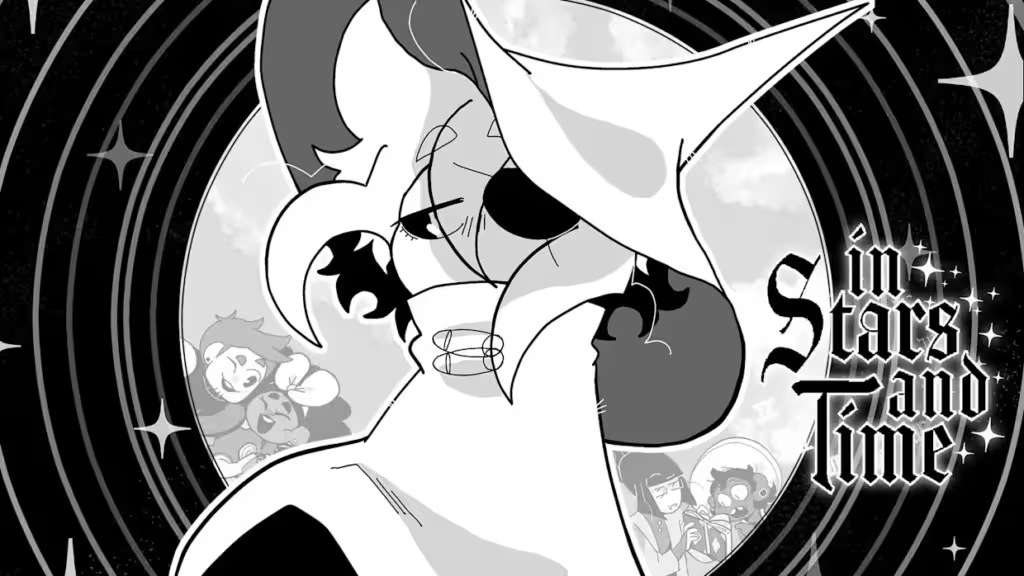
In Stars and Time uses a time loop structure to deepen character relationships, including queer dynamics that evolve as the story repeats and shifts.
Hardcoded offers a more explicit, adult-oriented narrative within a cyberpunk setting, centering queer relationships in a way that feels direct and unapologetic.
Why This Moment Feels Different
Queer characters have existed in games for years, but they were often easy to overlook.
What feels different now is how intentional these stories have become. Lesbian and sapphic narratives are no longer hidden behind optional dialogue or side content. They are being written into the core of the experience, shaping how stories unfold from beginning to end.
There is also simply more of it. More games, more creators, and more players actively seeking these stories out, which creates a feedback loop that continues to push the space forward.
It is not yet equal, but it is undeniably growing.
The Power of Playing Your Own Story
What makes lesbian video games so impactful is not just representation, but participation.
You are not watching a character fall in love from a distance. You are making choices that shape how that relationship develops, deciding what kind of story unfolds and how it ends.
For queer players, that level of agency creates something rare. It offers a space to explore identity in a way that feels personal, flexible, and self-directed.