For queer women, especially those who don’t see their identities, their bodies, or their desires reflected in mass-market intimates, shopping for lingerie has long been an exercise in invisibility. The brands that dominate the space have historically catered to a presumed male gaze, leaving our community to either settle for something that doesn’t quite fit who we are or spend hours combing through niche corners of the internet for something, anything, that feels like it was made for them.
That’s the gap Dyke Queen is stepping into, and the brand is making a compelling case that the market has not just been underserved but profoundly ignored.
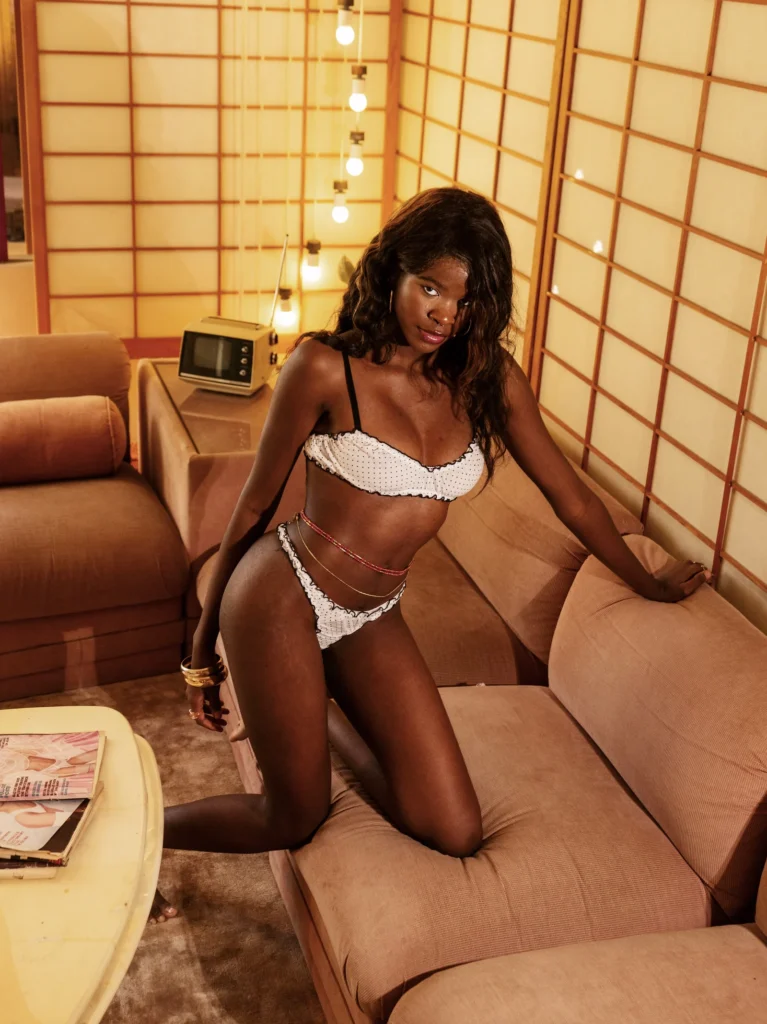
Dyke Queen is the creation of Mariella Faura, a self-taught designer, full-time student, and proudly self-described “diva dyke” born and raised in Los Angeles. The brand, which offers feminine clothing and intimates including lingerie and tees made from 100% cotton, is built on a foundation of community.
From photography to manufacturing, Dyke Queen has been constructed alongside a network of female and queer creatives, sourcing deadstock fabrics and using biodegradable packaging, all within the LA ecosystem.
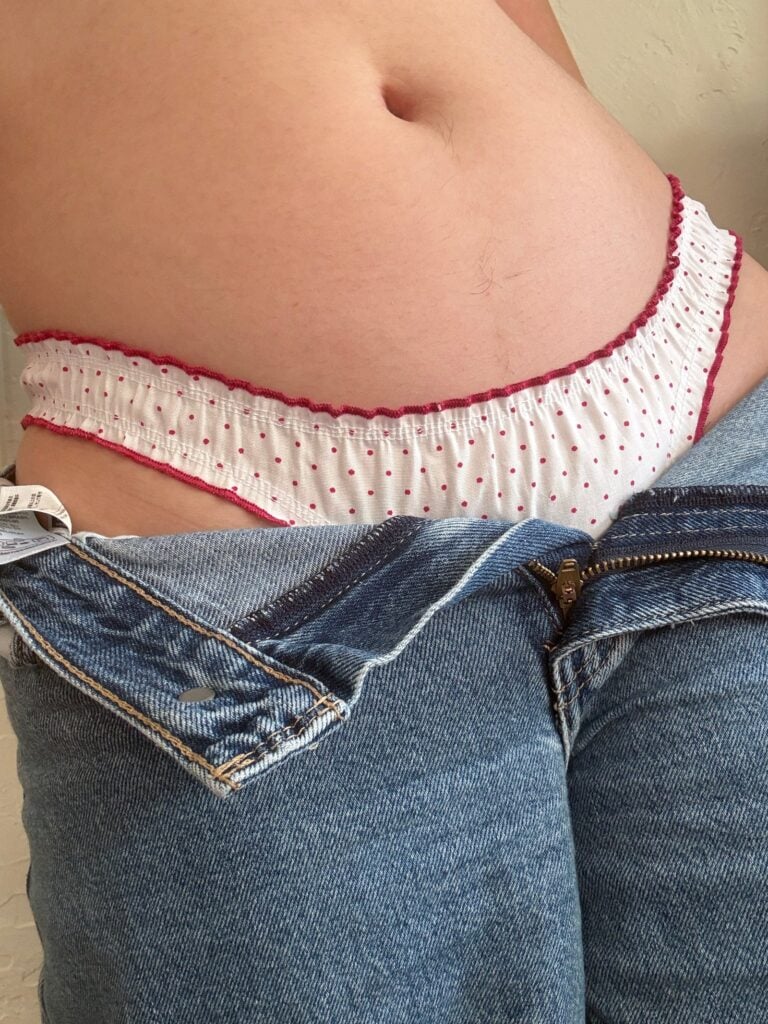
What sets Dyke Queen apart aesthetically is Faura’s deliberate look backward in order to move forward. The brand’s designs draw inspiration from the lesbian and gay rights movements of the 1960s, ’70s, and ’80s, movements that produced bold, unapologetic visual language at a time when being visible at all was an act of resistance. Faura’s chosen medium? Screen printing, a nod to the grassroots printed materials that defined those decades of activism. In an era of algorithm-chasing and mass production, that’s a meaningful commitment to craft and lineage.
It’s worth pausing on the name itself, because Faura did. Choosing to name a brand “Dyke Queen” wasn’t a casual decision. The word “dyke” still carries cultural weight, charged, reclaimed, and contested depending on who’s using it and in what context. Even finding models to wear the clothes in the early days of the brand was a challenge, with potential collaborators hesitant to engage with the word’s loaded history.
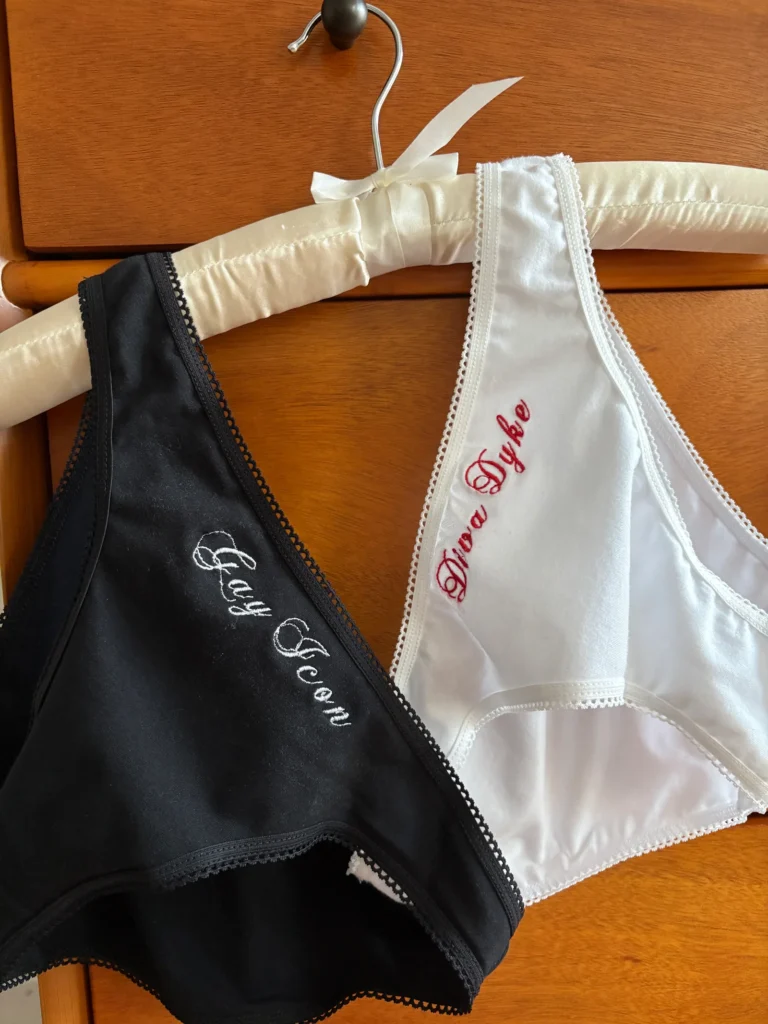
But that’s exactly the reclamation Faura was after. “These days a lot of people use the word dyke and own clothing with it on,” she has noted. “That’s reclamation and revolution in a really special way.”
The timing of Dyke Queen’s intimates push couldn’t be more pointed. In 2026, the mainstream lingerie market is finally being forced to reckon with how narrowly it has defined its customer. Brands are broadening size ranges and experimenting with gender-inclusive marketing, but for queer women, particularly femmes who love feminine aesthetics but want those aesthetics to carry their own identity rather than perform for someone else’s consumption, the gap remains wide.
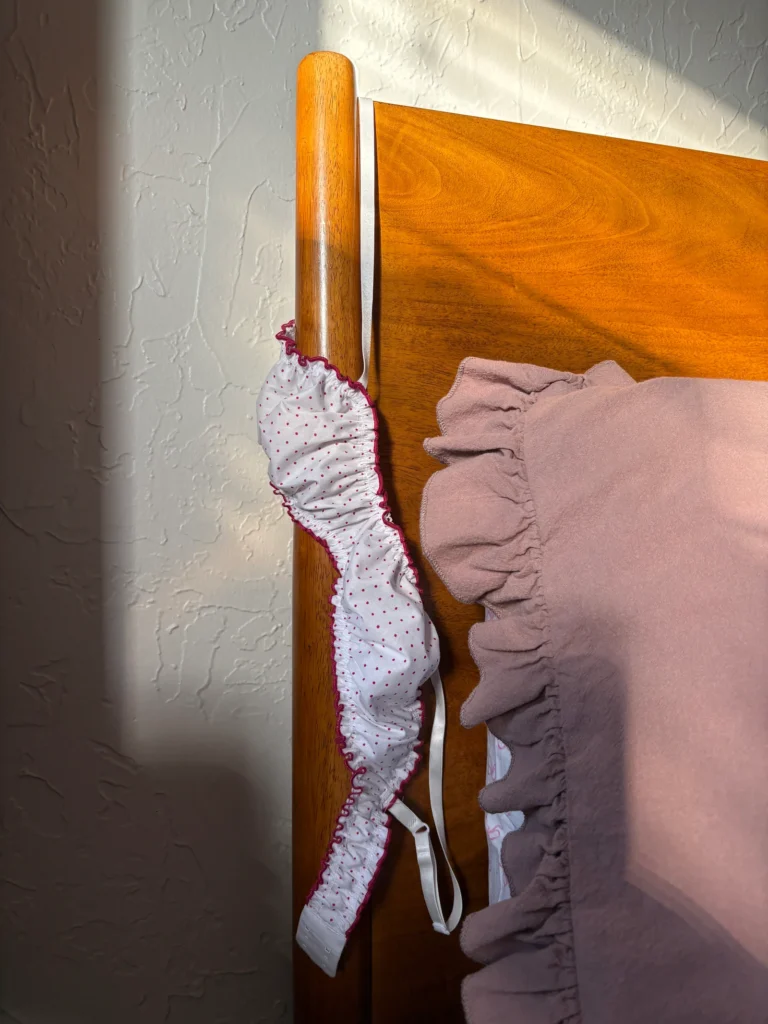
What brands like Woxer and TomboyX have done for gender-neutral and masculine-leaning queer underwear, Dyke Queen is positioning itself to do for the feminine end of the queer women’s market: create something unambiguously for us, without the heteronormative packaging.
The intimates market itself is also ripe for this moment. Lingerie trends in 2026 are moving toward what industry observers are calling more intentional intimacy with expressive color, comfort-forward silhouettes, and designs that celebrate the wearer rather than perform for an imagined audience. That’s not a trend Dyke Queen is chasing. It’s the space Dyke Queen was already living in.
The revolution, it turns out, comes in 100% cotton. And it ships in biodegradable packaging from LA.