For decades, the story of the Stonewall Uprising was preserved not in textbooks or national archives, but in the whispered memories of those who lived it and the grassroots efforts of a community refusing to be forgotten.
To travel as a queer person has historically meant navigating a world of silences, that’s why I founded EveryQueer. I was searching for safe spaces while bracing for the erasure of our narratives from the very destinations we love to visit.
However, the opening of the Stonewall National Monument Visitor Center (SNMVC) at 51 Christopher Street marks a seismic shift in the landscape of global queer visibility. As the first LGBTQ+ visitor center within the U.S. National Park System, it is more than a museum, it is a permanent reclamation of space led by visionary queer women.
By documenting a legacy that was once targets for censorship and police raids, the SNMVC, supported by inclusive travel leaders like Booking.com through their Travel Proud initiative, transforms the act of queer travel into an act of resistance.
Meet the Lesbians of Stonewall
Together, these forces are proving that when we invest in our history, we ensure that our presence is no longer a footnote, but a permanent, protected, and celebrated part of the human journey.
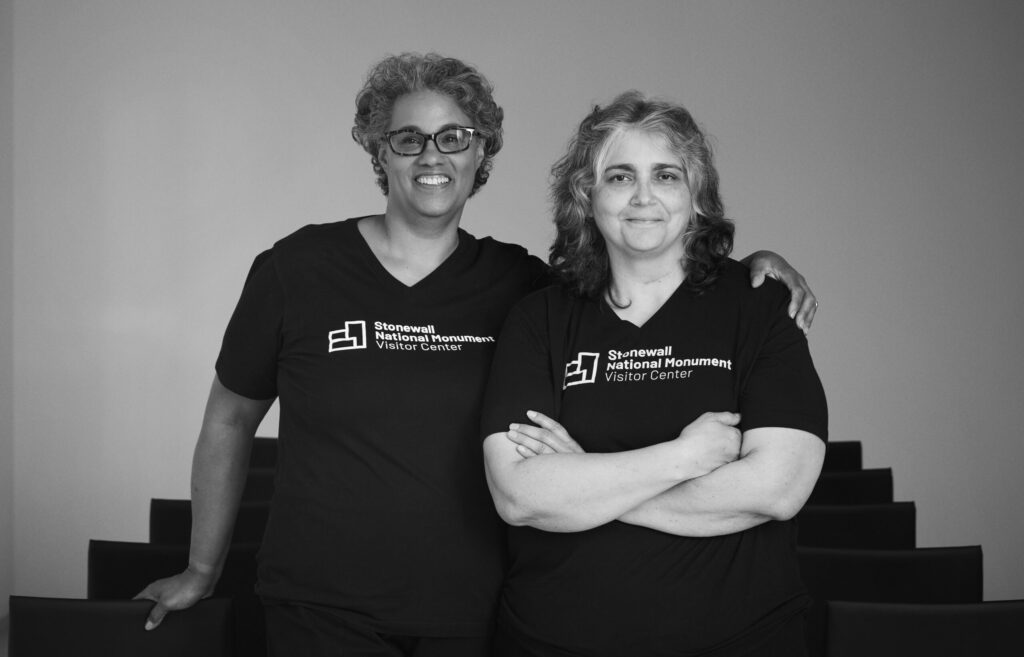
At the heart of this historic milestone is Pride Live, the social advocacy organization that spearheaded the decade-long journey to bring the visitor center to life. While the Stonewall legacy belongs to the entire community, the SNMVC’s existence is a testament to the tenacity of queer women who refused to let this narrative remain in the shadows.
Co-founders Diana Rodriguez and Ann Marie Gothard recognized that without a dedicated, permanent physical space, the nuances of the 1969 uprising, and the diverse intersectional voices that fueled it, risked being diluted by time or sanitized by mainstream retellings.
Rodriguez, a powerhouse in queer advocacy, navigated years of complex negotiations with the National Park Service to ensure that 51 Christopher Street would offer more than just a plaque on a wall. Her leadership, alongside a board of visionary queer activists, ensured that the center would be a living breathing resource, providing 2,100 square feet of immersive education.
By securing this foothold within the federal park system, these women have effectively “queered” the American national identity, ensuring that future generations of travelers don’t just hear about Stonewall, but step into a sanctuary built by those who understand the weight of its history.
Combating Queer Censorship & Erasure
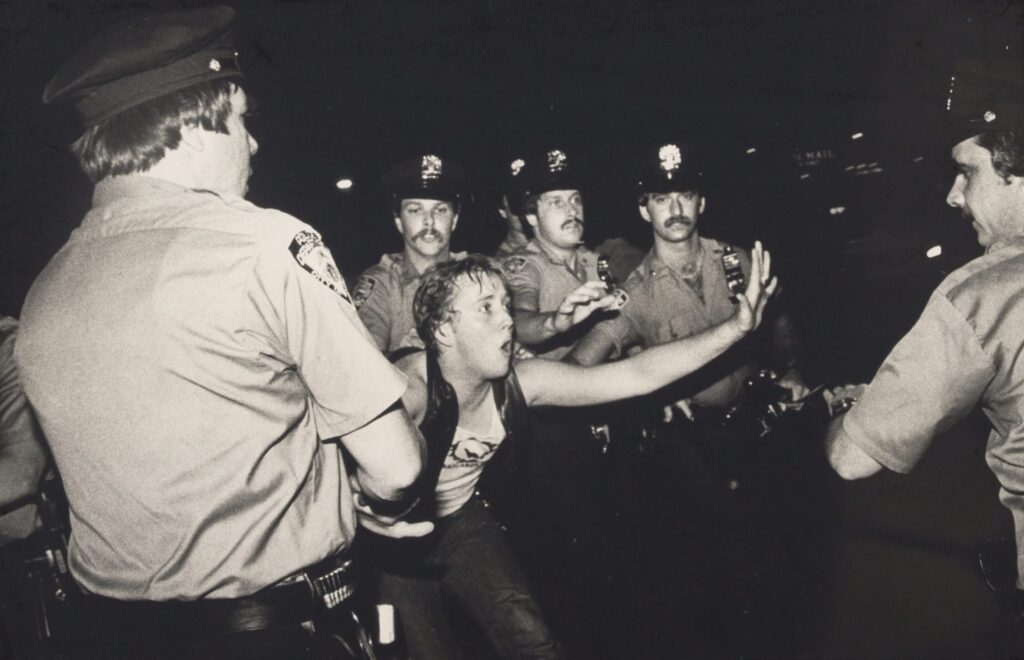
Queer representation is a luxury the community is rarely afforded. From the McCarthy-era “Lavender Scare,” which purged LGBTQ+ individuals from government service, to the rigid censorship of the Hays Code in cinema and the Comstock Laws in literature, queer stories were legally classified as “obscene.” This was not just a suppression of art; it was a strategic erasure of identity.
Even after the 1969 uprising, queer narratives faced a “second silencing” in classrooms and historical archives, where the contributions of trans women of color and lesbians were often scrubbed to make the movement more “palatable” for a heteronormative gaze.
This history of censorship created a profound sense of “geographic displacement” for queer people, it’s a feeling of being a ghost in a world that refused to acknowledge your community’s footprints.
The SNMVC stands as the ultimate antidote to this legacy of silence. By embedding LGBTQ+ history into the National Park Service, the same system that protects the Grand Canyon and the Lincoln Memorial, the center makes our history “uncensorable.”
It transforms Stonewall into a fortress of facts, where virtual tours, lecture series, and visual arts displays provide a multifaceted learning experience that cannot be easily swept away by shifting political tides.
This official recognition serves as a global beacon, it tells the traveler that their history is not a subculture to be hidden, but a foundational chapter of the human story. They are ending the era of queer invisibility and ensuring that our rebellion is recorded in the permanent ink of national identity.
Booking.com’s Queer Impact
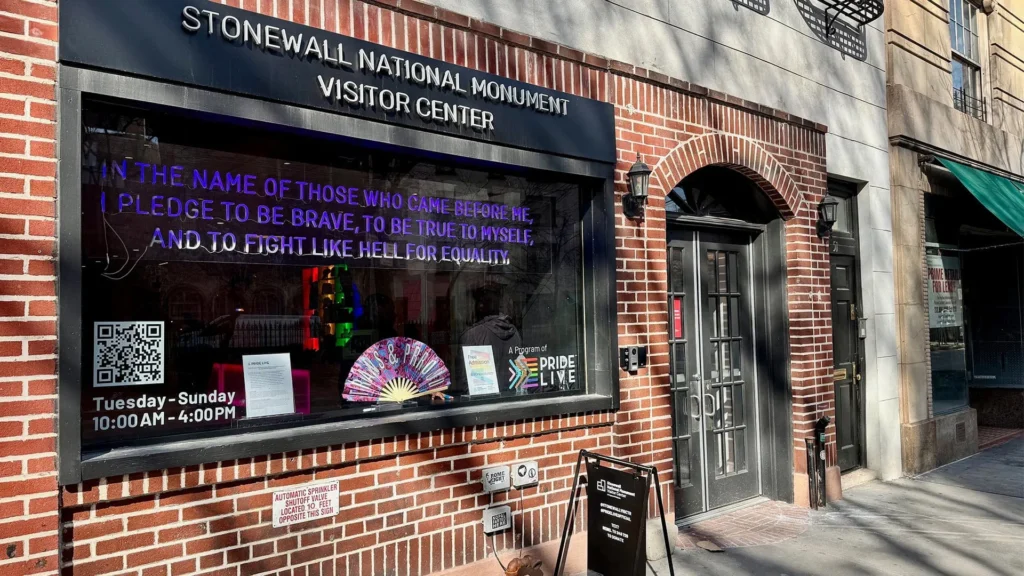
The transition from a historic site to a welcoming travel experience requires more than just a monument, it requires a shift in the global hospitality industry. This is where Booking.com steps in, transforming from a simple reservation platform into a vital ally for the queer community.
As a Founding Partner of the SNMVC, Booking.com hasn’t just lent its name to the cause, it has literally built a space for these stories to be told through the Booking.com Theater. Here, original programming and digital exhibits showcase the diverse lived experiences of LGBTQ+ travelers, ensuring that the spirit of the 1969 rebellion is linked directly to the journeys we take today.
Crucially, Booking.com recognizes that the anxiety of “the check-in” at hotels, a moment where many queer travelers feel forced to self-censor or hide their identities, remains a significant barrier. To combat this, their Travel Proud initiative serves as a logistical extension of the Stonewall mission.
By providing free, evidence-based LGBTQ+ inclusivity training to over 100,000 properties worldwide, the program ensures that when a traveler leaves the hallowed halls of the visitor center to head to their hotel, they don’t have to leave their authentic selves behind.
Whether it’s ensuring staff use inclusive language or honoring a guest’s chosen pronouns, the “Travel Proud” badge on a listing acts as a modern-day “green book” for the community. It signals that the property is not just a place to sleep, but a partner in the ongoing work of visibility, allowing us to travel not as ghosts of history, but as celebrated participants in the present.