Every few years, somebody publishes a think piece asking whether women directors are finally “having a moment.” We’re not going to do that here, because moments end and this isn’t one. What’s happening right now, in the back half of 2026, is more like a cluster: a handful of queer keep circling back to the same messy, funny, unresolved questions about identity that the rest of us are also asking, are making some of the most talked-about film, TV, and theater of the year. Here’s who’s doing it and why it matters.
Hayley Kiyoko finally got behind the camera
You know Hayley Kiyoko as “lesbian Jesus,” the nickname her fans gave her years ago for being one of the first pop stars to write and perform explicitly, unambiguously sapphic love songs without hedging. She’s engaged to Bachelor alum Becca Tilley, a relationship she’s spoken about publicly and warmly.
This year, Kiyoko made her feature directorial debut with Girls Like Girls, adapting her own 2023 novel (itself named after her breakout 2015 single) into a coming-of-age romance starring Maya da Costa and Myra Molloy. Focus Features released it in theaters June 19.
Kiyoko has described the project as “a love letter to my younger self, a powerful reminder that we all deserve hopeful queer representation,” per Out, and The Hollywood Reporter framed the film as Kiyoko breaking a glass ceiling most people didn’t realize was still up, a musician this closely associated with sapphic pop culture finally getting to direct the coming-of-age story she’d been writing around for a decade.
Jamie Babbit is still the reigning queen of queer joy on screen
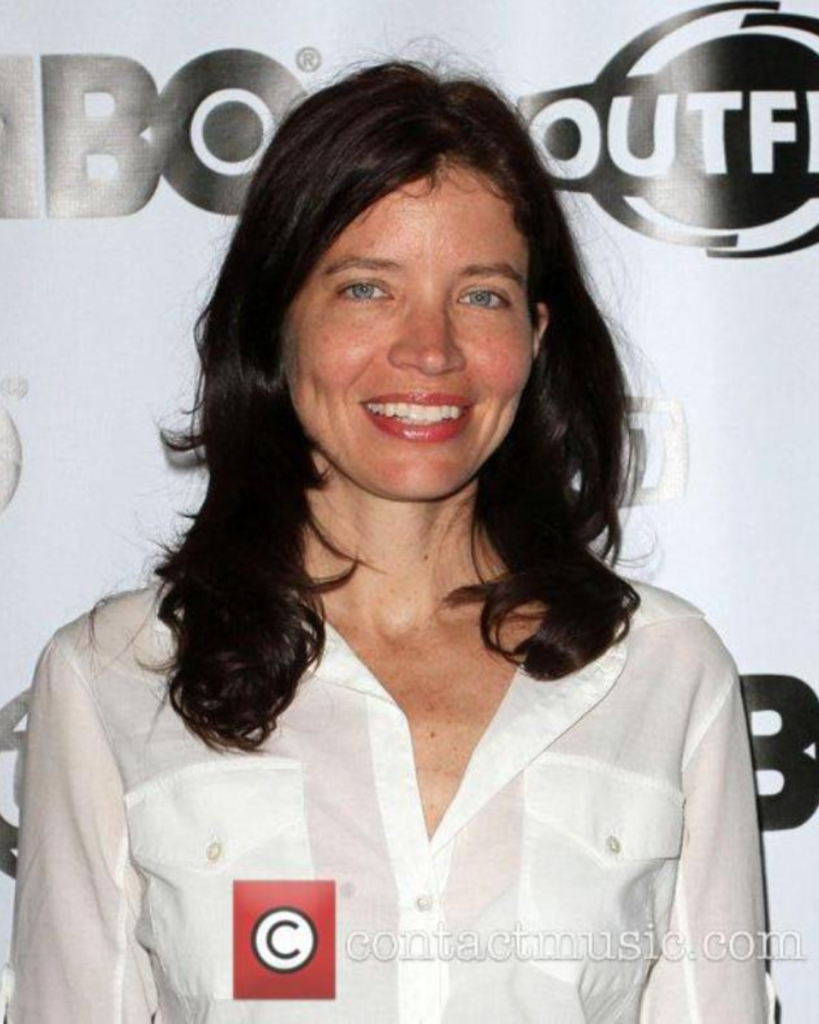
Jamie Babbit has been out as a lesbian since long before it was industry-safe to be, and her filmography proves it: she directed the cult classic But I’m a Cheerleader, a satire of gay conversion camps starring Natasha Lyonne, back in 1999, and has spent the decades since building one of the most prolific TV directing careers in the business, including episodes of Gilmore Girls, The L Word, and Only Murders in the Building.
Most recently, per CBR, she directed for A League of Their Own, and she’s now wrapped production on the sequel to Red, White & Royal Blue, set to premiere in early 2027. Barnard College, her alma mater, recently profiled her under the headline “the art of queer joy,” which is about as accurate a one-line summary of her career as you’ll find.
Angela Robinson has been quietly running things for two decades
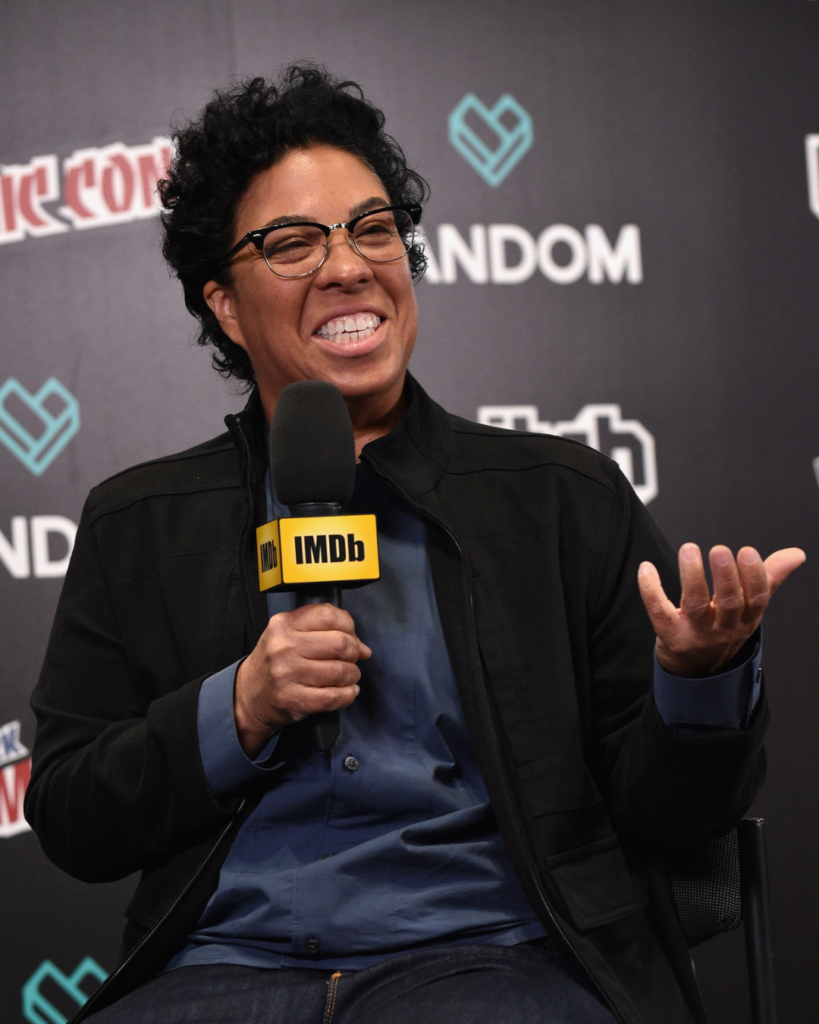
If you’ve watched genre TV in the last twenty years, you’ve seen Angela Robinson’s work without necessarily clocking her name. She’s an out lesbian who’s directed episodes of The L Word, True Blood, How to Get Away with Murder, and Netflix’s Wednesday.
In addition to writing and directing her own features, including the cult favorite D.E.B.S., the early-2000s series Girltrash!, and 2017’s Professor Marston and the Wonder Women, a biopic about the polyamorous throuple behind the creation of Wonder Woman.
Robinson lives in Los Feliz with her partner, writer and director Alex Martinez Kondracke, and their son. Her body of work is a master class in slipping explicitly queer sensibilities into genre television that a mainstream audience will watch without ever clocking it as “a queer show,” which is its own kind of infiltration.
Desiree Akhavan keeps working both sides of the camera
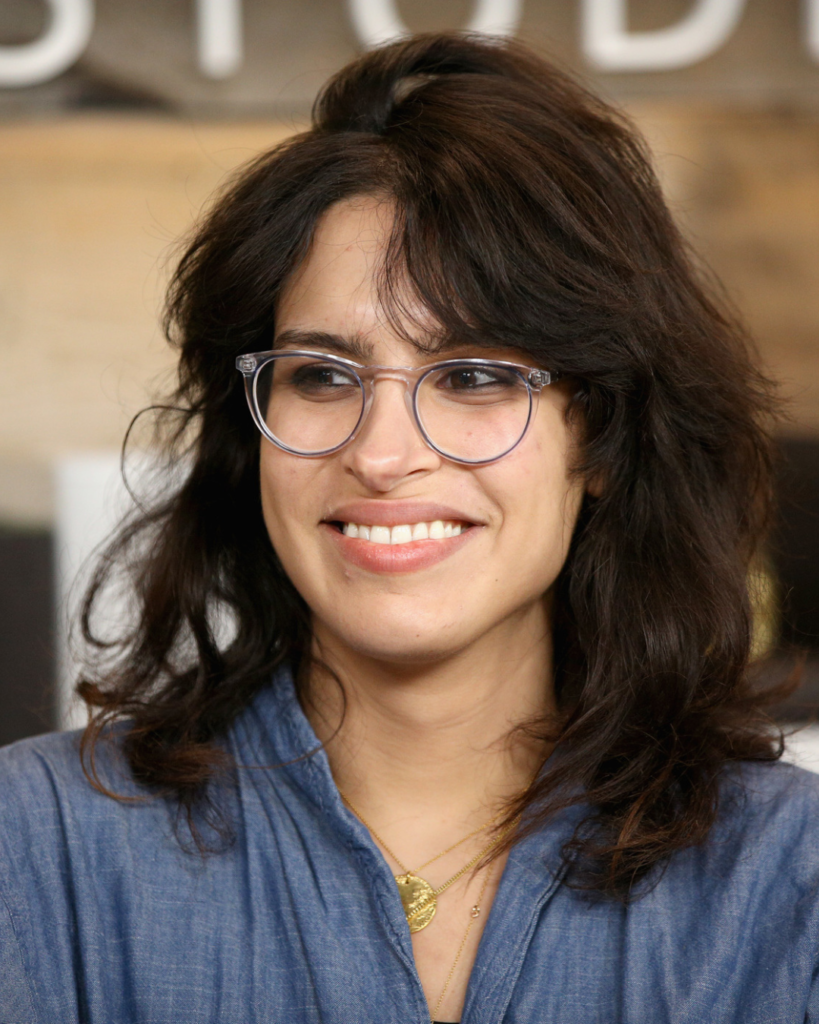
Desiree Akhavan, who is bisexual and has been open about it since her earliest work (her 2018 Hulu series was literally titled The Bisexual), remains one of the most consistently interesting queer filmmakers working today.
She broke out with Appropriate Behavior in 2014 and won the Sundance Grand Jury Prize for The Miseducation of Cameron Post in 2018. More recently, she’s been directing episodes of Amazon’s Overcompensating, Benito Skinner’s college comedy series, and per Paper, she has a feature in the works shot in Greece with BBC Film.
Akhavan has always been candid about the specific, sometimes uncomfortable texture of bisexual representation, refusing to smooth her characters into either straight-passing or fully “gay enough” narratives, and that refusal is still what makes her work distinct.
Why this list looks different from the usual one
Kiyoko, Babbit, Robinson, and Akhavan aren’t making work that just touches on queerness — they’re out, they’re queer women, and they’re doing it while running sets, closing studio deals, and building the kind of career longevity that used to be reserved for people willing to stay closeted.
None of them are new to this. What’s new is the budget and the distribution: a Focus Features theatrical release, an entire streaming franchise sequel. Say that part out loud too.