Miss Major Griffin-Gracy was a pioneering Black trans activist, a Stonewall veteran, and a tireless advocate for incarcerated trans women, sex workers, and people living with HIV/AIDS. For more than five decades, she stood at the frontlines of queer liberation, fighting not just for visibility but for survival, dignity, and care. To generations of trans people, she was a mentor, a mother figure, and proof that queer history has always been built by those at the margins.
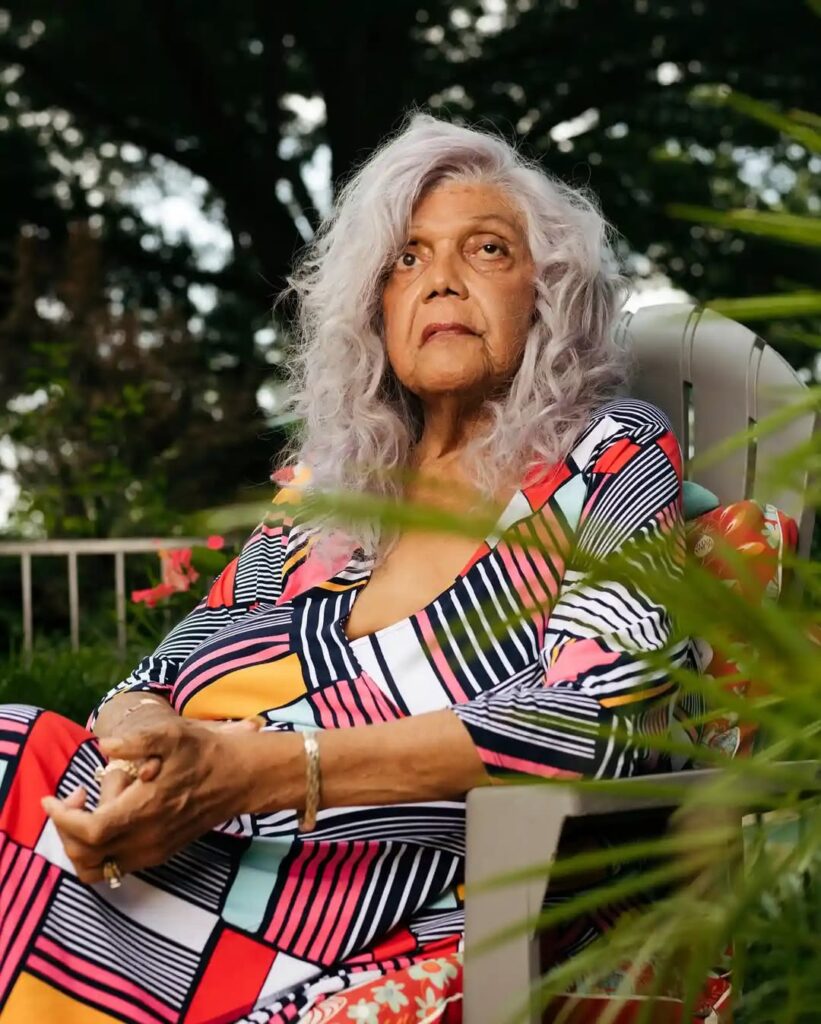
This week, the House of GG, the retreat and educational center she founded in Arkansas, announced that Miss Major passed away “in the comfort of her home, surrounded by loved ones in Little Rock.” She was 78. The statement honored her “resilience, activism, and dedication to creating safe spaces for Black trans communities and all trans people,” and tributes have poured in from around the world. One mourner described her simply as a “true pioneer and tireless advocate for the LGBTQ+ community.”
A Life of Defiance and Care
Born in Chicago on October 25, 1946, Miss Major knew her true gender from an early age. She graduated high school at 16, but her college years were cut short when she was expelled for owning women’s clothing. By the early 1960s she had moved to New York City, working in a hospital morgue and performing in drag shows, including at the Apollo Theater. In 1969, she was present at the Stonewall uprising, a moment that would come to symbolize queer resistance worldwide, though she often reminded younger activists that it was trans women, sex workers, and street youth who made that history possible.
Her political awakening deepened after a stint in prison, where she befriended Attica survivor Frank “Big Black” Smith, who helped shape her radical vision. Those experiences fueled a lifelong commitment to advocating for incarcerated trans women and building support networks that met people’s immediate needs. In San Francisco, she served as executive director of the Transgender Gender Variant & Intersex Justice Project (TGIJP), visiting prisons, mentoring women inside, and working for systemic change. She was also on the frontlines during the HIV/AIDS crisis, offering compassion and care in the absence of institutional support.
Building Spaces for Healing
In 2019, Miss Major established the House of GG in Arkansas, later known as The Oasis, a retreat and educational space for trans and gender-diverse people,especially from the South. It was designed not as a political headquarters but as a sanctuary, where rest, healing, and community could be prioritized alongside organizing.
She is survived by her long-time partner, Beck Witt; her sons Asaiah, Christopher, and Jonathon; her many daughters and mentees, including Janetta Johnson of TGIJP; her sisters Tracie O’Brien and Billie Cooper; and countless community members shaped by her mentorship and love.
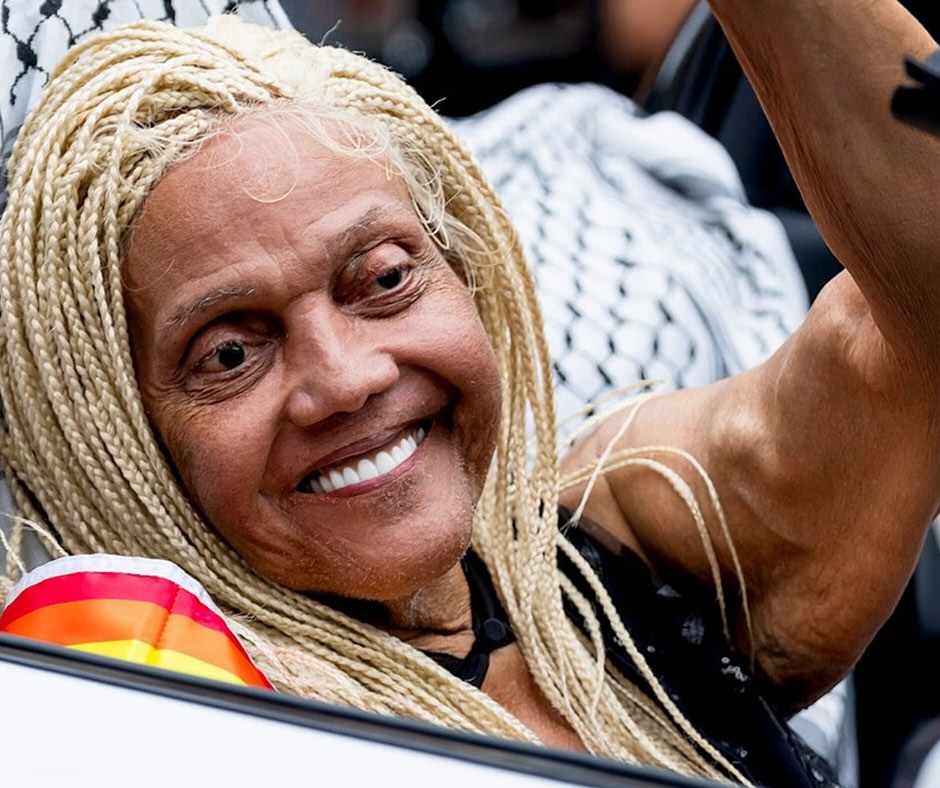
Why Her Legacy Matters Now
Miss Major’s passing comes at a moment of escalating hostility toward trans communities, especially Black trans women. Remembering her life means more than mourning, it means recommitting to the work she carried for decades. She often insisted that queer liberation could not be real if it excluded those most criminalized, marginalized, and forgotten.
For those who didn’t know her name until now, this is a chance to learn queer history and to understand that the freedoms we enjoy were carved out by people like Miss Major, often at great personal cost. For those who loved her and carried her teachings, it is a reminder to keep building spaces of care, joy, and resistance.
Rest in power, Miss Major. May your spirit continue to guide us, and may your work find new hands and new hearts in the generations to come.