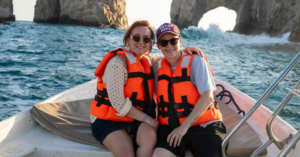
Hi, I’m Meg, and I’m on a personal mission to see every lesbian bar left in the world. It’s a journey that takes me to vibrant corners and hidden gems, each one a testament to queer resilience and community. My latest stop brought me to the heart of Santiago, Chile, to a place that is more than just a bar; it’s a living monument to social change and radical inclusivity: Chueca Bar.
Opened in November 2019, Chueca Bar’s genesis is intrinsically linked to a pivotal moment in Chilean history. Just days after its inauguration, Chile erupted in widespread social unrest. What began as student protests against a subway fare hike in Santiago swiftly escalated into a nationwide uprising. This was no mere demonstration; it was a profound societal outcry, fueled by deep-seated grievances over socioeconomic inequality, demands for political reform, and the lingering shadows of the Pinochet dictatorship. Students, workers, and citizens from all walks of life united, calling for a new constitution and sweeping social and political transformations.
It was into this fiery crucible of change that Chueca Bar emerged, promising to be a new feminist refuge, primarily aimed at a public of women and dissidents. Its very existence, born from a period of profound upheaval, imbued it with an immediate sense of purpose and a profound connection to the streets where demonstrations unfolded daily. In a city grappling with its identity and fighting for its future, Chueca Bar quickly transformed into a safe space, a sanctuary where all “les chueques”—a Chilean term for queer individuals, a term they’ve proudly embraced—could meet, belong, and feel seen.
Behind this remarkable establishment are two visionary women: publicist Macarena Cortés and lawyer Carminia Vásquez. Both are active members of the Lesbofeminist Network, a crucial detail that speaks volumes about the bar’s foundational philosophy. Their shared commitment to feminist and queer liberation wasn’t just an afterthought; it was the very blueprint for Chueca. Together, they embarked on a pioneering venture, inaugurating what they proudly call the first feminist and lesbian bar in Santiago. This wasn’t merely a business endeavor; it was an act of political and social creation, carving out a desperately needed space for a community often marginalized and underserved.
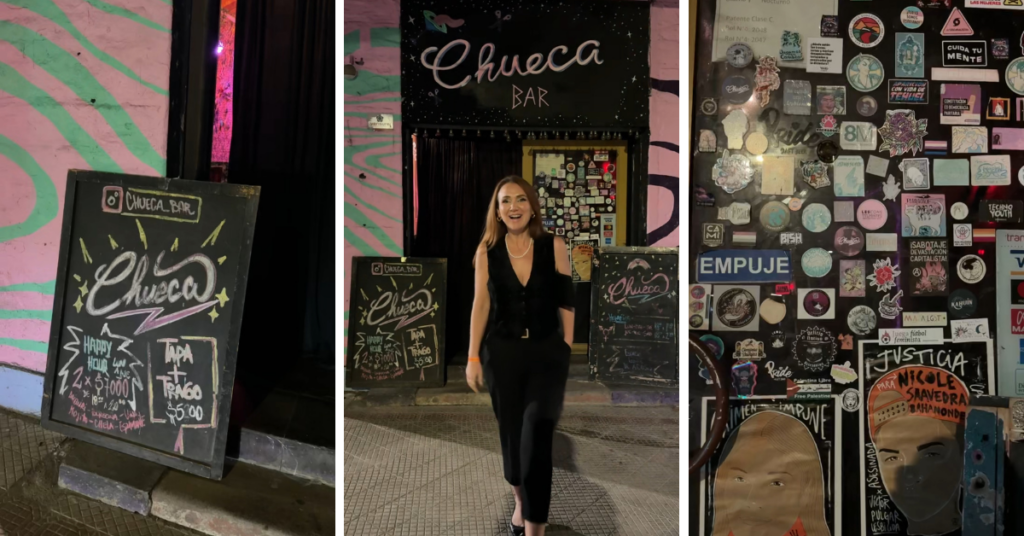
Step inside Chueca Bar, and you are immediately immersed in its intentionally kitsch aesthetic. The decor is a playful yet pointed statement: dolls adorn the walls, while shoes and panties hang whimsically from the ceiling. This distinct style draws inspiration from the vibrant, unapologetically queer bars of Madrid’s Chueca gayborhood, from which the bar takes its name. Yet, the decor is far from superficial. Amidst the lively kitsch, you’ll find intentional nods to the activism that founded the bar, like the prominent display of the Mapuche flag—a powerful symbol of indigenous rights and resistance in Chile. This blend of joyous celebration and profound political consciousness is what truly defines Chueca. It’s a bar with a social conscience, where every detail, from the decor to the drinks, tells a story.
This commitment to inclusivity and social justice extends to every facet of Chueca Bar’s operation. The team behind the bar is composed 100% of women, all of whom are part of the LGBTQ+ community. This dedication to providing opportunities and fostering a safe working environment for queer women is remarkable. Furthermore, Macarena and Carminia make a conscious effort to partner with women-owned businesses, ensuring that most of their suppliers are also women. This holistic approach creates an ecosystem of support, empowerment, and genuine community, solidifying Chueca Bar’s reputation as a truly inclusive haven.
Beyond its powerful mission and vibrant ambiance, Chueca Bar delights the senses with its thoughtful culinary offerings. The menu features a full array of tapas, bar classics, and sandwiches, with prices ranging from an accessible $4 to $11 US dollars. What truly sets it apart, however, is its commitment to sustainability and ethical consumption: an impressive 80% of their menu is vegan. During my visit, which coincided with the day of lesbian visibility in Chile, I indulged in a Chilean classic – a “Completo,” a sausage with avocado and mayo on a roll, deliciously prepared and thoughtfully served. The original menu was crafted by Chef Fran Paz, with a specific emphasis on rescuing and celebrating authentic Chilean products, ensuring that even the food tells a story of local culture and consciousness.
The drink menu at Chueca Bar is equally inviting, designed to complement both conversation and celebration. You can enjoy a refreshing pitcher of sangria for about $17 US, perfect for sharing. Mixed drinks range from $6-$8 US, offering classic and creative concoctions. For those seeking local flavor, Chilean wine is available for around $3.60 a glass, and local beers range from $3-$5. A particularly inspiring detail is their partnership with the Community of Women Brewers (@mujerescerveceras on Instagram), providing exceptional craft beers that not only taste great but also support women in the brewing industry.
Chueca Bar thrives as a dynamic community hub, far beyond being just a place for drinks and food. Their weekly calendar is packed with events designed to foster connection, dialogue, and joy within the queer community. Mondays might feature “Gypsy Curse” nights with tarot reading and palmistry; Tuesdays are for “Singles” with blind dates and drink promotions; Wednesdays embrace “Polyamory” with special deals for groups and engaging bottle games. Thursdays are dedicated to discussions on various topics, including sexuality. Fridays and Saturdays bring lively events like DJ sets, karaoke, and shows, alongside more serious engagements such as workshops on the Chilean constituent process or deeply personal sexuality workshops led by feminist lawyers like Ali Díaz, fostering open dialogue about self-pleasure and reclaiming one’s body. These events create a space for interaction, learning, and celebration, where visitors feel safe, welcomed, and part of something truly special.
The owners’ commitment to social conscience isn’t just theoretical; it’s practiced daily. In the thick of the social uprising, Chueca Bar served as an actual refuge, offering bathrooms and support to protestors, a stark contrast to many establishments that closed their doors. They shared anecdotes of passersby, even those not part of the queer community, being grateful for a bathroom or a kind word. This ethos embodies their definition of a “chueque”: a person who approaches feminism, questions themselves, is tolerant, non-discriminatory, and possesses a strong social conscience. It’s a bar that is “under construction,” constantly striving to be as feminist and supportive as possible, even attending to protestors injured by pellets.

My visit to Chueca Bar wasn’t just another stop on my mission; it was a profound experience. It’s a place that transcends the traditional concept of a bar, embodying a powerful blend of activism, community, and radical hospitality. Chueca Bar stands as a vibrant testament to the power of intentional spaces, proving that a bar can indeed be a beacon of hope, a catalyst for conversation, and a vital refuge for those seeking community and liberation. It’s a must-visit for anyone who believes in the transformative power of queer spaces.