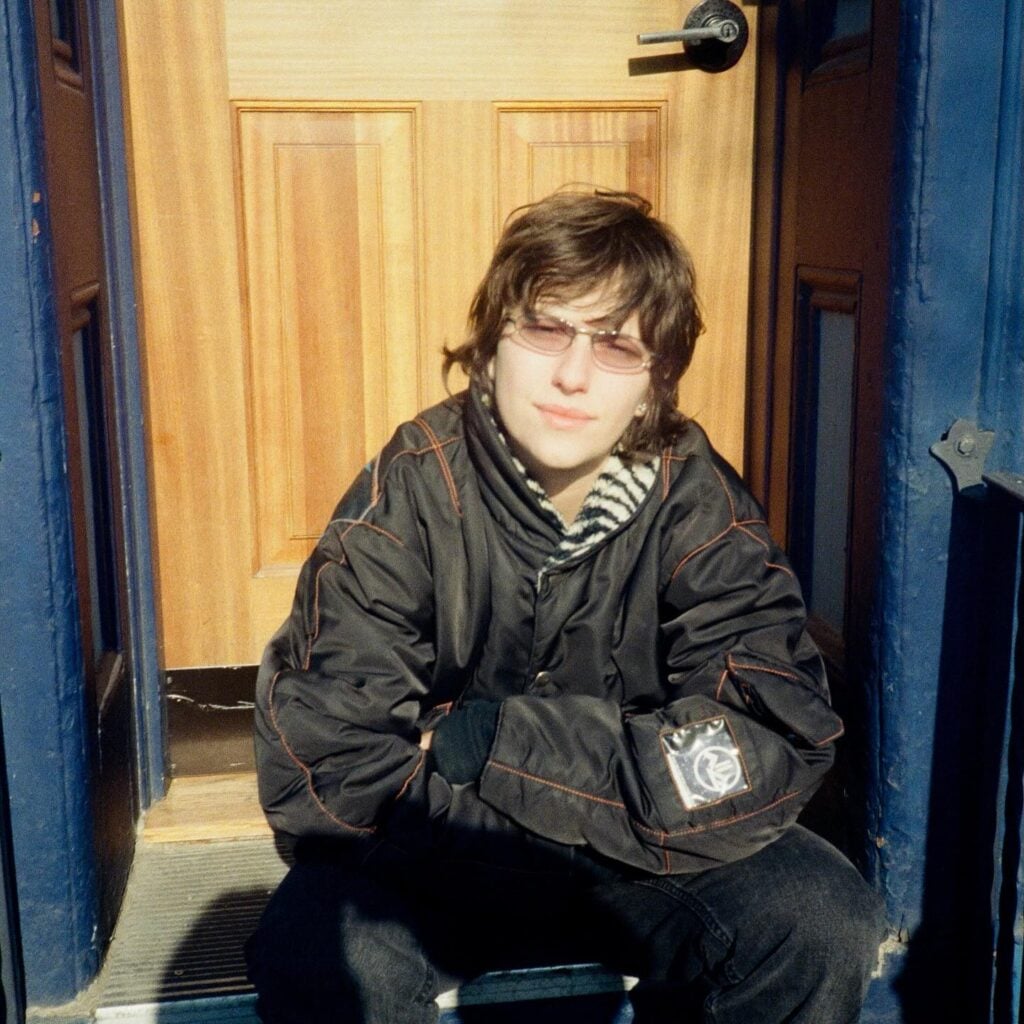
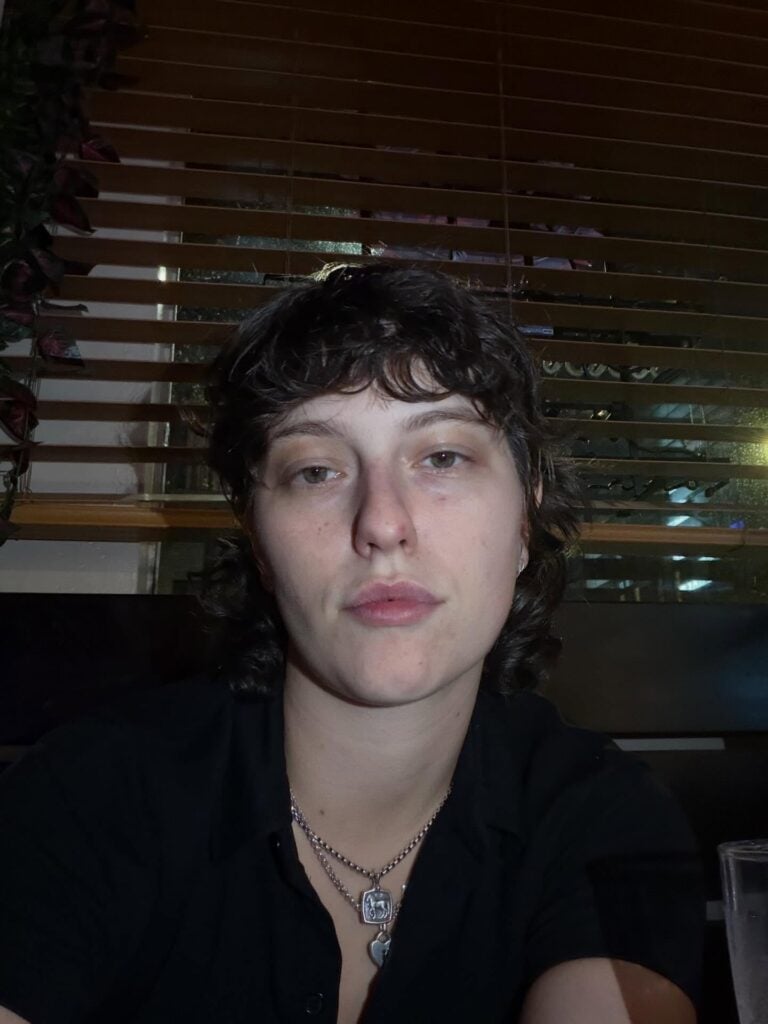
King Princess is set to make her stage debut as Lisa in Girl, Interrupted, the new production at The Public Theater, with original music by Aimee Mann. Based on Susanna Kaysen’s memoir, the adaptation brings a familiar story back into focus, with performances beginning in May 2026 and running through June.
On the surface, it’s a straightforward update: a well-known artist stepping into an iconic role as part of a new stage production. But for many queer audiences, the casting doesn’t feel random or even particularly surprising. It feels like something that was already there, now coming into clearer view.
A Story That Has Always Resonated Beyond Labels
Girl, Interrupted has never needed to be defined by any one lens to leave an impression. At its core, it’s a story about identity under pressure about being observed more than understood, and about trying to make sense of yourself in an environment that has already decided who you are. It’s also a story about connection, particularly the kind that forms in confined spaces, where relationships can become intense, complicated, and difficult to fully explain.
Those themes are widely relatable, but they’ve long held a specific kind of resonance for queer audiences. Not because the story is explicitly queer, but because it reflects something familiar: the experience of existing outside expectation, of navigating identity in real time, and of finding recognition in people who don’t quite fit either. For many, that connection has always lived just under the surface felt more than stated, but no less real because of it.
Why King Princess Feels Like an Aligned Choice
That context is part of why King Princess stepping into the role of Lisa feels so aligned. Her work as an artist has consistently leaned into emotional honesty, often resisting polish in favor of something more direct and exposed. There’s a kind of rawness to how she presents herself, both in her music and publicly, that doesn’t feel manufactured.
Lisa, as a character, has always carried a similar kind of presence magnetic, unpredictable, and difficult to look away from. This casting doesn’t redefine the role so much as it reinforces something that has always been part of it. When an artist whose identity and perspective are openly queer takes on a character that has long resonated with queer audiences, it doesn’t need to be framed as a statement to feel meaningful. The alignment speaks for itself.
When Subtext Starts to Feel More Visible
For a long time, queer audiences have built relationships with stories that weren’t necessarily created with them in mind. We’ve seen that pattern play out across film, television, games, and even other forms of storytelling. That connection often exists in subtext, in dynamics and emotional undercurrents that resonate without being explicitly named. It’s a way of seeing yourself in a story without being directly reflected in it.
Casting an openly queer artist doesn’t rewrite Girl, Interrupted, but it does subtly shift how it’s received. It makes that underlying sense of recognition easier to acknowledge. Queerness doesn’t have to be extracted from the performance or imagined into it it can simply exist within it, alongside everything else the story is already doing.
It’s not a dramatic change, but it is a noticeable one, and it alters how the story lands for audiences who have been connecting to it this way all along.
Why This Moment Feels Grounded in Place
There’s also something significant about where this production is happening. The Public Theater has long been a space for developing new work and shaping larger cultural conversations. This isn’t an abstract idea of representation circulating online, it’s a real production, in a real venue, in a city that has played a central role in queer cultural life for decades.
That context makes the moment feel more tangible. It’s not just something to read about or interpret from a distance. It’s something that exists in a physical space, available to be experienced, and shaped by the audiences who show up for it.
Aimee Mann and the Emotional Tone of the Story
The involvement of Aimee Mann adds another layer to the production. Known for writing with clarity about isolation, emotional complexity, and the experience of not quite fitting into the world as expected, her work feels naturally aligned with the themes at the center of Girl, Interrupted.
While the structure of the adaptation may differ from previous versions of the story, the tone suggested by her involvement points toward something introspective rather than overly stylized. For a story that has always been driven by interior experience, that consistency matters.
Why This Feels Bigger Than Casting News
None of this changes what Girl, Interrupted is at its core. It remains a story about identity, control, and connection, told through a specific moment and set of characters. But it does speak to something broader about how audiences relate to stories over time.
Queer audiences have long found themselves reflected in narratives that didn’t explicitly name them. What shifts here is not the story itself, but the proximity between the people telling it and the people who have been connecting to it all along.
That doesn’t require a redefinition to feel significant. It simply makes the connection more visible.
And sometimes, that’s enough to change how a story lands.