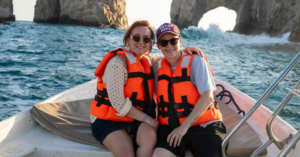
In the span of a single week in March 2026, the queer media landscape experienced a whiplash that has become all too familiar to the LGBTQ+ community. First came the blow, the BBC announced the cancellation of the I Kissed a… franchise, including the groundbreaking I Kissed a Girl (and I Kissed a Boy), citing “funding challenges.” Then came the lifeline: reports surfaced that the dating app Tinder was stepping in to save the brand with a celebrity spin-off titled It Started With a Kiss.
On the surface, this is a story about a reality TV show. But for those in the trenches of queer media, researchers, writers, editors, and creators, this is a watershed moment. It marks the point where traditional broadcasters have effectively admitted they cannot, or will not, sustain niche queer representation, and where private corporations have realized that “saving” our culture is the ultimate marketing play.
The BBC and the Fragility of Progress
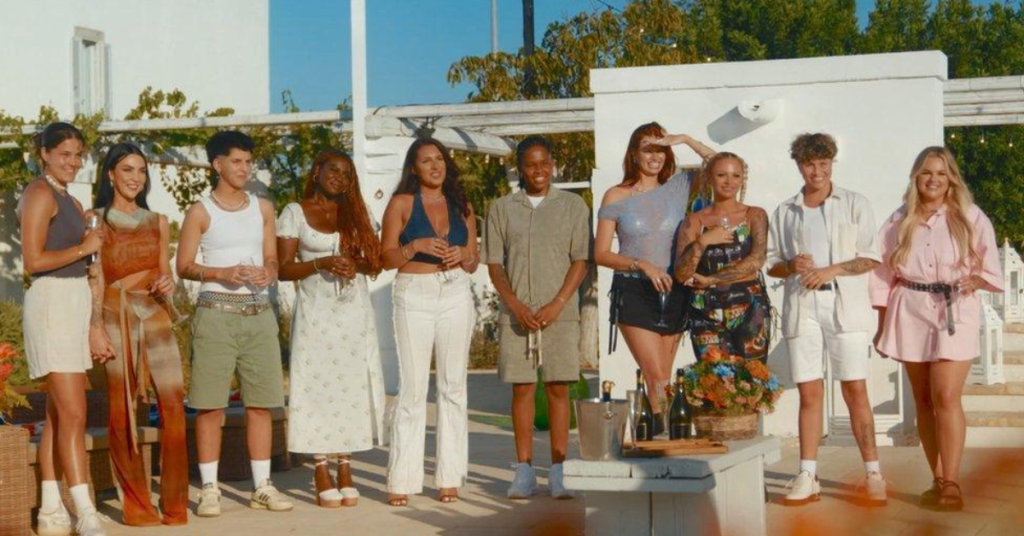
The cancellation of I Kissed a Girl was more than a scheduling change; it was a cultural regression. As DIVA Magazine poignantly noted, the show provided the first “Molly Mae” moment for the sapphic community. It allowed queer women and non-binary people to see themselves in the “trashy-but-tender” reality TV format that has been a staple of straight culture for decades.
However, the BBC’s “funding challenges” highlight a grim reality. When budgets tighten, “niche” content is the first to go. Despite the franchise being the UK’s first-ever all-gay dating show and garnering massive social media engagement, it was deemed a luxury the broadcaster could no longer afford.
This follows a broader trend identified by GLAAD, which found that 20% of queer characters on television are disappearing due to cancellations. In a climate where the far-right is increasingly vocal, the disappearance of these stories feels less like a coincidence and more like a retreat.
Enter the Corporate Savior…?
The reported rescue of the series by Tinder, in collaboration with production company Twofour, changes the game. According to reports from Attitude and Nonchalant Magazine, the new iteration, It Started With a Kiss, will bypass traditional airwaves entirely. Hosted by Charley Marlowe, the show is slated to air directly on the Tinder app, as well as YouTube and Instagram.
This is a masterstroke of brand positioning. For Tinder, this isn’t just an advertisement; it is utility-driven content. Tinder exists to facilitate connections; I Kissed a Girl celebrates them.
By funding the production, Tinder isn’t just buying a 30-second spot during a commercial break; they are owning the entire conversation. They are moving from being a “supporter” of the community to being the “platform” that ensures the community’s stories continue to be told.
Are Brands the Last Line of Defense?
We are entering an era where brands are becoming the last line of defense against queer media erasure. As traditional media outlets, constrained by conservative boards or dwindling public funds play it safe, brands with specific interests in the LGBTQ+ demographic are finding they can achieve higher loyalty by filling the void.
This Tinder Model offers three major lessons for the future of queer media:
The Death of the Gatekeeper
For decades, queer creators have pitched to rooms of people who didn’t understand our “slang, values, or vibes” (as DIVA put it). By partnering directly with a brand, the “I Kissed…” team has bypassed the need for a traditional network’s approval. The brand becomes the studio.
Hyper-Alignment
Tinder’s involvement feels organic because the product and the content share a DNA. This is the future of “Smart Analysis” for brands. Don’t just put a rainbow on your product in June, fund the story telling in the form of a documentary, a reality show, or a newsroom that serves the people who use your product.
The Creation of Ecosystems
By saving the show, Tinder is also saving the careers of queer presenters like Charley Marlowe and the visibility of the “sapphic royalty” that emerges from these shows. They are investing in the influencers they will later partner with for future campaigns.
The Risks of Brand-Owned Media
While the Tinder rescue is a win, it does raise questions about the future of editorial independence. If brands become the primary funders of queer media, does that media then have to serve the brand’s interests above the community’s? If a show lives on an app, is it still “public service”?
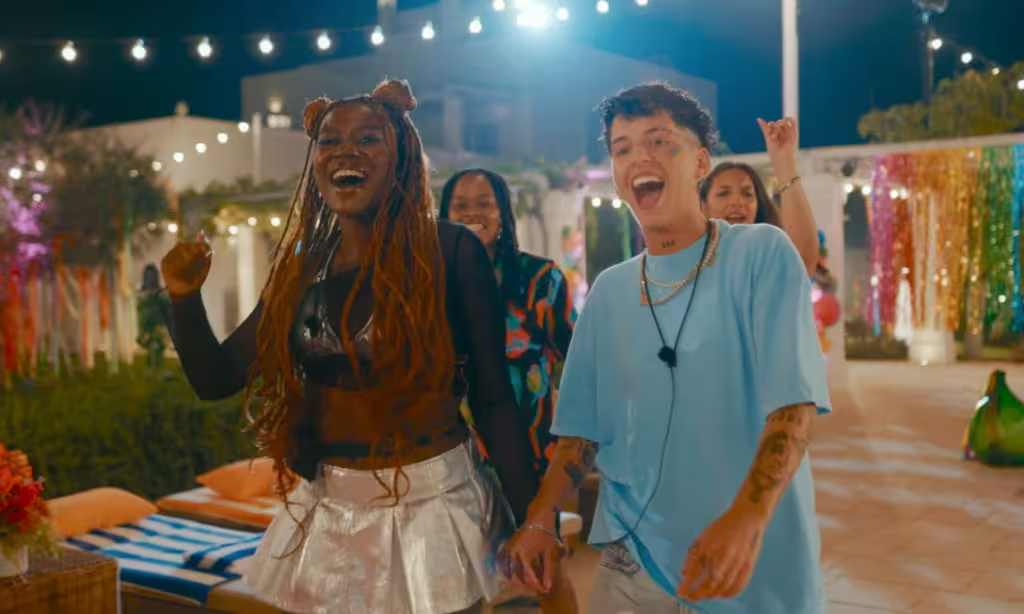
However, when the alternative is total erasure, the community is clearly choosing the brand. The euphoria felt on social media following the news that the franchise might live on suggests that queer audiences are more than happy to trade the BBC iPlayer for the Tinder app, provided the stories remain authentic.
For the EveryQueer Editorial Team, the message is clear: the future of queer media is decentralized. We are moving away from the era of “asking for permission” from major networks.
Tinder saving I Kissed a Girl is a signal to every other major brand with a queer customer base. If you want our loyalty, you must protect our stories. Brands are no longer just sponsors; they are the new broadcasters. And in a world where our visibility is under threat, this corporate intervention might just be the thing that keeps the “sapphic renaissance” alive.
The BBC might have turned out the lights, but Tinder just handed us a spotlight. It’s time we learned how to use it.